Introduction: Small Spaces, Big Possibilities
Living in a small space doesn’t mean sacrificing style, comfort, or functionality. In fact, small living rooms present unique opportunities for creative design solutions that maximize every square inch. Whether you’re furnishing a studio apartment, working with a compact urban dwelling, or simply dealing with less-than-spacious dimensions, this comprehensive guide will show you how to transform your small living room ideas into a stylish, functional haven that feels surprisingly spacious.
The average small living room ranges from 100 to 200 square feet, yet with smart design strategies, proper furniture selection, and clever visual tricks, these compact spaces can feel open, inviting, and perfectly proportioned. This guide explores proven techniques that interior designers use to maximize the space in small living rooms, from strategic furniture placement to color choices that expand visual boundaries. You’ll discover that small living rooms aren’t limitations—they’re opportunities to create intimate, efficient, and beautifully designed spaces that reflect your personal style.
Understanding Your Small Living Room: Assessment and Planning
Measure Twice, Design Once
Before purchasing a single piece of furniture or making any design decisions, accurate measurements are absolutely critical in small spaces where every inch matters.
Create a Detailed Floor Plan: Measure your room’s length, width, and ceiling height precisely. Note the locations of windows, doors (and their swing direction), electrical outlets, heating vents, radiators, and any architectural features. Use graph paper or free digital tools like RoomSketcher, Floorplanner, or MagicPlan to create scale drawings. This visual reference prevents costly mistakes and helps you experiment with different layouts before moving heavy furniture.
Identify Traffic Patterns: In small living rooms, efficient traffic flow becomes even more important. Observe how you naturally move through the space. Where do you enter? Where do you need to go? Maintain at least 24-30 inches for walkways—slightly narrower than standard recommendations but workable in tight spaces. Avoid furniture arrangements that force awkward navigation or create bottlenecks.
Assess Natural Light: Light dramatically affects how spacious rooms feel. South-facing rooms with abundant natural light can handle darker colors and heavier furniture. North-facing or basement living rooms with limited light need lighter, brighter design approaches to avoid feeling cave-like. Map where sunlight enters throughout the day to optimize furniture placement and window treatment choices.
Recognize Fixed Elements: Identify features you cannot change—windows, doors, radiators, built-in shelving, fireplaces. These fixed elements must be incorporated into your design rather than fought against. Sometimes perceived limitations become unique character-adding features that set your space apart.
Define Your Priorities
Small living rooms often need to serve multiple purposes. Identifying your top priorities guides furniture selection and layout decisions.
Primary Function Clarity: Will your living room primarily serve as a relaxation zone, entertainment hub, work-from-home office, or multi-purpose space? A room centered on TV watching requires different furniture than one focused on conversation or remote work. Being honest about actual usage prevents designing for an imaginary lifestyle that doesn’t match reality.
Must-Have Features: List non-negotiable elements. Do you absolutely need a sofa large enough for napping? Is a dedicated workspace essential? Must you accommodate overnight guests? These requirements establish your baseline and prevent compromise on what truly matters to you.
Flexibility Requirements: Consider how your needs might change throughout the day or week. Furniture that transforms—sleeper sofas, nesting tables, folding desks—provides adaptability that single-purpose pieces cannot match in small spaces.
READ ALSO: Living Room Design Guide: Transform Your Space into a Stylish Haven (2025)
Space-Maximizing Furniture Solutions: Choose Wisely
The Right Sofa Makes All the Difference
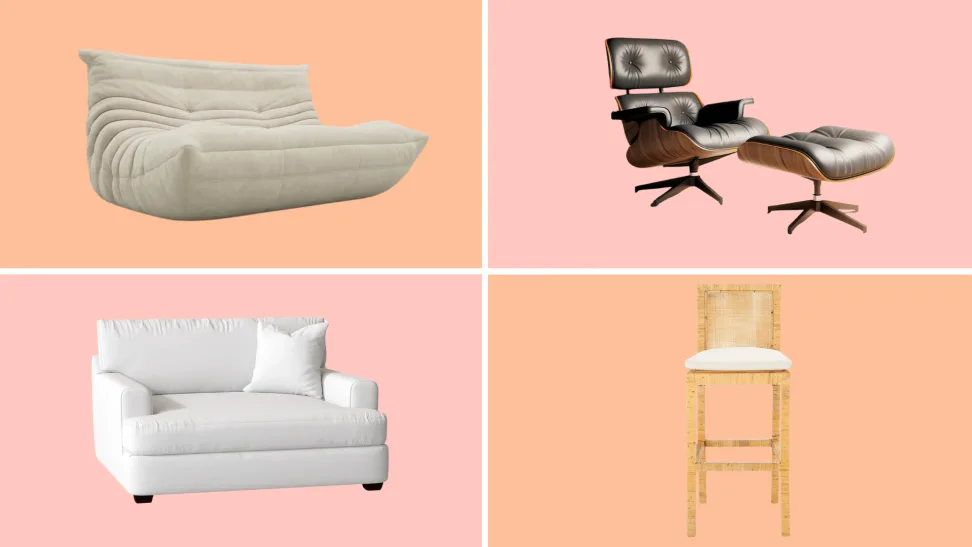
In small living rooms, your sofa choice dramatically impacts both functionality and spatial perception. Standard 84-inch sofas overwhelm compact spaces, but numerous alternatives provide comfortable seating without domination.
Apartment-Sized Sofas: These scaled-down versions typically measure 68-80 inches long—significantly more proportional for small rooms. Despite shorter lengths, quality apartment sofas provide comfortable seating for 2-3 people. Look for models with narrower arms (4-6 inches instead of 8-10 inches) to maximize seating surface while minimizing overall footprint.
Loveseats for Efficient Seating: Measuring 52-64 inches, loveseats offer comfortable two-person seating with substantially smaller footprints. Pair a loveseat with one or two compact accent chairs to create adequate seating without overwhelming your space. This combination often works better than forcing an oversized sofa into a room it doesn’t fit.
Sectionals in Small Spaces: Contrary to popular belief, small sectionals can work beautifully in compact living rooms. L-shaped configurations tuck into corners, maximizing seating capacity while using dead space efficiently. Choose sectionals with exposed legs rather than skirted bases—visible floor beneath furniture creates visual lightness. Avoid oversized, deep sectionals; opt for apartment-sized versions with shallower depths (32-36 inches instead of 40+ inches).
Armless and Low-Back Options: Sofas without arms or with low backs create less visual bulk. Armless designs lose approximately 12 inches of length compared to armed versions, translating to more floor space and easier room navigation. Low backs prevent blocking sightlines and maintain open, airy feelings.
Multi-Functional Sofa Beds: For spaces that must accommodate overnight guests, quality sleeper sofas combine everyday seating with hidden sleeping surfaces. Modern sleeper mechanisms have improved dramatically—look for memory foam mattresses rather than traditional, thin, uncomfortable options. Storage sofas with hidden compartments beneath cushions add valuable storage without requiring additional furniture.
Smart Seating Alternatives
Streamlined Accent Chairs: Choose chairs with exposed legs, open arms, and lighter visual weight. Avoid bulky recliners or oversized club chairs that consume disproportionate space. Armless slipper chairs, mid-century modern designs with tapered legs, and transparent acrylic chairs all provide seating without heaviness.
Ottomans as Flexible Seating: Storage ottomans serve triple duty—extra seating when needed, coffee table functionality with a tray on top, and hidden storage inside. Choose ottomans that complement your sofa height (14-18 inches typically) for comfortable coffee table use. Smaller pouf ottomans cluster together for flexible, moveable seating options that can be tucked away when not needed.
Floor Cushions and Poufs: For casual, bohemian, or eclectic styles, oversized floor cushions and poufs provide inexpensive, space-efficient seating that stores easily. These work particularly well for young adults, creative personalities, or anyone who enjoys relaxed, informal living spaces.
Coffee Tables That Work Harder
Standard coffee tables consume precious floor space. Choose smarter alternatives that maximize functionality per square foot.
Nesting Tables for Flexibility: Two or three tables that nest together provide an expandable surface area when entertaining, while tucking compactly when not needed. Pull out additional surfaces only when required, keeping your living room feeling more spacious daily.
Lift-Top Coffee Tables: These ingenious designs lift to comfortable working or dining heights, transforming into temporary desks or eating surfaces. Hidden storage beneath the top keeps remotes, magazines, blankets, and other items out of sight. This dual functionality eliminates the need for separate desks or dining tables in studio apartments or extremely tight spaces.
Clear Acrylic or Glass Tables: Transparent materials create visual continuity, allowing eyes to travel through furniture rather than stopping at solid surfaces. Glass-topped tables with minimal metal or wood frames nearly disappear, making rooms feel less cluttered and more open.
Round or Oval Shapes: Circular tables facilitate better traffic flow than rectangular designs. With no corners to navigate around, round tables work particularly well in tight spaces where every inch of walkway matters. They also create softer, more organic feels that balance the rectangular shapes dominating most rooms.
Ottomans Instead of Traditional Tables: As mentioned earlier, upholstered ottomans provide coffee table functionality with added benefits. Their soft surfaces eliminate sharp corners—safer for children and easier to navigate around. Remove the serving tray, and they become extra seating or footrests.
Storage Solutions That Don’t Overwhelm
Vertical Storage Maximization: When floor space is limited, build upward. Floor-to-ceiling bookcases, tall narrow cabinets, and wall-mounted shelving utilize vertical real estate without consuming valuable floor area. Floating shelves create display and storage opportunities while maintaining visual lightness since they lack bulky bases.
Multi-Functional Furniture: Every piece should earn its place through multiple purposes. Storage ottomans, sofa tables with shelves, end tables with drawers, and media consoles with cabinets all maximize functionality per square foot. Avoid single-purpose furniture that does only one job.
Hidden Storage Opportunities: Look for unexpected storage locations. The space beneath sofas can accommodate low-profile storage bins. Behind-the-sofa console tables provide surfaces and storage without requiring additional floor space. Wall-mounted cabinets are installed above eye level, offering storage without interfering with the room’s functional areas.
Built-In Solutions: If you own your space, consider investing in built-in storage tailored to your room’s exact dimensions. Custom built-ins maximize awkward corners, alcoves, and wall spaces that standard furniture cannot utilize efficiently. While initially expensive, built-ins add significant value and functionality to homes.
Color and Light: Visual Expansion Techniques
Color Strategies for Spaciousness
Color profoundly impacts spatial perception. Strategic color choices can make small living rooms feel significantly larger and more open.
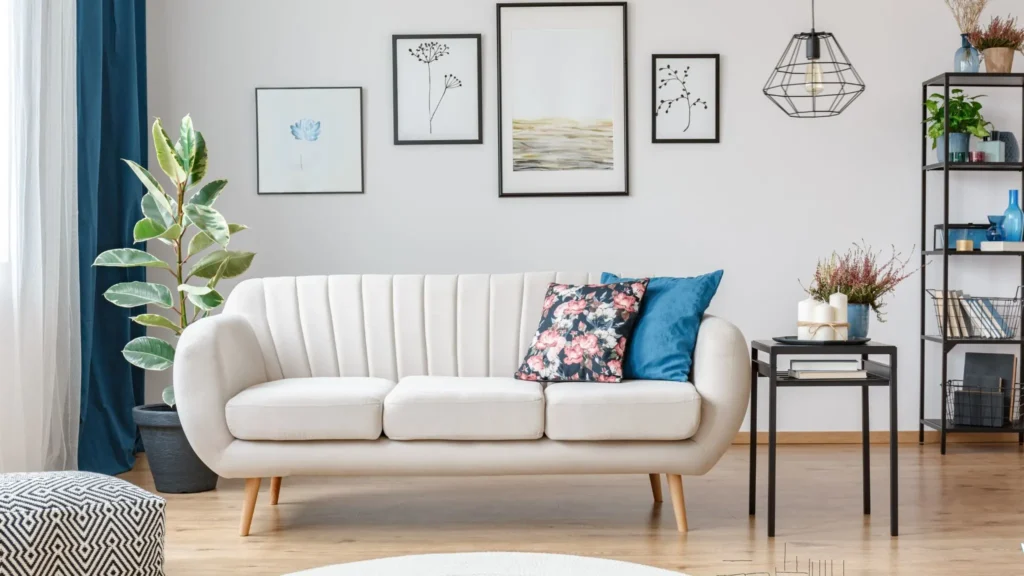
Light, Neutral Foundations: Whites, soft grays, warm beiges, and pale greiges reflect maximum light, creating bright, airy atmospheres that feel more expansive. Light colors recede visually, pushing walls outward perceptually. This doesn’t mean sterile all-white rooms—warm whites, creamy ivories, and soft greiges provide warmth while maintaining spacious feelings.
Monochromatic Schemes: Using varying shades of a single color family creates visual continuity that makes spaces feel larger. A room decorated in different tones of gray, beige, or blue flows seamlessly without jarring color transitions that chop spaces into smaller segments. This approach works beautifully while offering more visual interest than single-color rooms.
Strategic Dark Accents: While light colors dominate, strategic dark accents add necessary depth and sophistication. One dark accent wall can actually make rooms feel larger by creating the illusion of depth. Dark floors with light walls draw eyes across horizontal planes, emphasizing width. Use darker colors in moderation—one accent wall, dark furniture legs, or rich-colored accessories.
Color Psychology Considerations: Cool colors—blues, greens, soft purples—recede visually and create calming, spacious feelings. Warm colors—reds, oranges, yellows—advance visually and energize, but can make spaces feel smaller. For small living rooms, lean toward cooler tones or warm neutrals rather than highly saturated warm colors.
Ceiling Color Strategy: Painting ceilings white or lighter than walls creates the illusion of height. In rooms with adequate ceiling height (8 feet or more), consider painting ceilings the same color as walls to blur boundaries between surfaces, making rooms feel more expansive and cocoon-like simultaneously.
Maximizing Natural Light
Natural light makes rooms feel larger, more inviting, and healthier. Maximize whatever natural light your small living room receives.
Window Treatment Selection: Heavy curtains block light and consume visual space. Choose lightweight sheers, translucent roller shades, or simple Roman shades that filter light while maintaining privacy. Mount curtain rods close to ceilings rather than directly above window frames to create the illusion of taller windows and higher ceilings. Extend rods 6-12 inches beyond window frames so curtains stack off the glass when open, maximizing light entry.
Mirror Placement for Light Reflection: Strategically placed mirrors bounce natural light throughout rooms, effectively doubling its impact. Position mirrors opposite or adjacent to windows to capture and reflect sunlight. Large floor-to-ceiling mirrors create dramatic spatial expansion while serving functional purposes.
Keep Windows Clean and Unobstructed: This obvious but often overlooked tip makes surprising differences. Clean windows regularly, and avoid placing furniture directly in front of them when possible. If furniture must sit near windows, choose low-profile pieces that don’t block light.
Reflective Surfaces: Beyond mirrors, incorporate reflective materials that bounce light—glass tables, metallic accents, lacquered furniture, high-gloss finishes, and polished metals. These surfaces catch and reflect light, adding brightness without additional light sources.
Artificial Lighting Layers
Proper lighting makes or breaks small living room functionality and atmosphere.
Ambient Lighting Without Bulk: Overhead fixtures should provide general illumination without visual heaviness. Flush-mount or semi-flush ceiling fixtures work better than large pendant lights or chandeliers that hang low and feel overwhelming. Recessed lighting offers clean ambient light with zero visual footprint—ideal for modern, minimalist small spaces.
Strategic Task Lighting: Reading lamps, desk lamps, and focused lighting should be space-efficient. Slim floor lamps with small footprints, wall-mounted swing-arm lamps, and clip-on reading lights provide necessary task lighting without consuming precious surface or floor space. Adjustable options allow precise light direction while accommodating different activities.
Accent Lighting for Depth: LED strip lights behind TVs or under floating shelves create an ambient glow that adds depth perception. Picture lights highlight artwork, drawing attention to vertical wall space. Uplighting in corners washes walls with light, pushing visual boundaries outward.
Dimmer Switches for Versatility: Installing dimmers allows adjustment from bright task lighting to soft ambient glow. This flexibility adapts your space to different times of day and activities without multiple fixtures. Dimmers typically cost $15-30 and can be DIY-installed easily.
Layout and Arrangement: Make Every Inch Count
Floating Furniture in Small Spaces
Conventional wisdom suggests pushing furniture against walls in small rooms, but this often backfires, creating awkward traffic patterns and unused dead space.
Strategic Floating: Pull sofas 12-18 inches from walls, creating narrow spaces behind for floor lamps, side tables, or decorative elements. This arrangement makes rooms feel larger by creating depth layers rather than flat perimeters. The walkway behind the sofas adds functional space while making seating feel more intentional and designed.
Corner Optimization: Corners often become wasted space. Small sectionals, corner shelving units, or corner desks transform these areas into functional zones. Diagonal furniture placement in corners creates interesting angles that add visual dynamism while maximizing usable space.
Create Zones in Open Spaces: In studio apartments or open-concept small spaces, use furniture arrangement to define distinct living zones. Position your sofa to create a boundary between living and sleeping or dining areas. Area rugs beneath furniture groups visually establish zones without walls.
Traffic Flow Optimization
Maintain Clear Pathways: Aim for 24-30 inches of clearance for main walkways—slightly narrower than standard recommendations but functional in small spaces. Avoid placing furniture that forces people to turn sideways or navigate obstacle courses to reach seating.
Diagonal Pathways: Sometimes angling furniture creates more efficient traffic flow than parallel-to-walls placement. Experiment with diagonal arrangements that open up more direct paths through rooms.
Multi-Directional Access: Ensure seating areas can be approached from multiple directions rather than single entry points. This flexibility improves functionality and prevents bottlenecks when multiple people occupy the space simultaneously.
Dual-Purpose Zones
Home Office Integration: In small living rooms that must accommodate workspaces, create distinct but integrated office zones. A slim console table behind a sofa becomes a standing desk. A corner desk with minimal footprint carves out a dedicated workspace without dominating the room. Wall-mounted fold-down desks disappear completely when not in use.
Dining Space Solutions: For spaces serving as combined living and dining rooms, choose expandable dining tables that downsize when not entertaining. Drop-leaf tables, gate-leg tables, or tables with removable leaves provide flexible sizing. Alternatively, use console tables against walls that pull out and expand for dining when needed.
Guest Accommodation: Sleeper sofas, daybeds, or Murphy beds hidden in cabinets allow small living rooms to host overnight guests without permanent space dedication. Choose quality mechanisms and comfortable mattresses—guests appreciate sleeping surfaces that don’t feel like ancient torture devices.
Visual Tricks: Designer Secrets for Perceived Spaciousness
The Power of Mirrors
Mirrors rank among the most effective tools for making small spaces feel larger. Strategic mirror placement creates a dramatic spatial illusion.
Oversized Statement Mirrors: Large mirrors (36×48 inches or bigger) create focal points while doubling perceived space. Position oversized mirrors opposite windows to reflect natural light and views, effectively creating the illusion of additional windows. Floor-to-ceiling mirrors make dramatic statements and can visually double the room size when placed on entire walls.
Mirror Gallery Walls: Collections of smaller mirrors arranged like artwork create interesting focal points while maintaining spatial expansion benefits. Mix shapes, frames, and sizes for eclectic charm that adds personality beyond simple spatial tricks.
Mirrored Furniture: Coffee tables, side tables, or accent cabinets with mirrored surfaces reflect surroundings, helping them blend into spaces rather than adding visual weight. Mirrored furniture works particularly well in glamorous, modern, or eclectic design schemes.
Vertical Lines and Patterns
Vertical Stripes and Patterns: Vertical elements draw eyes upward, creating the illusion of height. Vertical striped wallpaper, tall narrow artwork, floor-to-ceiling curtains, and vertical paneling all emphasize room height. This technique works especially well in rooms with lower ceilings, where height emphasis provides needed visual lift.
Tall Narrow Furniture: Prioritize height over width when selecting furniture. Tall bookcases, narrow cabinets, and vertical storage solutions maximize storage while emphasizing room height. These pieces create less visual bulk than wide, low furniture.
Floor-to-Ceiling Elements: Curtains hung at ceiling height, tall plants, and full-height artwork all draw attention upward, making ceilings feel higher. This vertical emphasis creates perceptions of greater overall space even when square footage remains unchanged.
Furniture with Exposed Legs
Visual Lightness Through Transparency: Furniture raised on exposed legs allows light and sightlines to flow beneath and around pieces, creating visual lightness impossible with skirted or solid-base furniture. This transparency makes rooms feel less cluttered and more spacious. Choose sofas, chairs, and tables with legs at least 4-6 inches high for the best effect.
Mid-Century and Modern Styles: These design aesthetics naturally emphasize exposed-leg furniture with slim profiles—perfect for small spaces. Tapered wooden legs, hairpin metal legs, and sleek metal frames all contribute to airy, uncluttered aesthetics.
Consistent Flooring
Avoid Area Rug Mistakes: While area rugs define zones and add warmth, improperly sized rugs make small rooms feel even smaller. Choose rugs large enough that furniture front legs rest on them—this grounds arrangements and creates cohesive visual flow. Too-small rugs floating in space create choppy, disconnected feelings that emphasize limited square footage.
Maintain Flooring Continuity: If possible, use consistent flooring throughout connected spaces. Transitions between different flooring materials create visual breaks that chop spaces into smaller segments. Continuous flooring creates flow and makes combined areas feel more expansive.
Style-Specific Small Living Room Ideas
Minimalist Modern
Perfect for small spaces, minimalism embraces the “less is more” philosophy that prevents clutter and visual overwhelm.
Key Elements: Clean lines, neutral colors, minimal decoration, multi-functional furniture, hidden storage, quality over quantity. Every piece serves a purpose; nothing exists purely for decoration.
Color Palette: Whites, soft grays, blacks, with occasional bold accent colors. Natural wood tones add warmth without breaking from minimalist principles.
Furniture Choices: Low-profile sofas with slim arms, simple coffee tables, floating shelves instead of bulky bookcases, streamlined media consoles.
Scandinavian Hygge
This Danish-inspired style combines minimalist principles with warmth and coziness—ideal for small living rooms seeking comfort without clutter.
Key Elements: White walls, natural wood furniture, soft textiles, plants, simple decor, functional design, cozy lighting from candles, and warm-toned bulbs.
Color Palette: Predominantly white with natural wood, soft grays, and occasional pastel accents in blues, greens, or pinks.
Furniture Choices: Light wood pieces with clean lines, comfortable upholstered seating in neutral fabrics, simple storage solutions, and minimal decoration focused on natural materials.
Modern Farmhouse
Rustic charm meets contemporary design in this enduringly popular style that adapts beautifully to small spaces when executed thoughtfully.
Key Elements: Shiplap or board-and-batten walls, distressed wood furniture, neutral colors with black accents, vintage-inspired pieces, natural textures, casual comfort.
Color Palette: Whites, creams, soft grays, natural wood tones, with black metal accents and occasional muted color (sage green, dusty blue).
Furniture Choices: Overstuffed comfortable seating in neutral fabrics, reclaimed wood coffee tables, open shelving, and vintage finds mixed with new pieces.
Bohemian Eclectic
For creative personalities, bohemian style brings color, pattern, and global influences together in layered, collected environments.
Key Elements: Mixed patterns and textures, global textiles, plants, collected treasures, rich colors, layered rugs, floor cushions, hanging plants, and natural materials.
Color Palette: Jewel tones (emerald, sapphire, ruby), earthy terracottas and ochres, mixed with neutrals as grounding elements.
Furniture Choices: Low-profile seating, floor cushions, vintage finds, woven and natural fiber furniture, and colorful upholstered pieces.
Small Space Considerations: In tiny rooms, the bohemian style requires restraint to avoid feeling chaotic. Focus on quality layering rather than cramming in every collected piece.
Budget-Friendly Small Living Room Transformations
Strategic Investment Priorities
Spend More On: Quality sofa (you’ll use it daily), comfortable rug, versatile window treatments, good lighting.
Save Money On: Decorative accessories, throw pillows, artwork, small accent furniture, seasonal decor items.
Affordable Space-Maximizing Solutions
IKEA and Budget Retailer Hacks: Many affordable furniture retailers offer specifically designed small-space furniture. IKEA’s storage solutions, modular systems, and apartment-sized furniture provide functionality at budget-friendly prices. Mix quality investment pieces with affordable supporting players for a balanced design.
DIY Projects: Paint accent walls yourself, create gallery walls from printed photos or inexpensive frames, refinish thrift store furniture finds, sew custom curtains or pillow covers, build simple floating shelves from lumber.
Thrift and Vintage Shopping: Secondhand stores, estate sales, Facebook Marketplace, and Craigslist offer unique furniture at substantial savings. Look for quality pieces with good bones that need only minor updates—new hardware, fresh paint, or reupholstered cushions transform dated furniture into custom pieces.
Multi-Functional Investments: Prioritize furniture serving multiple purposes—sleeper sofas, storage ottomans, nesting tables, expandable dining tables. These pieces deliver more value per dollar than single-purpose furniture.
Common Small Living Room Mistakes to Avoid
Oversized Furniture: The most frequent mistake—forcing standard or oversized furniture into spaces where they don’t fit. Measure carefully and choose appropriately scaled pieces.
Too Much Furniture: Every piece competes for limited space. Less furniture, chosen thoughtfully, creates better results than cramming in everything you wish you had room for.
Blocking Natural Light: Heavy curtains, furniture in front of windows, and dark colors that absorb light all make small rooms feel smaller and darker.
Ignoring Vertical Space: Failing to utilize walls and vertical storage wastes valuable real estate. Build upward when you cannot expand outward.
Cluttered Surfaces: Countertops, coffee tables, and shelves covered in accumulated stuff create visual chaos that makes spaces feel cramped. Embrace minimalist surface styling for cleaner, more spacious aesthetics.
Wrong-Sized Rugs: Too-small area rugs emphasize limited floor space rather than disguising it. Choose rugs that fit under at least the furniture front legs.
Poor Lighting: Dark, inadequately lit small rooms feel like caves. Layer multiple light sources at various heights for better illumination and ambiance.
Conclusion: Small Can Be Beautiful
Small living rooms aren’t design limitations—they’re opportunities for creativity, efficiency, and intentional living. By choosing appropriately scaled furniture, embracing light colors, maximizing vertical storage, and implementing smart layout strategies, you can transform even the most compact living room into a stylish, functional space that feels surprisingly spacious.
Remember that great small living room design evolves through experimentation. Try different furniture arrangements, assess what works and what doesn’t, and adjust accordingly. Focus on quality over quantity, choose multi-functional pieces, and ruthlessly edit out anything that doesn’t serve a clear purpose or bring you genuine joy.
Your small living room can be every bit as comfortable, stylish, and welcoming as larger spaces—sometimes even more so, as the intimate scale creates cozy, inviting atmospheres that vast rooms cannot match. Embrace your compact living room’s potential, implement these proven strategies, and create a space you’ll love spending time in regardless of its square footage.
In another related article, 8 Best Modern Floor Lamps for Living Room in 2025: Illuminate Your Space Stylishly