
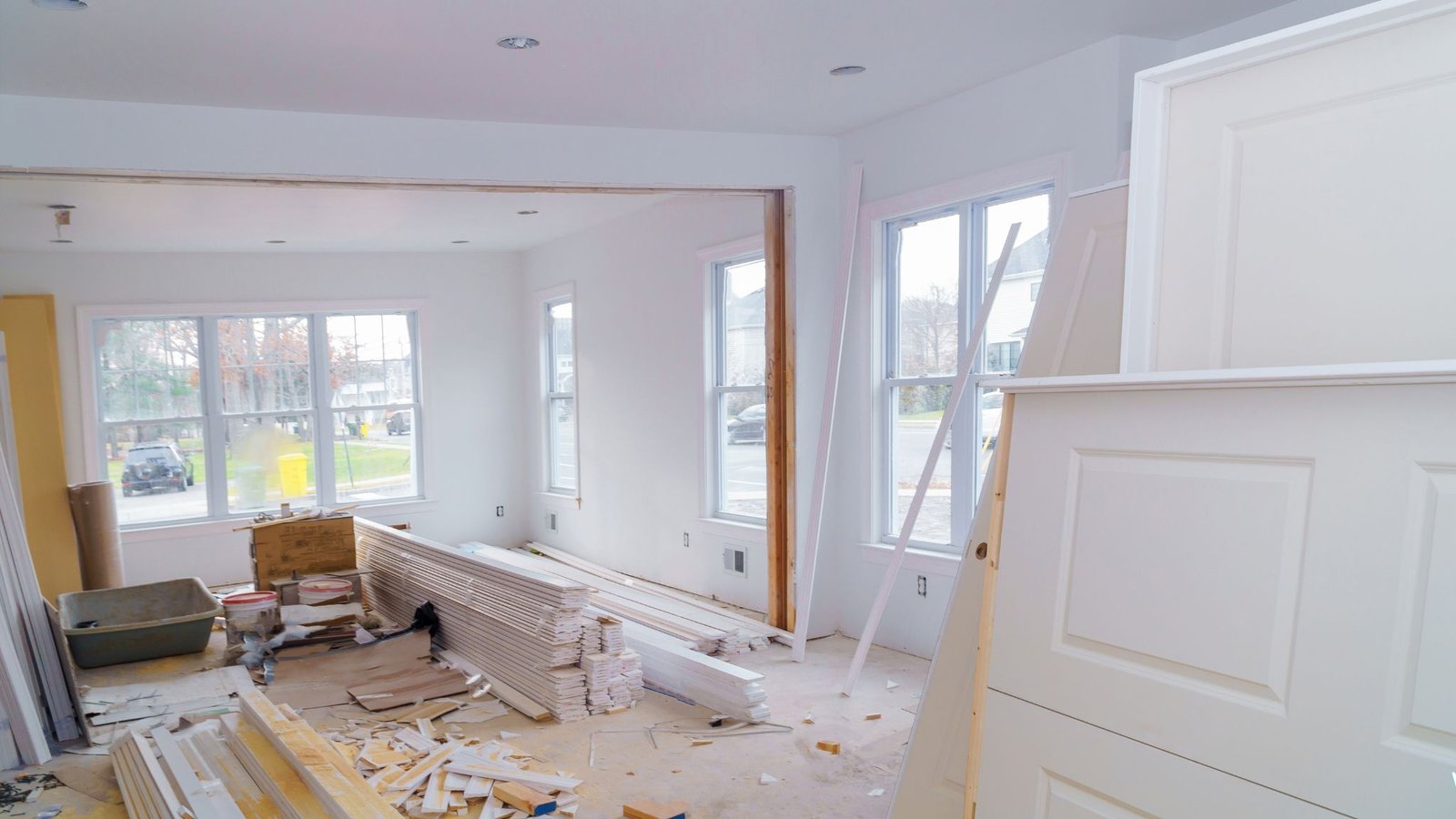
Texas homeowners face unique challenges when it comes to energy consumption. With scorching summers that routinely exceed 100°F, high humidity levels along the Gulf Coast, and energy bills that can skyrocket during peak cooling season, finding ways to improve home efficiency isn’t just environmentally responsible—it’s financially essential.
The average Texas household spends approximately $1,800 to $2,500 annually on energy costs, with cooling accounting for up to 50 percent of summer bills. However, strategic energy-efficient upgrades can reduce these costs by 20 to 40 percent while simultaneously improving comfort, increasing property value, and reducing environmental impact.
This comprehensive guide examines the most effective energy-efficient upgrades for Texas homes, analyzing costs, benefits, payback periods, and implementation strategies to help you make informed decisions about improving your home’s performance.
Understanding Energy Consumption in Texas Homes
Before investing in upgrades, understanding where your home loses energy helps prioritize improvements for maximum impact.
Cooling and heating systems account for 40 to 60 percent of total energy consumption in Texas homes, with the percentage varying based on climate zone. Houston and South Texas homes run air conditioning nearly year-round, while Dallas and North Texas see more balanced heating and cooling loads.
Water heating typically represents 15 to 25 percent of energy costs, making it the second-largest energy consumer in most homes. Traditional tank water heaters work constantly to maintain temperature, resulting in significant standby energy loss.
Air leakage and poor insulation can account for 20 to 40 percent of heating and cooling costs. Homes built before modern energy codes often lack adequate insulation and contain numerous gaps allowing conditioned air to escape.
Lighting, appliances, and electronics constitute the remaining 15 to 25 percent of energy consumption. While individual devices may seem insignificant, their cumulative impact over time proves substantial.
Attic Insulation: The Foundation of Home Efficiency
Attic insulation represents one of the most cost-effective energy upgrades available to Texas homeowners, delivering exceptional returns on investment.
Cost Analysis
Professional attic insulation installation typically costs between $1.50 and $3.50 per square foot, depending on insulation type and existing conditions. For a typical 1,500 square foot attic, expect total costs between $2,250 and $5,250.
Blown-in fiberglass insulation offers the most economical option at $1.50 to $2.50 per square foot. This material provides good thermal performance and works well for filling irregular spaces and covering existing insulation.
Blown-in cellulose insulation costs slightly more at $1.75 to $2.75 per square foot but offers superior air sealing properties and better resistance to settling over time. Made from recycled paper products, cellulose also appeals to environmentally conscious homeowners.
Spray foam insulation represents a premium option at $3 to $7 per square foot. While significantly more expensive, spray foam provides both insulation and air sealing in a single application, creating an exceptional thermal barrier.
Energy Savings and Payback
Upgrading attic insulation from minimal levels to R-38 or R-49—the recommended values for Texas—can reduce cooling costs by 15 to 25 percent and heating costs by 20 to 30 percent. For a home spending $2,000 annually on energy, this translates to savings of $300 to $500 per year.
Payback periods for attic insulation typically range from 4 to 8 years, among the shortest for any home improvement project. The upgrade continues delivering savings for 20 to 30 years or longer with minimal maintenance required.
Beyond energy savings, improved attic insulation reduces HVAC system runtime, extending equipment life and improving comfort by eliminating hot and cold spots throughout the home.
Implementation Considerations
Ensure adequate attic ventilation before adding insulation. Texas attics can reach 150°F or higher in summer, and proper ventilation helps exhaust this heat, reducing the load on insulation and preventing moisture accumulation.
Address air leakage before insulating by sealing penetrations around pipes, wires, and ductwork. Air sealing maximizes insulation effectiveness and prevents moisture problems.
Many Texas utility companies offer rebates for attic insulation upgrades, potentially covering 10 to 30 percent of project costs. Check with your local provider before starting work.
Radiant Barrier Installation
Radiant barriers represent a Texas-specific upgrade that addresses the intense solar radiation characteristic of the state’s climate.
Cost and Installation
Radiant barrier installation typically costs between $0.40 and $0.75 per square foot for materials and labor. A 1,500 square foot attic requires $600 to $1,125 for complete coverage.
Radiant barriers consist of reflective material installed on the underside of roof decking or across attic floor joists. The reflective surface blocks up to 97 percent of radiant heat transfer, preventing solar energy absorbed by roofing from heating attic space.
Performance in Texas Climate
Radiant barriers prove particularly effective in Texas, where intense solar radiation drives cooling loads. Studies conducted by Texas A&M University found that radiant barriers can reduce attic temperatures by 20 to 30°F and lower cooling costs by 5 to 15 percent.
Homes with darker roofing materials, minimal attic insulation, or ductwork located in attic spaces benefit most from radiant barriers. The upgrade works synergistically with insulation, as each addresses different heat transfer mechanisms.
Return on Investment
With annual savings of $100 to $300 for typical homes, radiant barriers pay for themselves in 3 to 7 years. The permanent upgrade requires no maintenance and continues delivering benefits throughout the home’s life.
Some Texas utility companies offer rebates for radiant barrier installation, further improving return on investment. Additionally, combining radiant barrier installation with other attic work maximizes efficiency and reduces overall project costs.
HVAC System Upgrades and Optimization
Given that heating and cooling account for the largest portion of Texas home energy consumption, HVAC improvements deliver substantial benefits.
High-Efficiency System Replacement
Replacing an older, inefficient HVAC system with a modern high-efficiency unit represents a significant investment but delivers proportional returns.
Standard efficiency air conditioning systems operate at 13-14 SEER ratings, while high-efficiency units achieve 16-20 SEER or higher. Premium systems with variable-speed compressors can reach 20-26 SEER, providing exceptional efficiency.
Complete system replacement including furnace and air conditioner typically costs between $5,000 and $12,000 for standard efficiency equipment and $8,000 to $18,000 for high-efficiency systems. Costs vary based on system size, efficiency rating, and installation complexity.
Upgrading from a 10 SEER system to a 16 SEER unit can reduce cooling costs by 35 to 40 percent. For a home spending $1,200 annually on cooling, this translates to savings of $420 to $480 per year, producing payback periods of 10 to 15 years.
High-efficiency systems also operate more quietly, provide better humidity control, and offer improved comfort through more consistent temperatures. Variable-speed systems eliminate the temperature swings common with single-stage equipment.
Ductwork Sealing and Insulation
Leaky ductwork undermines HVAC efficiency regardless of system quality. Studies indicate that typical residential duct systems lose 20 to 40 percent of conditioned air through leaks and poor connections.
Professional duct sealing costs between $1,500 and $3,500 for whole-house treatment using aerosol-based sealing technology. Traditional mastic sealing runs slightly less at $1,000 to $2,500 but may not address all leak locations.
Duct insulation costs an additional $1 to $3 per linear foot. Attic ductwork, common in Texas homes, requires adequate insulation to prevent heat gain during summer and heat loss during winter.
Sealing and insulating ductwork can improve HVAC efficiency by 20 to 30 percent, reducing annual energy costs by $200 to $400 for typical homes. Payback periods range from 4 to 8 years, making this one of the most cost-effective HVAC improvements available.
READ ALSO: Window Replacement Cost Guide for New York Homeowners
Smart Thermostats
Smart thermostats represent an affordable entry point for improving HVAC efficiency through optimized control and automation.
Quality smart thermostats cost between $150 and $300, with professional installation adding $100 to $200. Many homeowners successfully install these devices themselves, eliminating installation costs.
Smart thermostats learn household patterns, automatically adjust temperatures based on occupancy, and allow remote control via smartphone apps. These features typically reduce heating and cooling costs by 10 to 15 percent through optimized scheduling and reduced waste.
Annual savings of $150 to $250 produce payback periods under 2 years, making smart thermostats one of the fastest-returning energy investments. Additional benefits include improved comfort, usage tracking, and integration with other smart home systems.
Several Texas utility companies offer rebates of $50 to $100 for smart thermostat installation, further accelerating payback.
Air Sealing: The Invisible Energy Upgrade
Air sealing addresses the gaps, cracks, and penetrations that allow conditioned air to escape and outdoor air to infiltrate your home.
Common Air Leakage Points
Typical homes contain numerous air leakage locations including recessed lighting fixtures, electrical outlets and switches, plumbing penetrations, attic hatches, door and window frames, and intersections between walls and foundations.
Professional energy audits using blower door tests can identify specific leakage locations and quantify total air leakage. Many Texas utility companies offer free or subsidized energy audits to customers.
Cost and Implementation
Professional whole-house air sealing typically costs between $1,000 and $2,500, depending on home size and leakage severity. The work involves caulking, weatherstripping, foam sealing, and other techniques to close air leakage pathways.
DIY air sealing represents a cost-effective approach for motivated homeowners. Investing $100 to $300 in materials and spending several weekends methodically sealing leaks can achieve substantial results.
Energy Savings
Comprehensive air sealing can reduce heating and cooling costs by 10 to 20 percent, translating to annual savings of $200 to $400 for typical Texas homes. The permanent improvement requires no maintenance and continues delivering benefits indefinitely.
Payback periods for professional air sealing range from 3 to 7 years, while DIY efforts pay back in under a year. Beyond energy savings, air sealing improves comfort by eliminating drafts and helps control indoor humidity levels.
Window Replacements and Solar Control
Windows significantly impact energy consumption in Texas homes, particularly those with extensive glazing or poor-quality existing windows.
Energy-Efficient Window Replacement
Replacing single-pane or inefficient double-pane windows with modern energy-efficient units can reduce cooling costs by 10 to 25 percent. Window replacement costs typically range from $300 to $1,000 per window installed, with whole-house projects running $5,000 to $15,000.
For detailed analysis of window replacement costs, options, and returns specific to Texas homeowners, comprehensive resources provide guidance on making informed decisions about this significant investment.
Prioritize replacing windows with southern and western exposures first, as these receive the most intense solar radiation and contribute most significantly to cooling loads.
Window Film and Solar Screens
For homeowners unable to replace windows immediately, window film and solar screens offer more affordable alternatives for reducing solar heat gain.
Professional window film installation costs between $6 and $14 per square foot. Quality films reject up to 70 percent of solar heat while maintaining good visibility. Expect to invest $1,500 to $4,000 for typical homes with 20 to 30 windows.
Solar screens block 65 to 90 percent of solar heat before it reaches window glass. Custom solar screens cost between $75 and $200 per window installed, making them more economical than window film for most applications.
Both solutions can reduce cooling costs by 5 to 15 percent, with annual savings of $100 to $300. Payback periods range from 5 to 10 years, making these worthwhile investments for homes with aging windows.
Water Heating Efficiency Upgrades
Water heating represents the second-largest energy expense in most Texas homes, offering multiple upgrade opportunities.
Tankless Water Heaters
Tankless water heaters heat water on demand rather than maintaining a tank of hot water continuously. This eliminates standby heat loss and can reduce water heating costs by 25 to 35 percent for typical usage patterns.
Gas tankless water heaters cost between $1,500 and $3,500 installed, while electric models run $800 to $2,000 installed. The higher initial cost compared to traditional tank heaters is offset by energy savings and longer equipment life—tankless heaters typically last 20 years versus 10-12 years for tank models.
For homes spending $400 to $600 annually on water heating, tankless heaters save $100 to $200 per year. Payback periods range from 10 to 15 years when considering energy savings alone, though avoiding one or two tank replacements over the unit’s life improves overall economics.
Tankless heaters work best for households with consistent but not excessive hot water demands. Very large households may require multiple units or should consider high-capacity models.
Heat Pump Water Heaters
Heat pump water heaters use electricity to move heat from ambient air into water rather than generating heat directly. This approach proves 2 to 3 times more efficient than conventional electric water heaters.
Heat pump water heaters cost between $1,800 and $3,500 installed. They can reduce water heating costs by 50 to 65 percent compared to standard electric water heaters, producing annual savings of $250 to $400 for typical homes.
Payback periods range from 5 to 9 years, making heat pump water heaters an excellent investment for homes with electric water heating. Texas’s warm climate proves ideal for this technology, as heat pump efficiency improves with higher ambient temperatures.
Heat pump water heaters require adequate space for installation and produce some noise during operation. Installing units in conditioned space provides cooling benefits during summer, though this increases heating loads during winter.
Tank Water Heater Optimization
For homeowners retaining tank water heaters, several inexpensive upgrades improve efficiency.
Insulating blankets cost $20 to $50 and can reduce standby heat loss by 25 to 45 percent, saving $20 to $40 annually. Payback occurs within 1 to 2 years.
Pipe insulation costs $0.50 to $2 per linear foot and reduces heat loss from hot water lines. Insulating the first 3 to 6 feet of pipes from the water heater delivers most benefits at minimal cost.
Lowering water heater temperature to 120°F reduces energy consumption without sacrificing comfort or safety for most households. This simple adjustment can save $30 to $60 annually with no cost.
Solar Energy Systems
Solar photovoltaic systems represent a major investment that can dramatically reduce or eliminate electric bills while increasing home value.
System Costs and Sizing
Residential solar installations in Texas typically cost between $2.50 and $3.50 per watt before incentives. A 7-kilowatt system sufficient for an average Texas home runs $17,500 to $24,500 before incentives.
Federal tax credits currently cover 30 percent of installation costs, immediately reducing net investment by thousands of dollars. Some Texas utilities offer additional incentives, though programs vary significantly by provider.
After federal incentives, net costs drop to approximately $12,250 to $17,150 for a 7-kilowatt system. This system can generate 9,000 to 11,000 kilowatt-hours annually in Texas, offsetting $1,100 to $1,400 in electric costs at typical rates.
Return on Investment
Payback periods for solar installations in Texas typically range from 9 to 14 years, depending on installation costs, energy consumption, local electricity rates, and available incentives. Systems continue producing electricity for 25 to 30 years or longer, providing substantial long-term returns.
Solar installations increase property values by an amount roughly equivalent to installation costs. This means the investment adds value even before energy savings are considered.
Texas’s net metering policies vary by utility. Some providers offer credit for excess generation at retail rates, while others provide lower wholesale rates. Understanding your utility’s policies proves crucial for evaluating solar economics.
Solar Considerations for Texas
Texas receives abundant sunshine, making it one of the best states for solar energy production. Even during winter months, most areas receive sufficient solar radiation for good system performance.
Some Texas communities have homeowners association restrictions on visible solar installations. Review local regulations and HOA rules before investing in solar systems.
Solar panels require minimal maintenance in Texas but benefit from occasional cleaning to remove dust and pollen. Modern panels withstand hail and severe weather common in Texas, though comprehensive insurance coverage proves advisable.
Whole-House Fans
Whole-house fans offer a cost-effective cooling alternative during mild weather common during spring and fall in Texas.
Installation and Operation
Whole-house fans install in the attic and pull cool outdoor air through open windows while exhausting hot air through attic vents. Quality units cost between $600 and $1,500 installed, depending on size and features.
These fans work effectively when outdoor temperatures fall below indoor temperatures, typically during morning and evening hours. Running a whole-house fan for several hours can cool a home’s thermal mass, reducing air conditioning needs for hours afterward.
Energy Savings
Whole-house fans use approximately 10 percent of the energy required for air conditioning while moving comparable air volumes. In Texas’s climate, homeowners can typically use whole-house fans instead of air conditioning for 30 to 60 nights annually, depending on location and weather patterns.
Annual energy savings typically range from $100 to $250, producing payback periods of 3 to 7 years. Beyond energy savings, whole-house fans provide excellent ventilation and eliminate stale indoor air.
Modern whole-house fans operate much more quietly than older models, addressing noise concerns that previously limited adoption. Timer controls and automatic temperature sensors optimize operation without constant monitoring.
LED Lighting Conversion
While lighting represents a smaller portion of total energy consumption, LED conversion offers excellent returns on minimal investment.
Cost Analysis
LED bulbs now cost between $2 and $10 per bulb, depending on brightness and features. Converting a typical home’s 40 to 60 light fixtures costs $100 to $400.
LED bulbs use 75 to 85 percent less energy than incandescent bulbs and last 15 to 25 times longer. A 60-watt incandescent bulb costs approximately $80 in electricity over its 1,000-hour lifespan at typical Texas rates, while an equivalent LED uses about $12 in electricity over its 15,000 to 25,000-hour life.
Energy Savings and Benefits
Complete LED conversion typically reduces lighting energy consumption by 70 to 80 percent, saving $100 to $200 annually for typical homes. Payback occurs within 1 to 2 years through combined energy savings and reduced replacement costs.
LED lighting also reduces cooling loads by generating significantly less waste heat than incandescent bulbs. This secondary benefit can reduce cooling costs by an additional $20 to $50 annually in Texas homes.
Modern LED bulbs offer excellent color quality and instant-on operation, eliminating previous concerns about LED lighting quality. Dimmable options work with existing dimmer switches, though some dimmers may require updating for optimal performance.
Strategic Planning: Prioritizing Upgrades
With numerous upgrade options available, strategic prioritization ensures you invest where benefits prove greatest.
Energy Audit Foundation
Professional energy audits cost $200 to $500 but provide detailed analysis of your home’s energy performance and specific upgrade recommendations. Many Texas utility companies offer free or subsidized audits.
Audits typically include blower door testing to measure air leakage, thermal imaging to identify insulation gaps, and combustion appliance safety testing. The detailed report prioritizes improvements based on cost-effectiveness.
Prioritization Framework
Start with the lowest-cost, highest-return improvements including LED lighting, smart thermostats, air sealing, and water heater optimization. These projects often cost under $1,000 combined and deliver immediate, measurable savings.
Progress to medium-cost projects including attic insulation, radiant barriers, and duct sealing. These improvements typically cost $2,000 to $5,000 and offer payback periods under 10 years.
Plan major investments including HVAC replacement, window upgrades, and solar installations carefully. These projects require substantial capital but deliver long-term benefits and should align with equipment replacement cycles when possible.
Consider bundling projects to reduce overall costs. Combining attic insulation and radiant barrier installation minimizes labor costs, while coordinating multiple upgrades reduces disruption to your household.
Financing Considerations
Cash purchases avoid interest costs and provide the quickest payback, but many homeowners prefer financing to spread costs over time.
Home equity loans or lines of credit offer competitive interest rates and potential tax benefits. Monthly payments often approximate energy savings, making projects cash-flow neutral or positive from implementation.
Property Assessed Clean Energy programs available in some Texas communities allow repayment through property taxes over 10 to 20 years. These programs often feature attractive rates and transfer obligations to new owners if you sell.
Many contractors offer financing programs, though terms vary significantly. Compare contractor financing to other options before committing, as rates may exceed alternative financing sources.
Maintenance and Long-Term Performance
Energy-efficient upgrades require proper maintenance to deliver expected performance throughout their service lives.
Regular Maintenance Tasks
HVAC systems require annual professional maintenance including cleaning, filter changes, refrigerant level checks, and control calibration. Proper maintenance extends equipment life and maintains efficiency.
Clean solar panels once or twice annually to remove accumulated dust and pollen. Texas’s dusty conditions can reduce solar production by 5 to 15 percent without regular cleaning.
Inspect weatherstripping and caulking annually, particularly around doors and windows. Texas’s temperature extremes accelerate weatherstripping deterioration, and maintaining seals preserves energy savings.
Replace HVAC filters every 1 to 3 months depending on system type and household conditions. Clean filters maintain airflow and efficiency while protecting equipment from damage.
Monitoring and Optimization
Track energy consumption monthly to identify trends and verify that upgrades deliver expected savings. Many utility companies offer detailed usage tracking through online portals.
Smart home energy monitors provide real-time consumption data and identify high-usage appliances or systems. These devices cost $100 to $300 and help optimize energy usage through increased awareness.
Seasonal adjustments to programmable and smart thermostats ensure settings remain appropriate as weather changes. Review and update schedules periodically to reflect household routine changes.
Document all improvements with receipts, warranties, and installation records. This information proves valuable for warranty claims, refinancing applications, and home sales.
Making Your Investment Decision
Energy-efficient upgrades represent investments that pay dividends through reduced utility costs, improved comfort, and increased property value. For Texas homeowners facing some of the nation’s most challenging cooling loads and highest summer energy costs, these improvements deliver particularly strong returns.
Begin by understanding your home’s current energy performance through utility bill analysis and preferably a professional energy audit. This foundation ensures you invest where improvements deliver maximum benefit for your specific situation.
Consider your financial situation and homeownership timeline when selecting upgrades. Homeowners planning to remain in their homes for many years can justify longer-payback investments like solar systems, while those with shorter horizons should focus on improvements that enhance resale value alongside energy savings.
Take advantage of available incentives including utility rebates, federal tax credits, and local programs. These incentives can substantially reduce net costs and improve project economics.
Remember that energy efficiency improvements compound—each upgrade makes your home more efficient, but multiple improvements working together deliver synergistic benefits exceeding the sum of individual improvements.
The combination of rising energy costs, improving technology, and increasing available incentives makes now an excellent time for Texas homeowners to invest in energy efficiency. Whether you implement a comprehensive upgrade plan or tackle projects incrementally over several years, the long-term benefits to your comfort, finances, and home value make these improvements among the soundest investments you can make in your property.
In another related article, Window Replacement Cost Guide for Texas Homeowners