Florida’s unique climate presents homeowners with distinct roofing challenges that few other states experience. Between hurricane season’s powerful winds, frequent thunderstorms, intense UV exposure, and high humidity levels, Florida roofs endure more stress than roofs in most other parts of the country. After storm season passes, many homeowners face a critical decision: should they repair their damaged roof or replace it entirely?
This comprehensive guide will help Florida homeowners understand the factors that determine whether repair or replacement is the right choice, what to look for after storm damage, how to work with insurance companies, and what specific considerations apply to the Sunshine State’s unique roofing needs.
Understanding Florida’s Unique Roofing Challenges
Florida’s weather patterns create a perfect storm of conditions that accelerate roof aging and damage. The state experiences more lightning strikes than anywhere else in the United States, averaging over 1.4 million strikes annually. Hurricane season runs from June through November, bringing the potential for catastrophic wind damage, flying debris, and water intrusion. Beyond major storms, daily afternoon thunderstorms during the summer months subject roofs to repeated thermal cycling and moisture exposure.
The intense subtropical sun beats down on Florida roofs year-round, causing shingles to deteriorate faster than in northern climates. UV radiation breaks down roofing materials, while extreme heat can cause shingles to become brittle and crack. High humidity levels promote algae and mold growth, particularly on north-facing roof sections that receive less direct sunlight. Salt air in coastal areas adds another layer of corrosion concerns, especially for metal roofing components and fasteners.
These combined factors mean that roofs in Florida typically have shorter lifespans than the same roofing materials would have in other regions. What might last 25 years in a northern state may only survive 15 to 20 years in Florida. Understanding these unique pressures helps homeowners make informed decisions about when repair is sufficient and when replacement becomes necessary.
Signs Your Roof Needs Attention After Storm Season
After Florida’s storm season ends, homeowners should conduct thorough inspections to identify potential damage. Some signs are obvious, while others require a trained eye to detect. Missing or damaged shingles are the most visible indicators of storm damage. Look for shingles that have been torn off completely, cracked, curled, or lifted at the edges. Granule loss, which appears as dark or discolored patches on asphalt shingles, indicates that the protective coating has worn away, leaving the underlying material vulnerable to UV damage and water intrusion.
Water stains on interior ceilings or walls signal that water has penetrated the roof system. Even small leaks can cause significant damage over time, including rotted decking, compromised insulation, and mold growth within wall cavities. Check your attic after heavy rains for signs of moisture, including water stains on rafters, damp insulation, or visible daylight coming through the roof decking.
Sagging areas on your roof indicate structural damage that requires immediate attention. This could result from water-damaged decking, broken trusses, or accumulated debris. Damaged or missing flashing around chimneys, vents, skylights, and roof valleys creates vulnerable points where water can enter. Storm winds often lift and damage these critical waterproofing elements.
Debris accumulation in gutters and valleys suggests that shingle granules are washing off, indicating advanced deterioration. Dented or damaged gutters, soffit, and fascia may also point to broader roof system damage. For tile and metal roofs, look for cracked or displaced tiles, dented metal panels, and loosened fasteners.
When Roof Repair Makes Sense
Roof repair is typically the most cost-effective solution when damage is localized, and the overall roof system remains in good condition. If storm damage affects less than 30 percent of your roof surface and the roof is relatively young, with more than half its expected lifespan remaining, repair usually makes financial sense. Isolated damage from a fallen tree branch, a small section of missing shingles, or a localized leak around a penetration can often be repaired without replacing the entire roof.
The age of your roof plays a crucial role in the repair versus replacement decision. If your roof is less than ten years old and has sustained minor to moderate storm damage, repair is almost always the appropriate choice. Modern roofing materials are designed to withstand Florida’s climate when properly installed, and a young roof with isolated damage has plenty of serviceable life remaining after repairs.
Repair also makes sense when the damaged area is easy to access and matches the existing roofing material. If your home still has the original shingles or tiles in good condition, and replacement materials are readily available, repairs can blend seamlessly with the existing roof. This is particularly important for maintaining your home’s curb appeal and avoiding a patchwork appearance.
Budget considerations may also favor repair when replacement costs exceed available funds or insurance coverage. While it’s never advisable to ignore significant damage, strategic repairs can buy time until a full replacement becomes feasible. However, this approach only works if the repairs address genuine safety and weatherproofing needs rather than simply postponing inevitable replacement.
Minor issues like replacing a few damaged shingles, repairing flashing, sealing small leaks, or addressing isolated wind damage are excellent candidates for repair. These fixes can extend your roof’s lifespan by several years when performed correctly and can prevent small problems from escalating into major damage that would necessitate full replacement.
When Roof Replacement Is Necessary
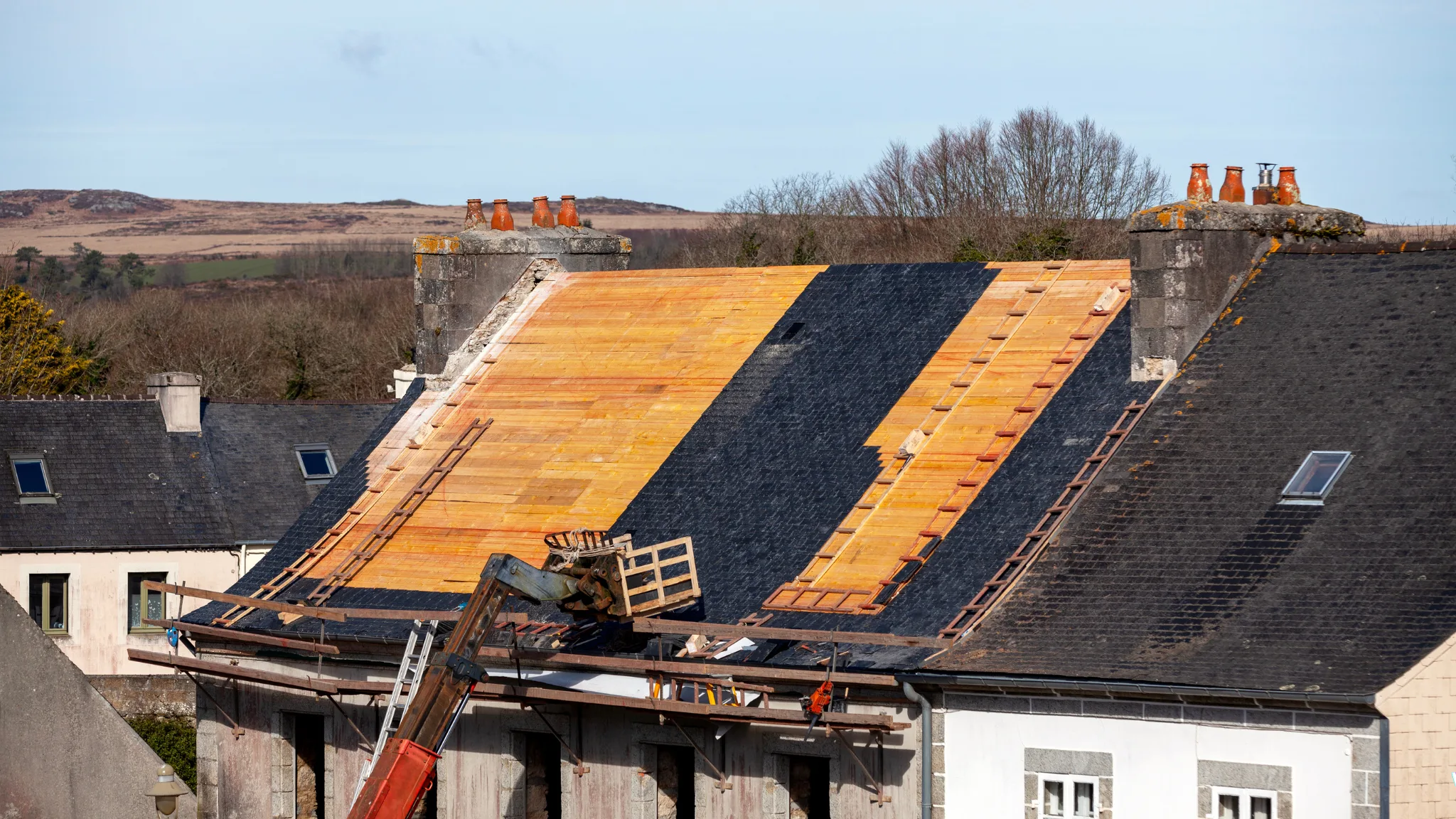
Roof replacement becomes the only viable option when damage is extensive, the roof is approaching the end of its lifespan, or structural integrity has been compromised. If storm damage affects more than 40 percent of your roof surface, replacement typically makes more economic sense than extensive repairs. Attempting to patch large areas of damage often results in recurring problems and ultimately costs more than replacement would have initially.
Age is one of the most important factors in the replacement decision. Asphalt shingle roofs in Florida typically last 15 to 20 years, while tile roofs may last 30 to 50 years, and metal roofs can exceed 40 years with proper maintenance. If your roof is within a few years of its expected lifespan and has sustained moderate storm damage, replacement is usually the wiser investment. Repairing an aging roof often means throwing good money after bad, as additional problems will likely emerge soon.
Multiple leaks throughout your roof indicate systemic failure rather than isolated damage. When water intrusion occurs in several locations, the underlying roof structure has likely deteriorated beyond the point where repairs can provide lasting protection. Water damage to the roof decking, which is the plywood or OSB sheathing beneath your roofing material, often requires replacement of both the decking and the roofing material above it.
Sagging roof sections indicate serious structural problems that cannot be addressed through simple repairs. This condition results from water-damaged or rotted support structures and poses safety risks. Building code violations discovered during inspection may also necessitate replacement, particularly if the existing roof doesn’t meet current Florida Building Code requirements for wind resistance and uplift.
Chronic problems that require repeated repairs suggest that the roof system has failed. If you’ve made multiple repair calls over the past few years, replacement will likely save money in the long run while providing peace of mind. Energy efficiency concerns also favor replacement when upgrading to modern, reflective roofing materials that reduce cooling costs in Florida’s hot climate.
Insurance considerations sometimes mandate replacement even when repair seems possible. Many insurance companies require replacement if damage exceeds certain thresholds, and replacement may be necessary to maintain adequate coverage going forward. Additionally, if you’re planning to sell your home within the next few years, a new roof significantly increases property value and marketability in Florida’s competitive real estate market.
Florida Building Code Requirements
Florida maintains some of the strictest building codes in the nation due to hurricane risk, and these regulations directly impact roofing decisions. The Florida Building Code establishes minimum standards for wind resistance, with requirements varying based on your home’s location. South Florida and coastal areas face the strictest requirements, with roofs needing to withstand wind speeds up to 180 miles per hour in some zones.
If your home was built before 2001, when the current Florida Building Code was adopted, your roof may not meet modern standards. While existing roofs are typically grandfathered in, any substantial repair or replacement must bring the roof into compliance with current codes. This often means that even if repair seems feasible, building inspectors may require full replacement to meet code requirements.
The High Velocity Hurricane Zone, which includes Miami-Dade and Broward counties, has additional requirements beyond the standard Florida Building Code. Roofs in this zone must pass stringent testing protocols and receive special approval before installation. These requirements affect material selection, installation methods, and attachment specifications.
Proper permitting is essential for both repairs and replacements in Florida. Homeowners must obtain building permits for most roofing work, and inspections are required at various stages of the project. Working without permits can result in fines, complications when selling your home, and insurance claim denials. Always verify that your roofing contractor pulls appropriate permits and arranges required inspections.
Florida law also mandates specific licensing requirements for roofing contractors. Only state-certified or state-registered contractors can legally perform roofing work in Florida. This licensing ensures that contractors understand and comply with building codes, carry appropriate insurance, and have demonstrated competency in their trade. Hiring unlicensed contractors puts homeowners at risk for substandard work, code violations, and liability issues.
Working with Insurance Companies
Understanding how to navigate the insurance claim process is crucial for Florida homeowners dealing with storm damage. Most homeowner’s insurance policies cover sudden and accidental damage from covered perils like hurricanes, windstorms, and hail. However, coverage specifics vary widely between policies, and understanding your policy’s terms before damage occurs helps avoid unpleasant surprises.
Document damage thoroughly before making repairs or contacting your insurance company. Take extensive photographs and videos from multiple angles, showing both close-up details and wide shots that establish context. Photograph damage from inside your home as well, including any water stains, damaged ceilings, or affected personal property. Time-stamped documentation is particularly valuable if disputes arise about when damage occurred.
Contact your insurance company as soon as possible after discovering storm damage. Most policies require prompt notification, and delays can complicate claims. Your insurance company will assign an adjuster to inspect the damage and determine coverage. Consider hiring a public adjuster or having your own roofing contractor present during the insurance company’s inspection to ensure all damage is properly documented and assessed.
Florida’s insurance landscape has unique characteristics that affect homeowners. Many insurance companies have limited operations in Florida or withdrawn entirely due to hurricane risk. This has led to increased reliance on Citizens Property Insurance Corporation, the state-backed insurer of last resort, and higher premiums across the board. Understanding your policy’s wind deductible, which is often percentage-based rather than a flat dollar amount, is essential for budgeting repair or replacement costs.
Insurance companies may only agree to pay for repairs when homeowners believe replacement is necessary, or vice versa. If you disagree with your insurance company’s assessment, you have the right to dispute the decision. Obtain multiple professional opinions from licensed roofing contractors, and consider hiring a public adjuster who works exclusively for you rather than the insurance company. Document all communications with your insurance company in writing, and don’t hesitate to seek legal advice if disputes cannot be resolved amicably.
Some insurance policies include provisions about matching materials. If your damaged section cannot be matched to the existing roof, the insurance company may need to cover the replacement of a larger area or even the entire roof to maintain a uniform appearance. Florida law provides certain protections for homeowners in these situations, so understanding your rights is important.
Cost Considerations for Florida Homeowners
The financial impact of roof repair versus replacement varies significantly based on numerous factors. On average, roof repairs in Florida range from 150 dollars for minor fixes to several thousand dollars for extensive damage. Common repairs like replacing a small section of shingles might cost 300 to 800 dollars, while more complex repairs involving flashing, decking replacement, or structural work can reach 2,000 to 5,000 dollars or more.
Full roof replacement costs in Florida typically range from 5,000 to 20,000 dollars for an average-sized home, with costs varying based on roofing material, home size, roof complexity, and location within the state. Asphalt shingle roofs are generally the most affordable option, ranging from 300 to 500 dollars per square, which is the roofing industry’s unit of measurement equal to 100 square feet. Tile roofs cost significantly more, typically ranging from 600 to 1,200 dollars per square, while metal roofs fall somewhere in between at 500 to 900 dollars per square.
These cost ranges reflect the realities of Florida’s market, where labor costs tend to be higher due to licensing requirements, insurance costs, and high demand following storm events. Prices typically spike in the months immediately following major hurricanes as demand overwhelms supply, and unscrupulous contractors may take advantage of desperate homeowners.
When comparing repair to replacement costs, consider the lifespan extension each option provides. A $3,000 repair on a roof with only five years of life remaining may not represent good value compared to a $12,000 replacement that provides 20 years of protection. Calculate the annual cost by dividing the total expense by the expected years of service to make accurate comparisons.
Energy savings from replacement can offset some of the initial investment. Modern reflective roofing materials, particularly light-colored metal roofs and special cool shingles, can significantly reduce cooling costs in Florida’s hot climate. Energy savings of 15 to 30 percent on cooling bills are possible with the right roofing choices, potentially saving hundreds of dollars annually.
Property value increases from roof replacement should also factor into cost considerations. A new roof can increase home value by 10,000 to 20,000 dollars or more, and it makes homes more attractive to buyers in Florida’s competitive market. Many buyers specifically look for homes with new roofs to avoid immediate repair expenses and insurance complications.
Financing options exist for homeowners who need roof work but lack immediate funds. Many roofing contractors offer financing plans, and home equity loans or lines of credit provide another avenue for funding roof replacement. Some local governments and utilities offer incentives for energy-efficient roofing upgrades, which can help offset costs.
Choosing the Right Roofing Material for Florida
Material selection significantly impacts both the immediate cost and long-term performance of roof repairs or replacements. Each roofing type offers distinct advantages and disadvantages for Florida’s climate.
Asphalt shingles remain the most popular roofing material in Florida due to their affordability and ease of installation. Architectural shingles, which are thicker and more durable than traditional three-tab shingles, perform better in Florida’s harsh conditions. Look for shingles rated for high wind resistance and impact resistance from hail. Quality asphalt shingles designed for Florida conditions typically carry Class 4 impact ratings and wind resistance ratings up to 130 miles per hour. Expect asphalt shingle roofs to last 15 to 20 years in Florida with proper maintenance.
Concrete and clay tile roofs are extremely popular in Florida, particularly in Mediterranean and Spanish-style homes. Tile roofs offer exceptional durability, with lifespans of 30 to 50 years or more. They provide excellent protection against fire, wind, and impacts, and their thermal mass helps reduce heat transfer into homes. However, tile roofs are significantly heavier than other options, requiring adequate structural support. They also cost considerably more to install than asphalt shingles, though their longevity offsets some of this premium.
Metal roofing has gained popularity in Florida due to its durability, energy efficiency, and wind resistance. Standing seam metal roofs can withstand hurricane-force winds and reflect solar heat, reducing cooling costs by up to 25 percent. Metal roofs typically last 40 to 70 years and require minimal maintenance. They come in various styles that can mimic other materials, including tile and shingles. While initial costs are higher than asphalt shingles, the long lifespan and energy savings make metal roofing an excellent investment for many Florida homeowners.
Modified bitumen and TPO systems are common for flat or low-slope roofs found on some Florida homes. These membrane systems provide excellent waterproofing when properly installed and maintained. They perform well in Florida’s climate but require professional installation and periodic inspection to ensure seams and penetrations remain watertight.
When selecting materials, consider factors beyond initial cost. Wind resistance ratings are critical in Florida, so choose materials tested and rated for high-wind conditions. Impact resistance matters in areas prone to hail or where falling branches are common. Solar reflectance affects cooling costs, with lighter colors and reflective coatings reducing heat absorption. Local architectural guidelines in some Florida communities dictate approved roofing materials and colors, so verify requirements before making selections.
Finding a Reputable Florida Roofing Contractor
Selecting the right contractor may be the most important decision in the roof repair or replacement process. Florida’s post-storm environment attracts both legitimate professionals and unscrupulous operators looking to exploit vulnerable homeowners.
Start by verifying licensing and insurance. All roofing contractors in Florida must hold either a state-certified license, which allows them to work anywhere in Florida, or a state-registered license, which limits them to specific counties. Verify licensing through the Florida Department of Business and Professional Regulation’s website. Contractors must also carry workers’ compensation insurance and general liability insurance. Request certificates of insurance and verify coverage directly with the insurance company.
Seek multiple estimates from at least three contractors. Detailed written estimates should itemize materials, labor, permits, and disposal costs. Be wary of estimates that are significantly lower than others, as this often indicates corner-cutting or plans to pressure you into expensive upgrades later. The lowest bid is rarely the best choice in roofing work.
Check references and online reviews thoroughly. Request references from projects completed in the past year, and actually contact those homeowners to ask about their experience. Online review sites like the Better Business Bureau, Google, and Angie’s List provide insight into contractor reputations. Look for patterns in reviews rather than focusing on isolated complaints, as even excellent contractors occasionally have dissatisfied customers.
Local contractors with established businesses in your area are generally safer bets than out-of-state storm chasers who appear after major hurricanes. Local contractors have reputations to maintain and are more likely to honor warranties and address problems that arise after completion. They also understand local building codes and permit requirements.
Avoid contractors who pressure you to make immediate decisions, ask for large upfront payments, or discourage you from getting other estimates. Legitimate contractors understand that roof replacement is a major investment and respect homeowners’ need to make informed decisions. Never pay in full before work is completed, and be wary of contractors who only accept cash.
Ensure your contract includes detailed specifications, including specific materials to be used with brand names and model numbers, a complete scope of work, start and completion dates, a payment schedule tied to completion milestones, warranty information for both materials and labor, permit responsibilities, and cleanup procedures. Review contracts carefully before signing, and don’t hesitate to request clarifications or modifications.
Timing Your Repair or Replacement
Timing significantly affects both the cost and outcome of roofing work in Florida. The ideal time for roof replacement is typically during Florida’s dry season, which runs from late October through May. During these months, contractors face fewer weather-related scheduling disruptions, and roofing materials cure properly without interference from afternoon thunderstorms.
However, storm damage doesn’t wait for ideal weather conditions. If your roof sustains significant damage during hurricane season, temporary repairs may be necessary to prevent further damage until permanent repairs or replacement can be scheduled. Emergency tarping and temporary waterproofing can protect your home’s interior while you arrange for comprehensive solutions.
Demand for roofing services spikes dramatically after major hurricanes, leading to contractor shortages and price increases. Homeowners who need roof work in the aftermath of widespread storm events may face wait times of several months. This reality makes preventative maintenance and timely repairs of minor damage especially important in Florida. Addressing small issues before they become major problems helps avoid being caught in the post-storm repair rush.
Consider scheduling roof work during the shoulder seasons of late spring or early fall when contractors may have more availability than during peak summer months, yet the weather remains relatively predictable. Avoid starting major roofing projects during the peak of hurricane season from August through October if possible, as approaching storms can disrupt projects and newly installed roofing materials may not have adequate time to cure before being tested by severe weather.
Maintenance Tips for Florida Roofs
Proper maintenance extends roof lifespan and helps identify problems before they require expensive repairs or premature replacement. Florida roofs need more frequent attention than roofs in other climates due to the harsh environmental conditions.
Schedule professional roof inspections at least once annually, ideally before and after hurricane season. Professional roofers can identify developing problems that homeowners might miss, including subtle signs of water intrusion, deteriorating flashing, and weakened attachment points. Many roofing companies offer maintenance programs that include regular inspections and minor repairs.
Keep your roof clean by removing debris regularly. Fallen leaves, branches, and other debris trap moisture against roofing materials, accelerating deterioration and promoting algae growth. Clean gutters and downspouts quarterly to ensure proper water drainage away from your roof and home’s foundation.
Trim overhanging tree branches that could fall on your roof during storms or scrape against roofing materials during high winds. Branches should be at least six feet away from your roof surface to prevent damage and reduce organic debris accumulation.
Address algae and mold growth promptly. While primarily a cosmetic issue, algae staining can indicate moisture problems. Clean roofs with appropriate solutions designed for your specific roofing material, or hire professionals who use low-pressure cleaning methods that won’t damage shingles or tiles.
Inspect your attic regularly for signs of moisture, proper ventilation, and adequate insulation. Good attic ventilation helps prevent heat and moisture buildup that can damage roofing materials from below. Proper insulation reduces heat transfer and helps prevent ice damming in the rare cold weather events that affect northern Florida.
Document your roof’s condition with photographs taken from the same angles annually. This visual record helps you track deterioration over time and provides valuable documentation for insurance claims if damage occurs.
Hurricane Preparedness and Storm Mitigation
Proactive measures can minimize storm damage to your roof and reduce the likelihood of needing extensive repairs or replacement. Florida homeowners should implement storm mitigation strategies before hurricane season arrives each year.
Hurricane straps and clips, which connect roof trusses to wall framing, significantly improve wind resistance. If your home was built before modern building codes required these connectors, retrofitting them can qualify you for insurance discounts while protecting your home. Many insurance companies offer inspections and discounts for homes with documented wind mitigation features.
Install impact-resistant roofing materials when replacing your roof. Impact-resistant shingles, often called IR shingles, meet specific testing standards for resistance to hail and debris impacts. While they cost slightly more than standard shingles, they qualify for insurance discounts and provide better protection during storms.
Ensure proper flashing installation around all roof penetrations, including chimneys, vents, and skylights. Quality flashing installation prevents water intrusion, which is often more damaging than wind during hurricanes. Sealed roof deck systems, which use peel-and-stick underlayment over the entire roof deck, provide an additional waterproofing layer that protects your home even if shingles blow off during storms.
Regular maintenance becomes critical for hurricane preparedness. Secure loose shingles before storm season arrives, as wind can get underneath loose edges and peel off large sections of roofing. Repair minor damage promptly rather than waiting for it to worsen. Even small problems can become major failures during hurricane conditions.
Create an emergency kit that includes tarps, plywood, nails, and tools for temporary repairs after storms. While permanent repairs require professional contractors, temporary measures can prevent additional damage while you wait for professional help in the aftermath of major hurricanes.
Conclusion
Deciding between roof repair and replacement after Florida’s storm season requires careful evaluation of multiple factors. The extent and location of damage, your roof’s age and overall condition, building code requirements, insurance coverage, and budget considerations all play crucial roles in making the right decision.
For localized damage on relatively young roofs, repair offers a cost-effective solution that can extend your roof’s lifespan by years. However, extensive damage, aging roof systems, or multiple chronic problems typically make replacement the wiser long-term investment. While replacement costs more upfront, it provides decades of protection, improves energy efficiency, increases property value, and offers peace of mind.
Working with licensed, insured, and reputable contractors ensures quality work that meets Florida Building Code requirements and protects your investment. Understanding your insurance coverage and properly documenting damage helps maximize insurance benefits and reduce out-of-pocket expenses.
Florida’s unique climate demands high-quality roofing materials designed specifically for subtropical conditions, intense UV exposure, high winds, and heavy rainfall. Investing in appropriate materials and professional installation pays dividends through improved performance and longevity.
Regular maintenance, proactive storm preparation, and prompt attention to developing problems help Florida homeowners minimize the frequency and severity of roofing issues. While Florida’s weather poses unique challenges, informed homeowners who understand their roofs’ needs and work with qualified professionals can protect their homes effectively.
Whether you ultimately choose repair or replacement, prioritize quality materials, professional installation, and comprehensive warranties. Your roof represents one of your home’s most critical protective systems, and decisions made after storm damage will affect your home’s safety, comfort, and value for years to come. Take time to evaluate options thoroughly, obtain multiple professional opinions, and make decisions based on long-term value rather than short-term cost savings.
Florida homeowners who educate themselves about roofing issues, maintain their roofs properly, and make informed decisions about repairs and replacements can successfully navigate the challenges of protecting their homes in one of America’s most demanding climates.
In another related article, Water Heater Repair & Replacement in Florida: Local Pricing, Warning Signs & Best Options