
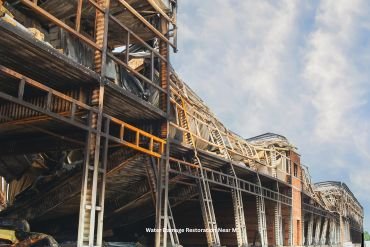
When water invades your home or business, every minute counts. A burst pipe, a flooded basement, or a roof leak left untreated for even a few hours can turn a manageable problem into a catastrophic structural disaster. That is why finding reliable water damage restoration near me with round-the-clock emergency cleanup services is not just a convenience — it is an absolute necessity. This comprehensive guide walks you through everything you need to know about water damage restoration: what it is, why speed matters, how professionals handle the process, what it costs, and how to choose the right restoration company in your area.
What Is Water Damage Restoration?
Water damage restoration is the professional process of cleaning, drying, repairing, and restoring a property that has been affected by unwanted water intrusion. It goes far beyond simply mopping up puddles. The process involves the use of industrial-grade equipment, advanced moisture detection tools, antimicrobial treatments, and expert structural knowledge to return a property to its pre-damage condition — or better.
Water damage can stem from a wide variety of sources, including burst or frozen pipes (especially common during winter months when temperatures drop suddenly), appliance failures from leaking washing machines, dishwashers, or water heaters, roof leaks caused by damaged shingles or ice dams, sewage backups that carry harmful pathogens, natural flooding from storms and rising groundwater, firefighting water used to extinguish a blaze, HVAC condensation leaks, and foundation cracks that allow groundwater to seep into basements and crawl spaces.
No matter the source, the damage follows a predictable and escalating pattern. The longer water sits, the deeper it penetrates walls, flooring, insulation, and structural framing — and the more expensive and complicated the restoration becomes.
Why 24/7 Emergency Water Damage Services Matter
Water does not respect business hours. A pipe can burst at 2 a.m. on a Sunday. A sump pump can fail during a holiday weekend storm. That is why the most reputable water damage restoration companies offer 24/7 emergency response, 365 days a year — and why you should make sure the company you call actually delivers on that promise.
The First 24 to 48 Hours Are Everything
Within the first hour of water damage, moisture begins soaking into drywall, flooring, and furniture. Within 24 hours, mold can begin to form in damp, warm environments. By 48 hours, mold growth accelerates significantly, structural materials begin to warp and swell, and the risk of secondary damage — including ceiling collapses, electrical hazards, and compromised load-bearing walls — rises sharply.
Professional emergency response teams understand this urgency. A certified restoration technician who arrives within one to four hours of your call can make the difference between a contained cleanup and a weeks-long reconstruction project costing tens of thousands of dollars more than it needed to.
Stopping Active Water Intrusion
An emergency response team will immediately work to identify and stop the source of water intrusion. Whether that means shutting off the main water supply, temporarily patching a roof, or bypassing a failed sump pump, halting the flow is always the priority. Until the source is stopped, every other effort is fighting an uphill battle.
Preventing Mold and Microbial Growth
Mold spores are always present in the air, but they need sustained moisture to activate and colonize. Once mold takes hold in porous materials like drywall and wood framing, removal becomes far more invasive and costly — often requiring the demolition and replacement of entire wall sections. A 24/7 emergency team armed with industrial dehumidifiers and high-velocity air movers can begin drawing moisture out of your structure immediately, dramatically reducing the risk of a full-blown mold infestation.
Protecting Irreplaceable Belongings
Emergency responders also help protect personal property by moving items out of affected areas, covering valuables, and beginning the content restoration process as quickly as possible. The sooner furniture, electronics, documents, and sentimental items are moved to a dry environment, the better the chances of full recovery.
The Water Damage Restoration Process: A Step-by-Step Breakdown
Professional water damage restoration follows a systematic, proven process developed and standardized by the Institute of Inspection Cleaning and Restoration Certification (IICRC). Here is what to expect when you call a qualified restoration company near you.
Step 1: Emergency Contact and Rapid Dispatch
The moment you call, a trained specialist will ask a series of intake questions to assess severity: the source of the water, how long it has been present, the approximate area affected, and whether there are any safety hazards such as exposed electrical wiring or structural instability. Based on this assessment, a restoration crew is dispatched — ideally arriving within one to four hours.
Step 2: Inspection and Damage Assessment
Upon arrival, technicians perform a thorough inspection of the property using advanced tools such as thermal imaging cameras, moisture meters, and hygrometers to identify all areas of water intrusion — including hidden pockets of moisture behind walls, under flooring, and inside ceilings. This step is crucial because water travels. A leak that started on the second floor can saturate insulation and framing several floors below before it becomes visible to the naked eye.
Technicians will also categorize the water damage according to IICRC standards. Category 1 (Clean Water) originates from a sanitary source, such as a broken supply line, and poses little health risk. Category 2 (Gray Water) contains some contaminants — such as water from a dishwasher or washing machine overflow — and poses a moderate health risk. Category 3 (Black Water) is highly contaminated water from sewage backups, rising floodwaters, or stagnant standing water that has begun harboring bacteria and pathogens. This is the most hazardous category and requires specialized PPE and full decontamination protocols.
The damage is also classified by how deeply water has penetrated — from Class 1 (minimal absorption affecting a small area) to Class 4 (deeply absorbed into dense materials like hardwood, concrete, or stone), which requires much more aggressive and prolonged drying efforts.
Step 3: Water Extraction
Once the assessment is complete, extraction begins immediately. Restoration professionals use truck-mounted or portable wet vacuums and submersible pumps capable of removing hundreds — even thousands — of gallons of water per hour. Standing water is removed first, followed by water trapped in carpet padding, subfloor layers, wall cavities, and crawl spaces.
This step is the most time-sensitive in the entire process. Thorough extraction is the foundation of a successful dry-out. The more water removed mechanically, the less work the drying equipment has to do, and the faster the structure returns to acceptable moisture levels.
Step 4: Drying and Dehumidification
After extraction, the visible water is gone — but the structure is far from dry. Moisture has already been absorbed into walls, floors, joists, and insulation. This is where industrial drying equipment becomes essential. Restoration crews strategically place high-velocity air movers to create airflow across wet surfaces, commercial-grade dehumidifiers to pull moisture out of the air, and desiccant dehumidifiers for extreme cases or cold environments where refrigerant-based units are less effective.
Technicians monitor moisture readings daily and adjust equipment placement based on drying progress. A proper dry-out can take anywhere from three to five days for straightforward cases, or significantly longer for severe or deeply saturated damage. The goal is to reach what is called a “drying goal” — the equilibrium moisture content for the specific materials in the structure based on the local climate.
Step 5: Cleaning and Sanitizing
Once drying is complete, the affected areas must be thoroughly cleaned and sanitized. This is especially important for Category 2 and Category 3 water intrusions. Technicians apply EPA-registered antimicrobial and antifungal treatments to all affected surfaces to inhibit mold growth and eliminate bacteria. Salvageable materials such as cabinetry, flooring, and personal belongings are cleaned using appropriate methods — from air washing and wet cleaning to immersion cleaning and foam cleaning, depending on the material type.
Odor removal is also addressed at this stage. Water damage — especially from sewage or floodwater — can leave persistent, unpleasant odors. Restoration professionals use hydroxyl generators, ozone machines, and thermal fogging to neutralize odor-causing molecules rather than simply masking them with fragrances.
Step 6: Restoration and Reconstruction
The final phase of the water damage restoration process is returning the property to its pre-damage condition. Depending on the severity of the damage, this can range from minor repairs — such as replacing drywall, repainting walls, or installing new carpet — to major reconstruction involving structural framing, electrical systems, plumbing, and full room renovations.
Reputable restoration companies handle both the mitigation (cleanup and drying) and the reconstruction, which streamlines the process and simplifies communication with your insurance company. Some companies coordinate directly with your insurance adjuster to ensure claims are processed accurately and promptly.
Common Types of Water Damage Emergencies
Understanding the most frequent types of water damage emergencies can help you recognize a problem quickly and know when to call for professional help.
Burst and Frozen Pipes
This is one of the most common — and most destructive — types of residential water damage. When water freezes inside a pipe, it expands with tremendous force, rupturing the pipe wall. The resulting flood can release hundreds of gallons within minutes. Homes in cold climates are particularly vulnerable, especially pipes in unheated exterior walls, attics, and crawl spaces. If you notice dramatically reduced water pressure, discolored water, or visible frost on pipes during cold weather, call a plumber and a restoration professional immediately.
Basement Flooding
Basements are naturally vulnerable to water intrusion due to their below-grade location. Causes include sump pump failures, heavy rain overwhelming drainage systems, foundation cracks, and window well overflows. Flooded basements can destroy finished living spaces, damage HVAC equipment, water heaters, and electrical panels, and create ideal conditions for mold growth, given the typically cool, dark, and poorly ventilated environment.
Roof Leaks and Storm Damage
Severe storms, high winds, and hail can strip shingles, damage flashing around chimneys and skylights, and leave your attic exposed to the elements. Even a small roof leak can saturate insulation, damage ceiling joists, and stain or collapse interior ceilings if left unaddressed. After any major storm, it is wise to have your roof inspected even if you have not yet noticed any interior damage.
Sewage Backups
A sewage backup is one of the most serious water damage emergencies a property owner can face. Raw sewage contains viruses, bacteria, and parasites that pose serious health risks to occupants. This type of damage demands immediate professional response using full protective equipment, specialized cleaning agents, and strict decontamination protocols. Do not attempt to clean up sewage backups yourself — the health risks are significant.
Appliance Failures
Refrigerators, dishwashers, washing machines, and water heaters all have supply lines, hoses, and internal components that can fail without warning. A washing machine supply hose that bursts can flood an entire floor in minutes. Regularly inspecting appliance connections and replacing rubber hoses with braided stainless steel alternatives can significantly reduce this risk.
How to Choose the Right Water Damage Restoration Company Near You
With dozens of restoration companies potentially operating in your area, it is important to know how to separate the truly qualified professionals from those who will take your money and leave you with lingering problems. Here are the key factors to evaluate.
IICRC Certification
The Institute of Inspection Cleaning and Restoration Certification is the gold standard for the restoration industry. Look for companies whose technicians hold certifications such as the Water Damage Restoration Technician (WRT), Applied Structural Drying (ASD), or Applied Microbial Remediation Technician (AMRT) credentials. These certifications ensure technicians have been trained in current best practices and industry standards.
24/7 Availability with Fast Response Times
Verify that the company offers genuine 24/7 emergency response — not just an answering service that schedules a callback for the next business day. Ask directly: “If I call at midnight tonight, how long until a technician is at my door?” A reputable emergency restoration company should guarantee arrival within one to four hours.
Local Presence and Service Area
Choosing a locally based restoration company has several advantages. Local companies can respond faster, are familiar with regional building materials and climate conditions, have established relationships with local insurance adjusters, and are accountable to the community they serve. Search for “water damage restoration near me” to identify companies with a physical presence in your area, not just national franchises that may subcontract your job to an unfamiliar crew.
Transparent Pricing and Insurance Coordination
Reputable restoration companies provide detailed written estimates before work begins and are transparent about how they bill. Many work directly with homeowners’ insurance policies and can help you navigate the claims process. Ask whether the company bills your insurance directly and whether they will document all damage thoroughly for your adjuster.
Reviews, References, and Track Record
Check Google Reviews, the Better Business Bureau, and platforms like Yelp or Angi for honest customer feedback. Pay particular attention to reviews that mention response times, professionalism, thoroughness of drying, and how smoothly the company handled the insurance process. A consistent track record of five-star reviews across multiple platforms is a strong indicator of reliability.
Licensing, Bonding, and Insurance
Confirm that any company you hire holds all required state and local licenses, is bonded, and carries both general liability insurance and workers’ compensation coverage. This protects you from liability if a worker is injured on your property and ensures you have recourse if the company causes additional damage during the restoration process.
What Does Water Damage Restoration Cost?
The cost of water damage restoration varies widely depending on the extent of the damage, the category of water involved, the size of the affected area, and your geographic location. Here is a general breakdown of what homeowners can expect to pay.
For minor water damage affecting a small area — such as a bathroom leak discovered quickly — costs may range from $1,000 to $3,000. Moderate damage affecting multiple rooms or requiring significant drying equipment typically runs between $3,000 and $8,000. Severe damage, such as a fully flooded basement or water intrusion from Category 3 sources, can easily exceed $10,000 to $20,000 or more when reconstruction is factored in.
The IICRC S500 Standard for Professional Water Damage Restoration provides the framework that most restoration companies and insurance companies use when scoping and pricing jobs. Most standard homeowners’ insurance policies cover sudden and accidental water damage from internal sources such as burst pipes and appliance failures. Flood damage from rising external water, however, is typically excluded from standard policies and requires a separate flood insurance policy through the National Flood Insurance Program (NFIP) or a private insurer.
Immediate Steps to Take Before Help Arrives
While you wait for the restoration team to arrive, there are several steps you can take to minimize damage — provided it is safe to do so.
First, if the water source is from a plumbing failure, shut off the main water supply to stop the flow. If there is any risk of electrical hazards — such as outlets, appliances, or your electrical panel being near the water — do not enter the affected area and turn off the electricity at the breaker box if you can do so safely. Remove valuables, documents, photographs, and electronics from the affected area if you can do so without putting yourself at risk. Open windows and doors if the weather permits to promote airflow. Place aluminum foil, wood blocks, or plastic wrap under furniture legs to prevent staining and additional water absorption. Do not use a household vacuum to try to extract water — it is not designed for this and creates a serious electrical hazard.
Most importantly, call your restoration company immediately and then call your insurance company to report the claim. Document the damage with photographs and video before any cleanup begins, as this documentation is critical for your insurance claim.
Read also: Roof Repair & Roof Replacement Cost Guide (2026 Update)
The Role of Mold Remediation in Water Damage Restoration
Mold is one of the most serious consequences of water damage, and it deserves special attention. Mold can begin growing within 24 to 48 hours of water intrusion under the right conditions, and once established, it spreads rapidly through HVAC systems and porous building materials. Mold exposure can cause a wide range of health effects, from respiratory irritation and allergic reactions in otherwise healthy individuals to serious illness in those with compromised immune systems.
If your water damage has been present for more than 24 to 48 hours before being addressed, or if you discover mold during the restoration process, mold remediation will be required as part of the overall restoration scope. Professional mold remediation involves containing the affected area to prevent cross-contamination, removing and disposing of mold-colonized materials, treating structural surfaces with biocides, and verifying successful remediation through post-clearance air and surface testing.
A qualified water damage restoration company will either have in-house mold remediation capabilities or work with a trusted partner to handle this phase of the project seamlessly.
Preventing Future Water Damage
While no property is entirely immune to water damage, there are several proactive measures property owners can take to reduce their risk significantly.
Inspect your roof at least twice a year and after any major storm. Keep gutters and downspouts clean and properly directed away from your foundation. Install a sump pump in your basement if you do not already have one, and consider a battery backup system so it continues operating during power outages, which often accompany the very storms most likely to cause flooding. Replace washing machine supply hoses every three to five years, or immediately upgrade to braided stainless steel hoses. Know where your main water shutoff valve is located and make sure all household members know how to operate it. Consider installing water leak detection sensors near appliances, under sinks, and near the water heater — these inexpensive devices can alert you to a leak before it becomes a flood. Have your plumbing inspected periodically, especially if you live in an older home with aging pipes.
Final Thoughts: Act Fast, Choose Wisely
Water damage is one of the most stressful and financially significant events a property owner can face. But with the right professional help and a rapid response, even severe water damage can be fully remediated and your home or business restored to its original condition — sometimes in a matter of days.
When searching for water damage restoration near me, prioritize companies that offer genuine 24/7 emergency cleanup services, hold current IICRC certifications, demonstrate a strong local track record, and communicate transparently about costs and insurance coordination. Do not wait to see if the problem resolves on its own — it will not. Water damage only gets worse with time, and the cost of inaction is almost always far greater than the cost of immediate professional intervention.
Keep the number of a trusted local restoration company saved in your phone before disaster strikes. Because when a pipe bursts at 3 a.m., and water is rushing across your floors, the last thing you want to be doing is searching the internet for help—you want to be making the call.