Your home’s foundation is its most critical structural component. When foundation problems emerge, they can threaten the safety, value, and longevity of your entire property. Understanding foundation repair costs and knowing how to identify the best contractors near you can save you thousands of dollars and protect your most valuable investment.
This guide covers everything you need to know — from identifying early warning signs and understanding what drives repair costs, to vetting qualified contractors and asking the right questions before signing any contract. Whether you’re dealing with minor cracks or serious structural settlement, read on to navigate the process with confidence.
What Is Foundation Repair?
Foundation repair refers to any work done to correct damage, settling, shifting, or structural deficiencies in a building’s base. The foundation supports the entire weight of your home and keeps it anchored to the ground. Over time, soil movement, water infiltration, tree roots, poor drainage, and natural settling can cause the foundation to crack, shift, bow, or sink unevenly — a condition known as differential settlement.
Foundation issues don’t fix themselves. Minor cracks and small shifts almost always worsen if left unaddressed. Early intervention is not only safer but dramatically less expensive than waiting until damage becomes severe.
Repair methods vary widely depending on the type of foundation (slab, crawl space, pier and beam, or basement), the cause of the damage, the soil conditions, and the severity of the problem. Common repair techniques include piering (helical or push piers), slabjacking (mudjacking), wall anchors, carbon fiber straps, drainage correction, and — in extreme cases — full foundation replacement.
Warning Signs You Need Foundation Repair
Catching foundation problems early can drastically reduce your repair costs and prevent further structural damage. Here are the most common warning signs every homeowner should recognize.
Interior warning signs include diagonal cracks in drywall, especially at the corners of doors and windows; doors and windows that stick, won’t close properly, or have visible gaps around their frames; sloping or uneven floors that noticeably tilt or sag; cracks in floor tiles in a diagonal or stair-step pattern; separation between walls and ceilings or floors; and gaps around window frames that seem to widen over time.
Exterior warning signs include stair-step cracks in brick or block walls; visible gaps between the chimney and the house; bowing or bulging basement walls; cracks in the concrete foundation visible from outside; separation between the house and the porch, driveway, or garage; and water pooling around the foundation after rain.
If you notice two or more of these signs simultaneously, schedule a professional foundation inspection as soon as possible. Many reputable foundation repair companies offer free inspections.
Average Foundation Repair Costs
Foundation repair costs vary enormously based on the type of problem, the repair method, the size and type of your foundation, local labor rates, and the severity of the damage. Below is a general breakdown to help you budget effectively.
Minor crack repair typically runs $500 to $1,500 and covers hairline or small settling cracks that can be patched and sealed without major structural intervention.
Mudjacking or slabjacking costs $500 to $1,800. This involves injecting a grout mixture beneath a sunken concrete slab to lift it back into position. It’s one of the most affordable options for minor slab settling.
Polyurethane foam injection ranges from $1,000 to $2,500. This newer technique uses expanding foam to lift settled concrete and is faster and less invasive than mudjacking, though it costs a bit more.
Pier installation (per pier) costs $1,000 to $3,000 per pier. Push piers and helical piers are driven deep into stable soil or bedrock to stabilize or lift a settling foundation. The total cost depends on how many piers are needed.
Full piering systems for severely settled foundations can run $5,000 to $30,000 or more, depending on the home’s size and how many piers the perimeter requires.
Wall anchors and carbon fiber straps for bowing or leaning basement walls typically cost $2,000 to $10,000, depending on the number of anchor points and the severity of wall deflection.
Crawl space encapsulation runs $5,000 to $15,000 and involves installing a moisture barrier, improving ventilation, and sometimes adding structural supports to a deteriorating crawl space.
Full foundation replacement is the most extreme and expensive option, ranging from $20,000 to $100,000 or more. This is reserved for foundations that have failed so completely that repair is no longer viable.
Drainage correction — regrading soil, installing French drains, or adding sump pumps — costs $500 to $5,000 and is often a necessary companion to structural repairs to prevent future damage.
These figures represent national averages. Your actual costs may be significantly higher or lower based on your geographic location, local contractor rates, accessibility of your foundation, and soil conditions specific to your region.
Key Factors That Affect Foundation Repair Costs
No two foundation repair projects are identical. Several variables drive the final price.
Type and severity of damage are the single biggest cost drivers. A hairline crack in a poured concrete wall that hasn’t shifted may cost a few hundred dollars to seal. A foundation that has settled several inches and requires a full perimeter pier system could cost tens of thousands. The more extensive the damage, the higher the bill.
Foundation type significantly impacts both diagnosis and repair approach. Slab foundations are common in warm climates and are susceptible to cracking from soil expansion and contraction. Pier-and-beam foundations found in older homes are more flexible but can suffer from wood rot and moisture damage. Basement foundations are common in the northern United States and frequently face hydrostatic pressure, bowing walls, and water intrusion. Each type demands different repair techniques and carries different associated costs.
The repair method itself is a major cost variable. Piering is typically the most expensive approach because it involves driving steel piers deep into load-bearing soil or bedrock. Mudjacking is a budget-friendly option for minor slab leveling. Polyurethane foam injection is faster and lighter than mudjacking but costs more per project. Carbon fiber straps and wall anchors are less invasive than excavation-based solutions but are specific to bowing wall situations.
Number of piers or support points directly scales the cost when piering is required. A small section of settling may require only three to five piers, while a large home with perimeter settlement could need 15 to 30 or more. Each pier adds $1,000 to $3,000 to the total.
Soil conditions play an enormous role in both foundation behavior and repair complexity. Expansive clay soils — common in Texas, Oklahoma, and parts of the Southeast — shrink and swell with moisture changes and are a leading cause of foundation movement. Sandy soils offer poor load-bearing capacity. Rocky soil can increase the cost of pier installation due to the difficulty of drilling. A qualified contractor should always evaluate soil conditions before recommending a repair approach.
Accessibility and landscaping also affect labor costs. If the foundation is difficult to reach due to landscaping, decks, porches, or interior obstacles, contractors may need to remove and replace features to access problem areas, adding to the total bill.
Geographic location matters because labor rates vary significantly across the country. Foundation repairs in major metropolitan areas like New York, Los Angeles, or Chicago will cost more than the same work done in rural areas of the Midwest or South.
Permits and engineering reports are an often-overlooked cost. Many jurisdictions require building permits and structural engineering assessments for major foundation work. Permits typically add $200 to $1,000, while a structural engineer’s report can run $500 to $2,500. These aren’t optional — they ensure the work meets local building codes and protect your home’s resale value.
Foundation Repair Costs by Region
Where you live has a significant impact on what you’ll pay. Texas and Oklahoma homeowners face some of the highest rates due to extremely expansive clay soils and often high pier counts, with average projects running $5,000 to $25,000. The Southeast and Florida present challenges from sandy soils and sinkhole risk, averaging $3,500 to $18,000. Midwest homeowners deal with freeze-thaw cycles and clay soils, typically spending $4,000 to $20,000. The Northeast tends to be the most expensive due to older homes, deep frost lines, and high labor costs, with projects ranging from $5,000 to $30,000. The Pacific Northwest and Mountain West average $3,500 to $22,000, driven by seismic considerations and wet clay or rocky soils respectively.
How to Find the Best Foundation Repair Contractors Near You
Choosing the right contractor is just as important as understanding the repair method. The foundation repair industry, unfortunately, attracts some unscrupulous operators who oversell unnecessary repairs or underdeliver on workmanship. Here is a step-by-step approach to finding and hiring a trustworthy professional.
Start with referrals and research. Ask neighbors, friends, family, and your real estate agent for contractor recommendations. Personal referrals remain one of the most reliable ways to find quality work. Supplement this with online research using Google, Yelp, Angi, HomeAdvisor, and the Better Business Bureau. Look for companies with a consistent track record of positive reviews over several years, not just a recent burst of five-star ratings.
Verify licensing and insurance. Always confirm that any contractor you consider holds the required state and local licenses for foundation or structural repair work. Licensing requirements vary by state, so check with your state’s contractor licensing board. Equally important: verify that the contractor carries both general liability insurance and workers’ compensation insurance. Ask for certificates of insurance and call the insurer directly to confirm coverage is active — don’t just accept a document that could be outdated.
Check for industry certifications. Look for contractors who are members of or certified by recognized organizations such as the National Foundation Repair Association (NFRA) or who are authorized dealers for major pier and repair system manufacturers like Chance Helical Piers, Earth Contact Products (ECP), or Supportworks. These certifications indicate additional training and a commitment to professional standards.
Get multiple quotes. Never accept just one estimate. Get at least three detailed written quotes from different contractors. A reputable contractor will perform a thorough on-site inspection before providing a quote — be wary of anyone who gives you a price over the phone without visiting your property. The written quote should specify the repair method, number of piers or anchors, materials, timeline, warranty terms, and total cost with no hidden fees.
Understand the warranty. Foundation repair warranties vary significantly. Some contractors offer lifetime transferable warranties on their work — a major selling point if you plan to sell your home in the future. Others may offer only one- to five-year limited warranties. Understand exactly what the warranty covers (labor, materials, future settling), whether it transfers to new owners, and what maintenance is required to keep it valid.
Ask the right questions before signing. Before hiring anyone, make sure you get clear answers to the following: How many years have you been doing foundation repair specifically? Can you provide references from similar jobs completed in the past 12 months? Will you pull the required permits and provide documentation? Who exactly will be on-site — your employees or subcontractors? What does your warranty cover, and is it transferable? What happens if the repair doesn’t fully stabilize my foundation? Do you have a structural engineer review your repair plans?
Red Flags to Watch For
Several warning signs should make you walk away from a contractor. High-pressure sales tactics demanding you sign immediately or accept an offer that expires “today” are a major red flag. So is having no physical business address or only a P.O. Box listed. Refusal to provide proof of licensing or insurance should be disqualifying. A bid significantly lower than all other quotes without a clear explanation deserves serious skepticism — it often signals inferior materials, fewer piers than actually needed, or unlicensed subcontractors. Vague or non-existent warranty language, demands for full payment upfront before any work begins, and an inability to provide references are all serious concerns.
DIY vs. Professional Foundation Repair
While DIY home improvement is effective for many projects, foundation repair is rarely something homeowners should attempt on their own. Foundation repair requires specialized equipment, engineering knowledge, and an understanding of soil mechanics that most homeowners simply don’t have. Using the wrong repair method or installing support incorrectly can make the problem significantly worse — and far more expensive to fix later. Additionally, unpermitted work can create legal issues when you sell your home and may void existing warranties.
There are minor tasks homeowners can handle themselves, such as improving drainage by regrading soil away from the foundation, installing downspout extensions, cleaning gutters, or sealing very small hairline cracks with epoxy injection kits available at hardware stores. However, any significant structural repair should be left to a licensed professional.
Does Homeowner’s Insurance Cover Foundation Repair?
This is one of the most common questions homeowners ask — and unfortunately, the answer is usually no, at least for the most common causes of foundation damage. Standard homeowner’s insurance policies typically cover foundation damage caused by sudden and accidental events, such as a burst pipe flooding beneath a slab, an explosion, or a vehicle striking the foundation. They do not cover damage caused by gradual settling, soil movement, poor drainage, or deferred maintenance, which account for the vast majority of foundation issues.
Flood damage may be covered if you carry a separate flood insurance policy through the National Flood Insurance Program (NFIP). Earthquake damage may be covered with earthquake insurance as a rider or separate policy. Read your specific policy carefully and contact your agent if you’re unsure what’s covered. Before paying for a major repair out of pocket, it’s worth at least consulting with your insurance agent — but don’t delay necessary repairs while waiting for an insurance determination, as further damage may occur in the meantime.
Financing Foundation Repair
Because foundation repairs can be a significant unexpected expense, many homeowners explore financing options.
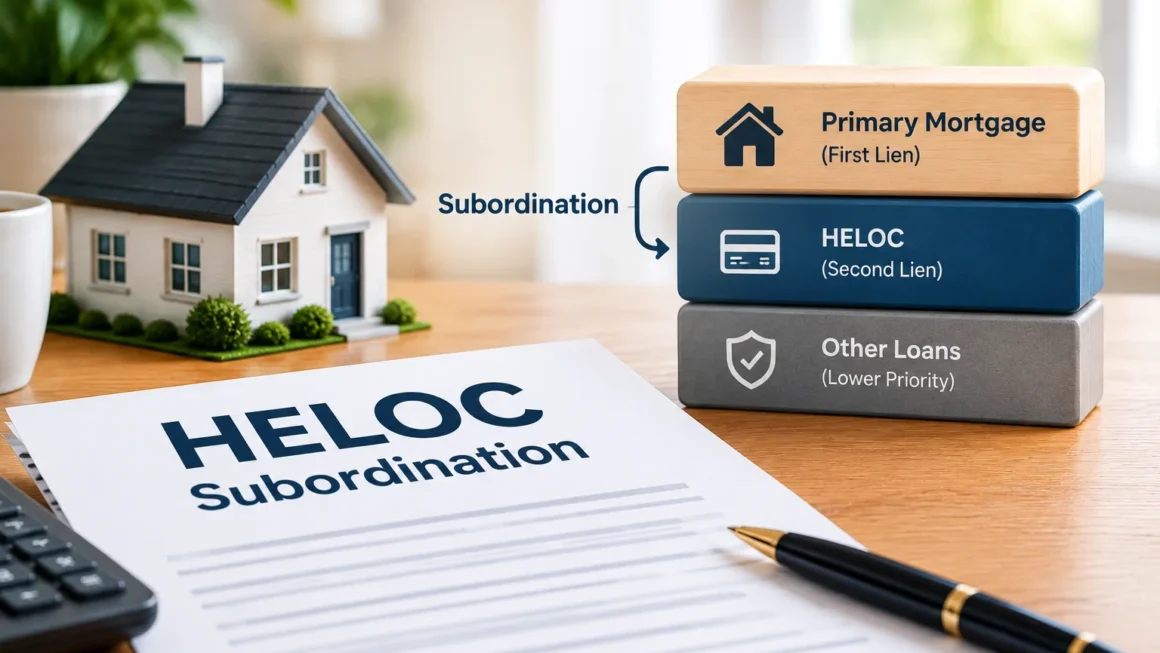
A home equity loan or HELOC typically offers the lowest interest rates for major home repairs if you have equity built up in your home. Interest may also be tax-deductible when used for home improvements. A personal loan from a bank, credit union, or online lender is an option without tapping your home equity, though rates will be higher. Contractor financing through point-of-sale lending partners can be convenient, but read the terms carefully — some promotional 0% offers carry deferred interest that activates if the balance isn’t paid during the promotional period.
Government programs through HUD, the USDA Rural Development program, and state housing finance agencies sometimes provide low-interest loans or grants for home repairs, particularly for low-income homeowners, seniors, or veterans. If you’re purchasing a home needing significant foundation work, an FHA 203(k) rehabilitation loan allows you to roll repair costs into your mortgage — a useful tool for buyers who discover issues during inspection.
Foundation Repair and Home Resale Value
Many homeowners worry that foundation repairs will hurt their home’s resale value. The reality is nuanced. Unrepaired foundation problems will almost certainly reduce your home’s value and make it harder to sell. Buyers and their agents are sophisticated about foundation issues — home inspectors specifically look for signs of damage, and when problems are discovered without documentation of repair, buyers will either walk away or demand a price reduction that often exceeds the actual cost of the repair work itself.
On the other hand, a home with documented foundation repairs, a transferable lifetime warranty from a reputable company, and a clean inspection report can sell at full market value. Transparency, documentation, and a contractor whose warranty passes to the new buyer turn a liability into a selling point.
Preventative Maintenance to Protect Your Foundation
The best foundation repair is the one you never need. Maintaining consistent soil moisture around your foundation is especially important in expansive clay soil areas — during drought conditions, water the soil around your home’s perimeter to prevent excessive shrinkage. Ensure proper drainage by making sure the ground slopes away from your foundation at a rate of at least six inches over 10 feet. Keep gutters and downspouts clean and extend them to direct water at least 10 feet away from the house. Inspect your plumbing regularly, since leaking pipes beneath or near the foundation are a major cause of damage. Be mindful of tree and shrub root growth, as large trees planted close to the home can disrupt soil moisture and physically damage the foundation. Monitor any existing cracks, documenting their size and location and checking periodically to see if they grow. In cold climates, insulate foundation walls and crawl spaces to prevent freeze-thaw damage.
Final Thoughts: Invest in Your Foundation, Protect Your Home
Foundation problems can feel overwhelming, but they are almost always solvable when addressed promptly and handled by qualified professionals. The key takeaways are simple: learn to recognize the warning signs early, understand what drives repair costs in your area, thoroughly vet contractors before hiring, and never delay necessary repairs.
Your foundation is your home’s most important structural element. Every year you postpone addressing a problem, you risk more extensive damage, higher repair costs, reduced home value, and potential safety hazards. The earlier you act, the more options you have — and the less expensive those options tend to be.
When searching for foundation repair contractors near you, prioritize experience, licensing, insurance, verified reviews, and clear warranty terms over the lowest price. A properly repaired foundation with a solid, transferable warranty is one of the best investments you can make in your home’s long-term structural health and market value. Schedule that inspection, collect your quotes, and protect the investment you’ve worked so hard to build.
In another related article, Roof Repair & Roof Replacement Cost Guide (2026 Update)