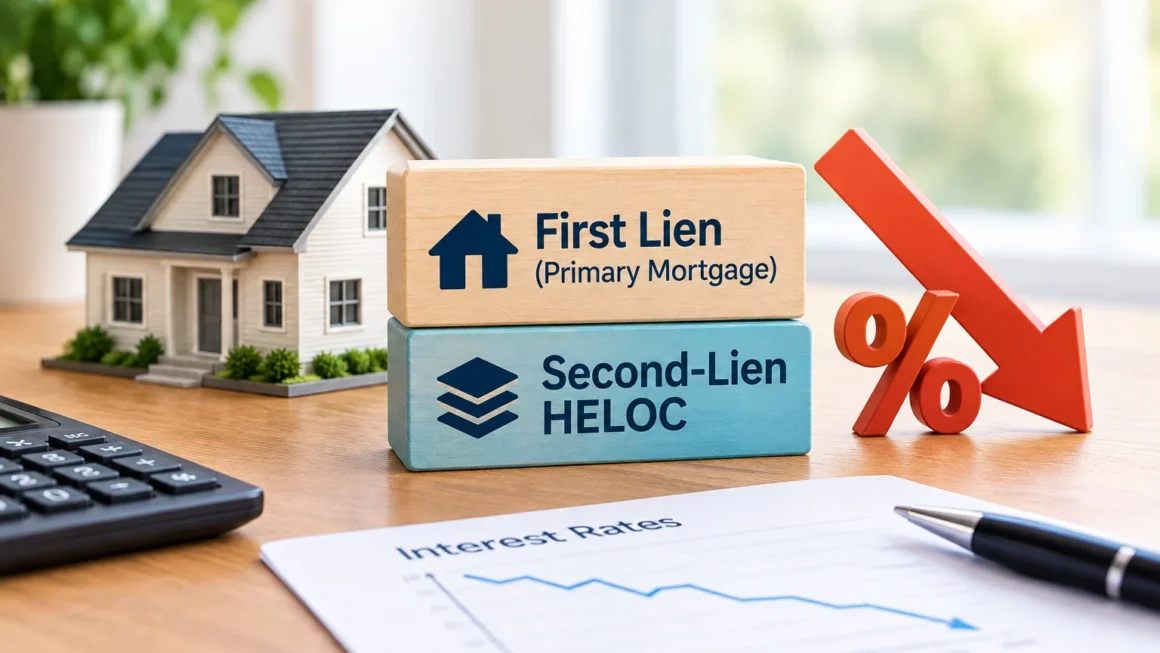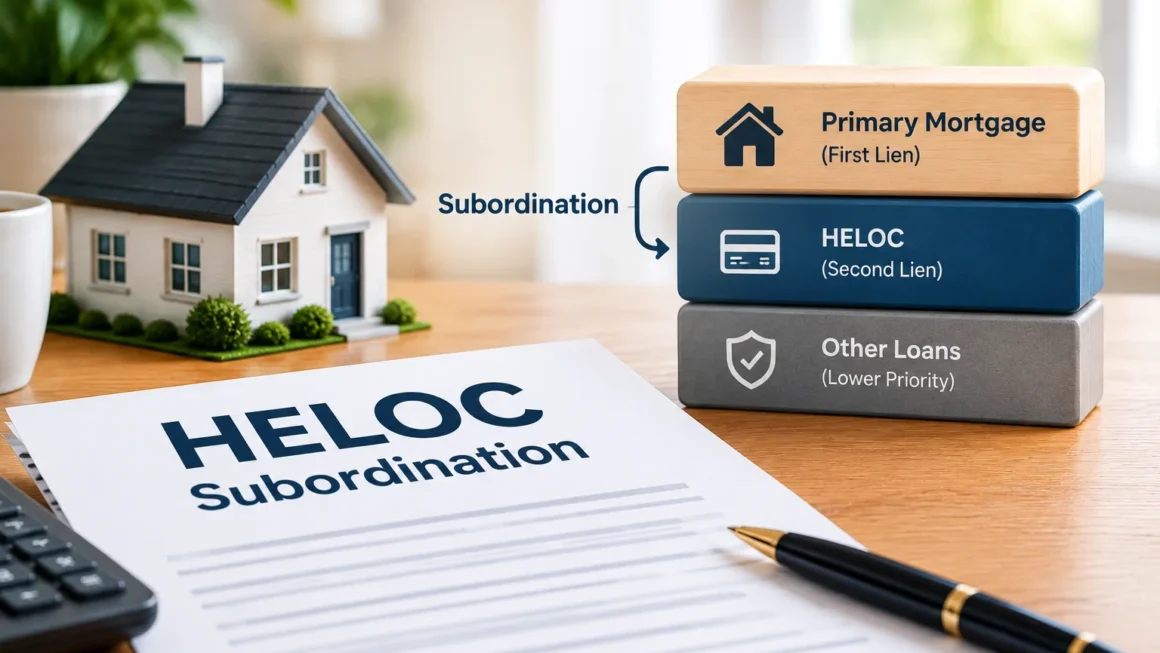

Most homeowners think of a HELOC freeze or reduction as something that only happens to people who’ve fallen behind on payments. That’s a reasonable assumption, but it’s incomplete. Federal law gives lenders the right to suspend or cut your credit line for several reasons that have nothing to do with whether you’ve paid on time, and many borrowers only learn about these provisions when a notice shows up in the mail.
Understanding exactly what can trigger this, what the law actually requires of lenders, and what rights you have in response can save you from a nasty surprise and help you respond effectively if it happens. This article walks through every legally recognized trigger for a HELOC freeze or reduction, what the process looks like from notice to resolution, and what you can do to protect your access to credit.
The Legal Basis: Regulation Z and the Truth in Lending Act
HELOCs are open-end credit, which means they’re governed by a different set of rules than closed-end loans, like a fixed-rate home equity loan or your primary mortgage. The relevant regulation is Regulation Z, which implements the Truth in Lending Act (TILA) and specifically addresses home equity lines of credit.
Within Regulation Z, there’s a defined list of circumstances under which a lender is permitted to freeze (suspend further draws) or reduce your credit limit. This list isn’t a vague industry custom — it’s spelled out in federal rule, and lenders generally cannot act outside of it without exposing themselves to legal risk. That’s actually good news for borrowers, because it means a lender can’t freeze your line just because they feel nervous about the economy in general. They need to point to one of the specific, recognized triggers.
It’s worth noting upfront that a lender closing your account entirely (rather than freezing or reducing it) is sometimes governed by slightly different terms in your specific agreement, and account closure for reasons like the end of the draw period is a normal, expected event rather than an adverse action. This article focuses specifically on freezes and reductions that happen mid-term, outside of the normal lifecycle of the loan.
The Recognized Triggers, One by One
1. A Significant Decline in Home Value
This is probably the most well-known trigger, and it’s grounded directly in how HELOCs are structured. Your credit line is sized based on your combined loan-to-value ratio (CLTV) — your primary mortgage plus your HELOC limit, divided by your home’s value. If your home’s value drops significantly, the math behind your original limit no longer holds, and the lender can reduce the limit or freeze new draws to bring exposure back in line with their underwriting standards.
For example, if your home was valued at $380,000 and your lender capped CLTV at 85%, with a $240,000 existing mortgage:
$380,000 × 0.85 = $323,000 $323,000 − $240,000 = $83,000 maximum HELOC
If a regional downturn drops your home’s value to $330,000:
$330,000 × 0.85 = $280,500. $280,500 − $240,000 = $40,500 new maximum HELOC
That’s roughly a 51% cut, triggered entirely by market conditions rather than anything you did.
2. A Material Change in Your Financial Circumstances
This trigger is broader and, in some ways, more unpredictable than the value-decline trigger because it’s based on your personal financial profile rather than the property itself. Regulation Z permits action when the lender reasonably believes you’ll be unable to fulfill your repayment obligations under the terms of the agreement due to a material change in your financial circumstances.
What counts as “material” isn’t rigidly defined, but in practice, lenders typically watch for:
A significant, documented drop in income, such as a job loss or reduction in hours, especially if it surfaces through updated tax documents, payroll data, or a request you make for a separate financial product.
A sharp deterioration in your credit score, often triggered by accounts going to collections, a bankruptcy filing, or a sudden spike in other debt obligations that affects your overall debt-to-income ratio.
New liens or judgments against the property or against you personally, such as a tax lien, signal increased financial distress and put the lender’s secured position at greater risk.
Unlike the value-decline trigger, this one is about you specifically, not the broader market, so it can happen even in a stable or appreciating housing market if your personal financial situation changes significantly.
3. Default Under the Terms of the Agreement
This is the most intuitive trigger and the one most people expect: missing payments, or otherwise violating specific terms in your HELOC agreement, such as failing to maintain required homeowners’ insurance or letting property taxes go delinquent (which itself can create a lien that takes priority over the HELOC).
Default-based freezes or closures tend to come with more aggressive consequences than the other categories, since they can sometimes lead to acceleration of the full balance or, in serious and prolonged cases, foreclosure proceedings, since a HELOC is secured by your home just like your primary mortgage.
4. Government Action Limiting the Lender’s Rate or Lending Authority
This is a more obscure trigger, but it exists: if a government body imposes a usury limit or similar restriction that affects the lender’s ability to charge the agreed-upon Annual Percentage Rate, the lender is permitted to suspend the line. This is rare in practice for most consumer borrowers, but it is written into the regulation to cover edge cases involving rate caps or regulatory shifts.
5. The Lender’s Security Interest Becomes Inadequate Due to a Regulatory Change
This trigger covers situations where a change in law affects the priority or enforceability of the lender’s lien on your home — for example, a new state law that alters lien priority in a way that weakens the lender’s secured position. Like the previous trigger, it’s uncommon in everyday borrower experience but is technically part of the recognized list.
6. You’re in Default on a Material Obligation Under the Agreement (Beyond Missed Payments)
This overlaps somewhat with trigger #3 but covers broader contractual violations, such as committing fraud in your original application (for example, materially overstating income), or violating specific covenants in the agreement, such as renting out a property that was financed as an owner-occupied residence when the terms require it to remain your primary home.
Comparison Table: HELOC Freeze and Reduction Triggers
| Trigger | Based on you or the market? | Common warning signs | Typical severity |
| Home value decline | Market | Falling local home prices, rising inventory | Reduction or freeze |
| Material change in financial circumstances | You | Income drop, credit score decline, new debt | Reduction or freeze |
| Default on payment terms | You | Missed or late payments | Freeze, possible acceleration |
| Lapsed insurance or unpaid property taxes | You | Insurance cancellation notice, tax delinquency notice | Freeze, possible default |
| Government rate/usury restriction | Market/regulatory | Rare; tied to legislative action | Freeze |
| Lien priority impaired by law change | Market/regulatory | Rare; tied to legislative action | Freeze |
| Fraud or covenant violation in the application | You | Misrepresented income, occupancy violation | Freeze or closure |
What Happens to Your Existing Balance When a Freeze or Reduction Occurs
This is one of the most important distinctions to understand, and it’s consistent across nearly all of these triggers: a freeze or reduction restricts your access to additional credit. It does not, by itself, change your obligation to repay what you’ve already borrowed.
If you have a $50,000 balance on a HELOC and the lender freezes the line due to a value decline, you still owe that $50,000 on the original repayment schedule — same interest rate structure, same draw-to-repayment timeline (unless your specific agreement says otherwise). The freeze simply means you can’t pull additional funds until the lender lifts the restriction.
The exception is the default trigger. If you’re frozen out due to missed payments or a serious covenant violation, your agreement may also allow the lender to accelerate the balance, demanding the full amount due immediately, and in the most serious and prolonged cases, pursue foreclosure since the HELOC is secured by your home. This is why a default-based freeze is meaningfully more serious than a value- or circumstance-based one.
What the Law Requires Lenders to Tell You
Regulation Z doesn’t just give lenders the right to take these actions — it also imposes specific disclosure obligations designed to protect borrowers from being blindsided without explanation.
When a lender suspends your credit privileges or reduces your credit limit, they’re generally required to mail or deliver a written notice that includes the specific reason for the action. Vague language like “due to market conditions” without further detail typically isn’t sufficient — you’re entitled to understand the actual basis, such as a specific reappraisal result or a specific change in your credit profile.
You’re also generally entitled to request reinstatement once the condition that triggered the action has been resolved, and the lender has an obligation to investigate and respond to that request within a reasonable timeframe, typically defined in the regulation as within 30 days, though specific timelines can vary by circumstance and by your agreement’s exact language.
If you believe the action was taken in error — for example, the lender relied on an automated valuation that doesn’t reflect your home’s actual condition, or pulled a credit report that contains an error — you have the right to dispute it, and you may want to involve the Consumer Financial Protection Bureau if you feel the lender is unresponsive to a legitimate dispute.
A Real-World Walkthrough: How a Reduction Notice Plays Out
To make this concrete, here’s what a typical sequence looks like when a value-based reduction happens:
Step 1: The lender runs a portfolio-wide review, often using an automated valuation model, after noticing broader price softness in a metro area or specific zip codes.
Step 2: Accounts flagged as having a CLTV that now exceeds the lender’s threshold are queued for action. This usually happens in batches rather than individually, which is part of why these events often hit many borrowers in the same region simultaneously.
Step 3: The lender sends written notice, typically by mail, stating the credit line has been suspended or reduced, the effective date, and the specific reason (e.g., “a decline in the value of the property securing your line of credit”).
Step 4: You have the right to request the underlying valuation data and to submit your own evidence, such as a new appraisal, broker price opinion, or recent comparable sales, to challenge the figure used.
Step 5: If you provide compelling evidence that the value hasn’t actually declined as much as the lender’s model suggests, the lender is required to investigate and respond. If your evidence supports it, the line should be reinstated; if not, the reduction stands until conditions change.
What If the Trigger Is Your Credit or Income, Not the Property?
If you’re frozen out due to a material change in your financial circumstances rather than a property value issue, the notice and reinstatement process is broadly similar, but the evidence you’d need to provide is different. Instead of an appraisal, you’d typically need to demonstrate restored income (new pay stubs, an offer letter, updated tax returns) or an improved credit profile (updated credit report, proof that a disputed item was removed, evidence that a delinquent account was resolved).
This is sometimes harder to reverse quickly than a value-based freeze, since income and credit recovery often take longer than a market correcting itself, and lenders may want to see a sustained pattern (several months of stable income, for example) rather than a single data point before reinstating.
Can You Prevent a Freeze or Reduction Before It Happens?
There’s no foolproof way to guarantee a lender never takes this kind of action, since much of it depends on market and economic conditions outside your control. But there are practical steps that meaningfully reduce your risk:
Avoid maxing out your line. Borrowers who’ve drawn close to their full limit have far less cushion if the limit gets recalculated downward. Keeping a buffer between what you’ve drawn and your maximum limit gives you room to absorb a reduction without immediately exceeding the new cap.
Stay current on property taxes and insurance. These are two of the more avoidable triggers, since they’re entirely within your control and unrelated to broader market forces.
Monitor your credit profile proactively. Since material credit deterioration is a recognized trigger, keeping an eye on your credit report and addressing errors or delinquencies quickly reduces the odds of this becoming a problem.
Keep documentation of your income and assets organized. If a lender ever questions your financial circumstances, being able to respond quickly with clear, current documentation can speed up resolution.
Understand your specific agreement’s language. Not all HELOC contracts are identical — some lenders define “material change” or “significant decline” more conservatively than others, and reviewing your specific agreement (or asking your loan officer directly) gives you a clearer sense of what would actually trigger action for your particular loan.
What to Do If You Receive a Freeze or Reduction Notice
If a notice arrives, a methodical response tends to work better than an emotional one:
Read the notice carefully to identify the specific stated reason. This determines what kind of evidence or response will actually be useful.
Request the supporting data. Ask in writing for the valuation, credit report, or other documentation the lender relied on.
Gather your own counter-evidence if you believe the action is wrong. This might be a recent appraisal, comparable sales data, updated pay stubs, or a corrected credit report.
Submit a formal reinstatement request. Most lenders have a specific process for this; ask your servicer directly what form or documentation they require.
Escalate if you’re not getting a response. If your lender is unresponsive or you believe they’re not following proper procedure, the Consumer Financial Protection Bureau accepts complaints related to HELOC servicing issues, and a state banking regulator may also be a useful resource depending on your jurisdiction.
Consider your repayment strategy regardless of the outcome. Whether or not your line gets reinstated, remember that your existing balance still needs to be repaid on schedule. If cash flow is tight, talk to your servicer about your options before a reduction turns into a missed payment, which would introduce a much more serious trigger into the mix.
Frequently Asked Questions
Can a lender freeze my HELOC without warning? The freeze or reduction itself can happen without warning, since lenders aren’t required to notify you before taking the action. However, they are required to provide written notice afterward explaining the specific reason.
Is a HELOC freeze the same as account closure? No. A freeze typically means you can’t draw additional funds, but the account remains open, and you continue repaying your existing balance under the original terms. Closure is more severe and permanent, and is usually reserved for serious situations like default or fraud.
Can I sue my lender if I think a freeze was unjustified? You generally have the right to dispute the action through the lender’s internal process first, and escalate to regulators like the CFPB if unresolved. Whether litigation is appropriate depends heavily on the specifics of your situation, and this is a question best directed to a consumer protection or real estate attorney.
Does a HELOC freeze appear on my credit report? The freeze or reduction itself typically isn’t reported as a negative item in the way a late payment would be, but a reduced credit limit can affect your credit utilization ratio, which is a factor in your credit score.
If my income recovers, will my HELOC automatically reinstate? Not automatically. You typically need to proactively request reinstatement and provide updated documentation demonstrating the change.
Can a lender reduce my HELOC just because interest rates went up? Rising rates alone, without an accompanying value decline, credit deterioration, or default, generally isn’t a recognized trigger under Regulation Z. Rate increases on a variable-rate HELOC affect your cost of borrowing, not your access to the line itself, unless paired with one of the recognized triggers above.
The Bottom Line
A HELOC freeze or reduction can feel arbitrary when the notice lands in your mailbox, but it’s almost always tied to one of a specific, legally defined set of triggers — most commonly a decline in your home’s value, a material change in your financial picture, or an outright default. Knowing which category applies to your situation determines what kind of response is actually likely to work, whether that’s a fresh appraisal, updated income documentation, or simply staying current on payments until conditions improve.
The most useful mindset to carry into HELOC borrowing is that your credit limit reflects a snapshot in time, not a permanent guarantee. Building in some cushion — both in how much of your limit you draw and in your broader financial planning — gives you more room to absorb one of these actions if it ever happens, rather than being caught flat-footed.