Across the United States, homeowners are quietly transforming their properties into income-generating assets — not by flipping houses or buying rental properties, but by building a second unit right on the land they already own. Accessory dwelling units, commonly known as ADUs, have exploded in popularity over the past several years, driven by housing shortages, zoning reform, rising rents, and a growing recognition that underutilized backyard space can be worth serious money.
But building an ADU costs money — often between $100,000 and $350,000, depending on size, type, and location. That raises an immediate question for most homeowners: how do you pay for it?
For homeowners who have built up meaningful equity in their primary residence, a Home Equity Line of Credit (HELOC) is one of the most strategically sound financing tools available. It’s flexible, relatively affordable compared to construction loans or personal loans, and it draws on an asset you already own. But using a HELOC to fund an ADU project isn’t as simple as opening the line and writing checks. It requires careful planning, a solid understanding of how HELOCs work in the context of construction, and a clear picture of the financial outcome you’re building toward.
This guide walks you through every stage of the process — from understanding what an ADU is and what it costs, to qualifying for a HELOC, managing the money through construction, and evaluating whether the investment will pay off.
What Is an ADU and Why Are Homeowners Building Them?
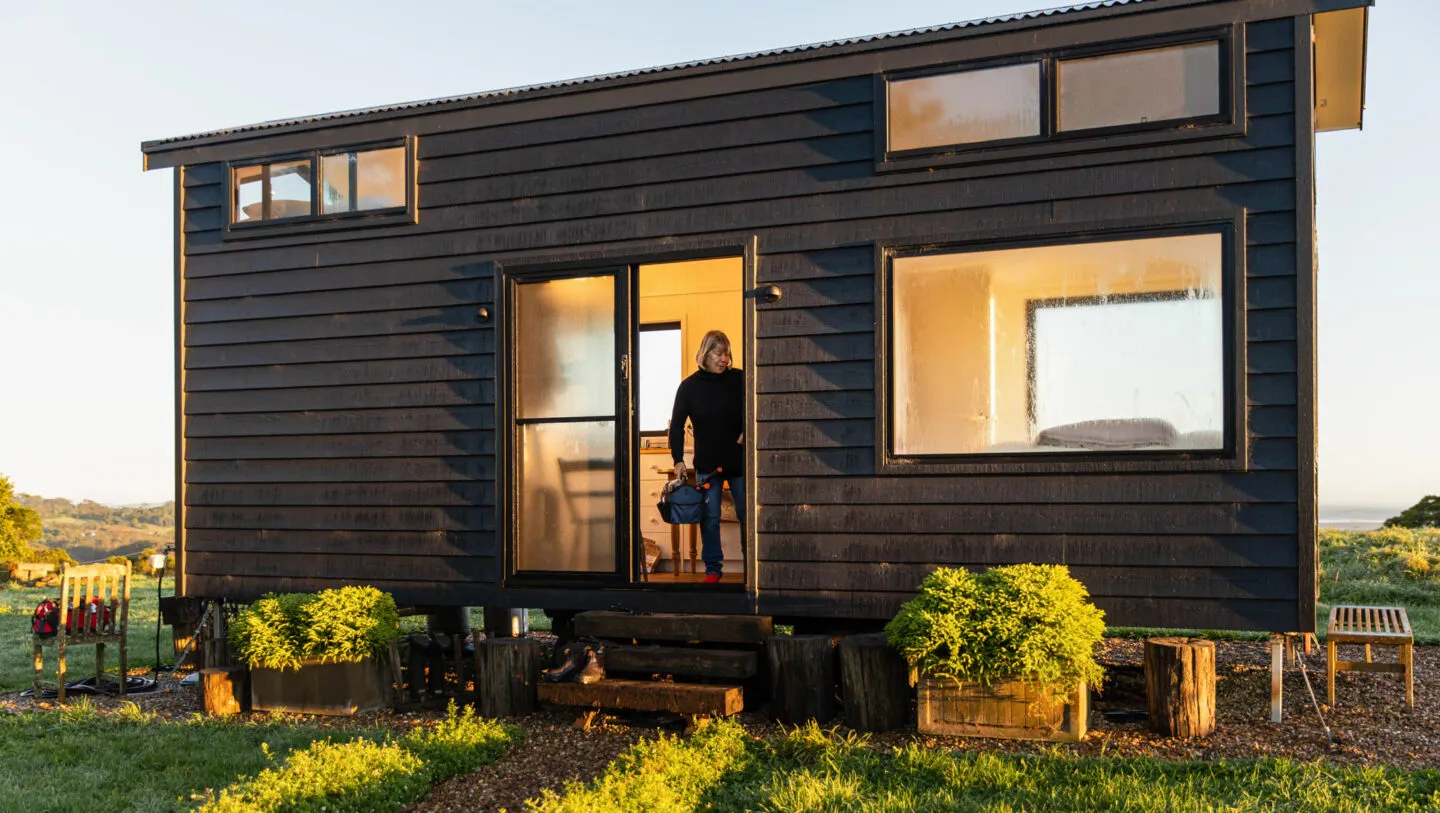
An accessory dwelling unit is a secondary residential unit located on the same lot as a primary single-family home. ADUs come in several physical forms:
Detached ADUs are standalone structures built in the backyard, separate from the main house. These are the most expensive to build but also the most desirable to renters and the most valuable to appraisers.
Attached ADUs are added directly onto the existing home structure — a side addition or rear extension that creates a self-contained living space with its own entrance, kitchen, and bathroom.
Garage Conversion ADUs involve converting an existing attached or detached garage into a livable unit. These are among the most cost-effective ADU types because the structure already exists.
Junior ADUs (JADUs) are smaller units — typically under 500 square feet — created within the existing footprint of the primary home, often from a converted bedroom or basement.
The motivations for building an ADU vary widely. Some homeowners build one to house aging parents or adult children while maintaining privacy and independence for both households. Others build purely for rental income — in high-rent metros, a well-positioned ADU can generate $1,500 to $3,500 or more per month in gross rent. Still others build with resale value in mind, recognizing that a property with a permitted, income-producing ADU commands a premium on the open market.
What’s driving the national surge in ADU construction? A combination of state-level zoning reform (California, Oregon, Washington, and others have passed sweeping laws making ADU permitting dramatically easier), a severe national housing shortage that has pushed rents to historic highs, and a growing body of homeowners who watched their equity accumulate during the pandemic-era real estate boom and are now looking for ways to put that equity to work productively.
Why a HELOC Is a Strong Fit for ADU Construction Financing
Before diving into the mechanics of how to use a HELOC for this purpose, it’s worth understanding why it’s well-suited to construction projects in general — and ADU projects in particular.
Flexibility Matches Construction Cash Flow
Construction projects don’t require all their funding on day one. A contractor typically works in phases — site preparation, foundation, framing, roofing, rough-in mechanical work, insulation, drywall, finishes, and final inspections. Each phase has its own cost, and payments are made in draws as work is completed.
A HELOC mirrors this structure naturally. Rather than borrowing a lump sum and paying interest on the entire amount from day one, you draw what you need when you need it. During the early phases of construction, you might draw $20,000. As framing progresses, another $35,000. As the interior finishes are completed, another $40,000. You pay interest only on what you’ve drawn, which keeps your carrying costs lower during the build phase.
This is a meaningful advantage over a traditional home equity loan, which delivers funds in a single lump sum and begins accruing interest on the full balance immediately — even if you’re not ready to spend it yet.
Lower Cost Than Construction Loans
Standalone construction loans — specifically designed for building projects — are available but tend to be more expensive and more complicated than HELOCs. They typically carry higher interest rates, require detailed builder approvals, demand multiple inspections before releasing funds, and often must be converted to permanent financing (a “construction-to-permanent” loan) at the end of the project. The origination and conversion costs can add up quickly.
A HELOC secured against your existing home equity sidesteps much of that complexity. The underwriting is based on your equity and creditworthiness, not on detailed construction plans and contractor vetting by the bank. The rate is typically lower. And the draw process is under your control rather than tied to a lender-managed inspection schedule.
Interest Rates Are Lower Than Alternatives
Personal loans for home improvement projects can carry interest rates of 10–18% or higher, particularly for larger amounts. Credit cards are even more expensive. A HELOC, secured by real estate, typically carries rates in the 8–10% range (variable, tied to the prime rate) for well-qualified borrowers — meaningfully cheaper for a project that may take 12 to 18 months to complete.
The ADU Adds Value That Can Repay the Equity Used
Perhaps the most compelling argument for using a HELOC to build an ADU is that the ADU itself generates value. A well-built ADU in the right market can increase your property’s market value by more than it costs to build. It can generate rental income that services the HELOC repayment. And it can significantly improve the home’s appeal to future buyers who value the income potential or multigenerational flexibility.
In other words, unlike using equity to fund a vacation or buy a car, using it to build an ADU is a wealth-building move — you’re converting one form of equity (cash access from your home’s current value) into another (increased long-term property value plus ongoing income).
Step 1: Understand Your Equity Position and HELOC Eligibility
Before you can use a HELOC to build an ADU, you need to qualify for one — and that starts with understanding where you stand financially.
Calculate Your Available Equity
Most HELOC lenders will allow you to borrow up to 80–85% of your home’s current market value, minus whatever you still owe on your mortgage. This is expressed as a combined loan-to-value ratio (CLTV).
Here’s a working example:
- Current home market value: $600,000
- Outstanding mortgage balance: $320,000
- Maximum CLTV allowed by lender: 85%
- Maximum combined borrowing: $600,000 × 85% = $510,000
- Less existing mortgage: $510,000 − $320,000 = $190,000 available HELOC limit
In this scenario, the homeowner could potentially access up to $190,000 through a HELOC — a meaningful budget for a detached ADU or garage conversion in many markets.
If your equity position is more limited — say, you bought recently or put less than 20% down — your available HELOC credit may not be sufficient to cover the full cost of construction. In that case, you may need to combine a HELOC with other funding sources, such as personal savings, a contractor financing arrangement, or a separate renovation loan.
Meet Lender Requirements
Beyond equity, HELOC lenders evaluate several other factors:
Credit score: Most lenders require a minimum score of 620–640, but the best rates go to borrowers with scores above 720. If your score needs improvement, spending six to twelve months reducing credit card balances and resolving any derogatory items before applying can meaningfully improve your rate.
Debt-to-income ratio (DTI): Lenders want to see that your existing monthly debt obligations — including the new HELOC payments — don’t exceed 43–45% of your gross monthly income. If your current DTI is already high, you may qualify for a smaller credit line than you need.
Employment and income verification: W-2 employees typically have straightforward documentation requirements. Self-employed borrowers face more scrutiny and may need to provide two years of tax returns along with profit and loss statements.
Home appraisal: The lender will order a professional appraisal to determine your home’s current market value, which forms the basis for your maximum HELOC calculation. A higher appraisal means more available equity; a lower one may reduce your credit line.
Step 2: Research ADU Regulations in Your Area
Before you design anything or spend a dollar on materials, you need to know whether you’re legally allowed to build an ADU on your property and what the specific requirements are.
Zoning and Local Ordinances
ADU regulations vary dramatically by city and county. In California, state law now largely preempts local restrictions and allows ADUs on most single-family and multifamily lots — a model other states are beginning to follow. But in many other jurisdictions, zoning codes still impose significant limitations, including minimum lot size requirements, maximum ADU square footage caps, setback requirements (how far the structure must be from property lines), owner-occupancy mandates, and parking requirements.
Contact your local planning or building department before committing to a project. Most have online portals where you can look up your parcel’s zoning designation and review ADU-specific regulations. Some jurisdictions have dedicated ADU pre-approval or pre-designed unit programs that can dramatically speed up the permitting process.
HOA Restrictions
If your property is subject to a homeowners association, the HOA’s CC&Rs (Covenants, Conditions, and Restrictions) may limit or prohibit ADU construction regardless of what local zoning allows. Review your HOA documents carefully and, if in doubt, submit a written inquiry to the HOA board before investing in design and planning.
Permit Requirements
Building an ADU without permits is a serious mistake — one that can result in fines, forced demolition, and a property that cannot be sold or refinanced without disclosing the unpermitted structure. Always build with proper permits. A permitted ADU is a legal, appraised, income-producing asset. An unpermitted structure is a liability.
Step 3: Develop a Realistic Budget and Construction Plan
Once you’ve confirmed your regulatory eligibility and your HELOC capacity, the next step is building a realistic budget.
ADU Cost Ranges by Type
ADU construction costs vary widely based on type, size, finishes, local labor markets, and site conditions. As a general benchmark:
Garage conversions: $50,000–$150,000. The existing structure reduces foundation and framing costs, but you still need to add insulation, HVAC, plumbing, electrical upgrades, windows, and interior finishes.
Junior ADUs (JADUs): $20,000–$80,000. These involve the least construction since you’re working within the existing home footprint. Most of the cost goes to plumbing for a kitchenette and bathroom, and permitting.
Attached ADUs: $100,000–$250,000. Adding a structural addition to an existing home involves foundation work, framing, roofing, and full mechanical systems.
Detached ADUs: $150,000–$350,000+. A fully standalone structure requires everything — foundation, framing, roofing, all mechanical systems, landscaping around the new structure, and potentially utility line extensions.
Prefabricated and modular ADU units have emerged as a cost-saving alternative. Some companies deliver a fully built modular unit to your lot for installation, with all-in costs (including site prep and installation) ranging from $80,000 to $200,000. These can reduce construction time from 12–18 months to as little as 3–6 months.
Build in a Contingency
Construction projects almost universally encounter unexpected costs — buried utilities that require rerouting, soil conditions that complicate foundation work, permit delays that extend contractor timelines, or material cost increases. Plan for a 15–20% contingency on top of your base construction budget.
If your contractor quotes $180,000, your effective budget planning should account for up to $210,000–$216,000. Structure your HELOC draw plan around this full number, not the base quote.
Get Multiple Bids
Obtain bids from at least three licensed, insured general contractors who have specific ADU experience in your area. ADU construction has nuances — permitting familiarity, subcontractor relationships, and knowledge of local inspection requirements — that a contractor without ADU experience may not handle efficiently. Ask each bidder to provide a detailed scope of work so you’re comparing apples to apples.
Step 4: Structure Your HELOC Draws to Match Construction Phases
Using a HELOC efficiently for a construction project means aligning your draws with the natural phases of the build — pulling funds as needed rather than drawing large sums speculatively.
A typical draw schedule for a detached ADU project might look like this:
Pre-construction (Month 1–2):
- Permit fees and architectural/design costs: $8,000–$20,000
- Site survey and soil testing (if required): $2,000–$5,000
- Contractor deposit (typically 10% of contract): $15,000–$25,000
- Total early draw: $25,000–$50,000
Foundation and framing (Month 2–4):
- Excavation and foundation work: $15,000–$40,000
- Framing labor and materials: $20,000–$50,000
- Draw at this phase: $35,000–$90,000
Roofing and rough mechanical (Month 4–6):
- Roofing: $8,000–$20,000
- Rough plumbing, electrical, HVAC: $25,000–$50,000
- Draw at this phase: $33,000–$70,000
Insulation, drywall, and finishes (Month 6–10):
- Insulation and drywall: $10,000–$25,000
- Flooring, cabinetry, fixtures, appliances: $20,000–$60,000
- Exterior finishes and landscaping: $10,000–$30,000
- Draw at this phase: $40,000–$115,000
Final inspections and completion (Month 10–14):
- Final contractor payments: $10,000–$30,000
- Punch list items, final fixtures: $5,000–$15,000
- Draw at this phase: $15,000–$45,000
Throughout this process, maintain meticulous records of every draw, every payment to contractors, and every receipt. This documentation serves multiple purposes: it helps you track actual costs versus budget, supports any future refinancing or appraisal of the completed property, and substantiates your interest deduction claim if you’re deducting HELOC interest on your taxes (applicable when funds are used to improve the secured property).
Step 5: Manage the Construction Process Actively
Financing an ADU with a HELOC means you are effectively the project owner. The money comes from your account, and you are responsible for disbursing it appropriately. This requires active engagement with the construction process — not just writing checks.
Use a Draw Inspection Service
Even though your HELOC lender doesn’t require a formal inspection before releasing funds (unlike construction loans), consider hiring an independent construction inspector or project manager to verify that work has been completed as described before you release each draw payment to your contractor. This is a relatively modest expense — typically $200–$500 per inspection — that provides meaningful protection against overpaying for incomplete work.
Never Pay the Full Contract Upfront
A reputable contractor will not ask for more than 10–15% as an initial deposit. Payment should be tied to completed milestones, not to the contractor’s payment schedule preferences. Withhold a meaningful final retainage — typically 10% of the contract total — until all punch list items are resolved and the certificate of occupancy has been issued.
Document Change Orders
Scope changes during construction — adding a feature, upgrading a material, changing a layout — should always be documented as written change orders with agreed pricing before the work proceeds. Verbal agreements about changes are a frequent source of contractor disputes and cost overruns.
Step 6: Plan Your HELOC Repayment Strategy Before You Build
One of the most common mistakes homeowners make when using a HELOC for ADU construction is entering the project without a clear repayment plan. The draw period of a HELOC — typically 10 years — may feel long, but the repayment period that follows can create significant payment shock if the balance is large.
Option 1: Repay With Rental Income
If your ADU is intended as a rental unit, model the income carefully. Research actual rents for comparable units in your neighborhood using platforms like Zillow, Apartments.com, or Rentometer. Subtract vacancy allowance (typically 5–8%), property management fees if applicable (8–12% of rent), maintenance reserves, and any incremental property tax or insurance costs.
The net rental income should comfortably cover your HELOC interest payments during the draw period, with a portion remaining to accelerate principal paydown or build a property reserve fund.
Example:
- Gross monthly rent: $2,200
- Vacancy allowance (7%): −$154
- Maintenance reserve: −$150
- Net monthly income: ~$1,896
- Monthly HELOC interest at 9% on $180,000 drawn: ~$1,350
- Monthly surplus toward principal or reserves: ~$546
In this scenario, the ADU cash flows positively from day one and gradually pays down the HELOC balance.
Option 2: Refinance After Completion
Once the ADU is built and permitted, your property’s appraised value will increase — potentially significantly. Some homeowners use this increased value to execute a cash-out refinance that pays off the HELOC balance and rolls the ADU debt into a longer-term, fixed-rate mortgage. This converts variable HELOC debt into stable, predictable mortgage debt.
This strategy makes the most sense when the new mortgage rate is competitive, and the monthly payment for the combined loan is manageable relative to your income and the property’s cash flow.
Option 3: Sell the Property
If your long-term plan is to eventually sell the home, the ADU investment may deliver its return primarily through appreciation in sale price rather than annual rental income. A well-built permitted ADU in a high-demand market can add $150,000 to $400,000 to a home’s market value — often significantly more than the construction cost.
In this scenario, the HELOC is repaid at closing from sale proceeds, and the remaining equity represents your net return on the project.
The Financial Case: Does Building an ADU With a HELOC Make Sense?
Let’s look at a complete financial picture to evaluate whether this strategy holds up under scrutiny.
Assumptions:
- Home current value: $700,000
- Current mortgage balance: $380,000
- Available HELOC (at 85% CLTV): up to $215,000
- ADU construction cost: $185,000 (detached, 650 sq ft)
- HELOC rate: 9% variable
- Estimated ADU gross rent: $2,400/month
- Estimated post-ADU property value: $900,000–$950,000
Annual rental income (net of vacancy and reserves): ~$25,000 Annual HELOC interest cost (on $185,000 at 9%): ~$16,650 Net annual cash flow before taxes: ~$8,350
Equity creation:
- New property value: $925,000 (midpoint estimate)
- Original value: $700,000
- Value increase attributable to ADU: $225,000
- ADU construction cost: $185,000
- Equity gain above construction cost: $40,000
In this example, the homeowner creates a positive cash flow from year one, captures $40,000 in immediate equity gain above construction cost, and owns a property worth $225,000 more than before — all while the HELOC interest is potentially tax-deductible (consult a tax advisor to confirm eligibility based on your specific situation).
The risk, of course, is that construction costs run over budget, rents come in below expectations, or the property’s value appreciation is less than projected. These risks are real and should be modeled conservatively.
Common Mistakes to Avoid
Underestimating costs: ADU projects routinely run 15–25% over initial contractor bids due to change orders, permit delays, and unforeseen site conditions. Always budget for a full contingency before you begin.
Skipping permits: An unpermitted ADU cannot be legally rented in most jurisdictions, cannot be appraised as a value-adding unit, and must be disclosed as an unpermitted structure in any future sale. The short-term cost savings of skipping permits create long-term legal and financial exposure that far exceeds the fees saved.
Drawing the full HELOC before it’s needed: Interest accrues on drawn balances. Drawing $185,000 on day one when you won’t spend it for eight months costs thousands of dollars in unnecessary interest. Draw incrementally in line with actual project costs.
Choosing a contractor based on price alone: The cheapest bid is frequently not the best value. A low bidder who lacks ADU experience, licensed subcontractors, or organizational capacity can turn into an expensive, prolonged nightmare. Check references, verify licensing, and prioritize track record over bid price.
Ignoring the repayment plan: The HELOC draw period will end. If you haven’t established a repayment strategy — whether through rental income, refinancing, or savings — you may face a significant payment adjustment that strains your monthly budget.
Frequently Asked Questions
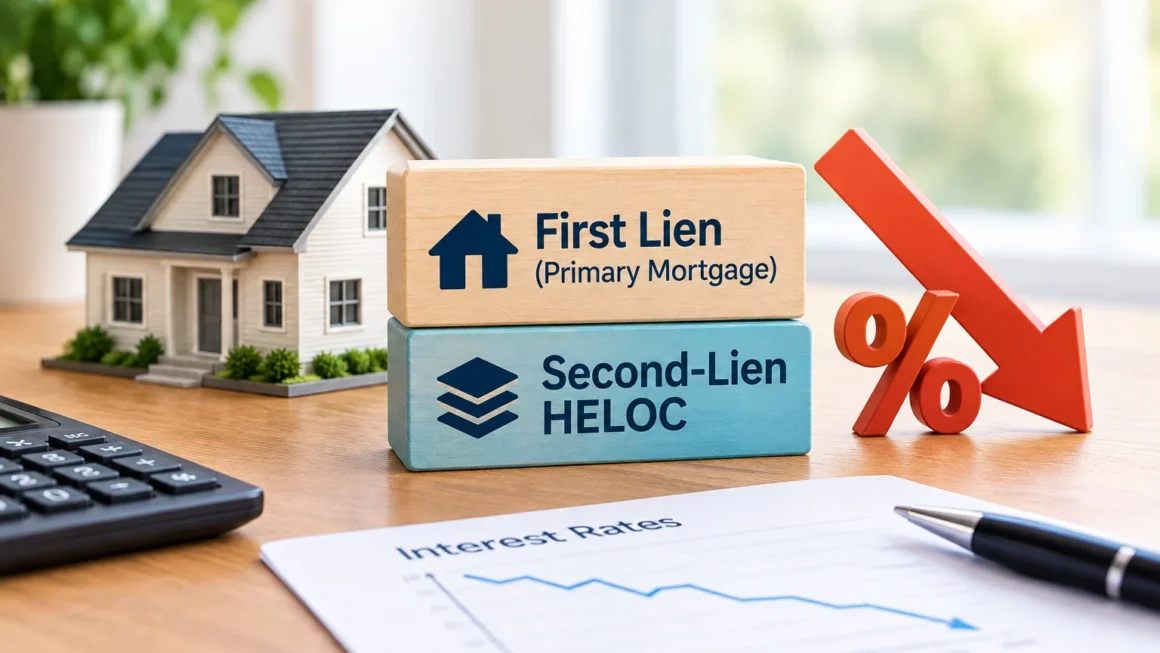
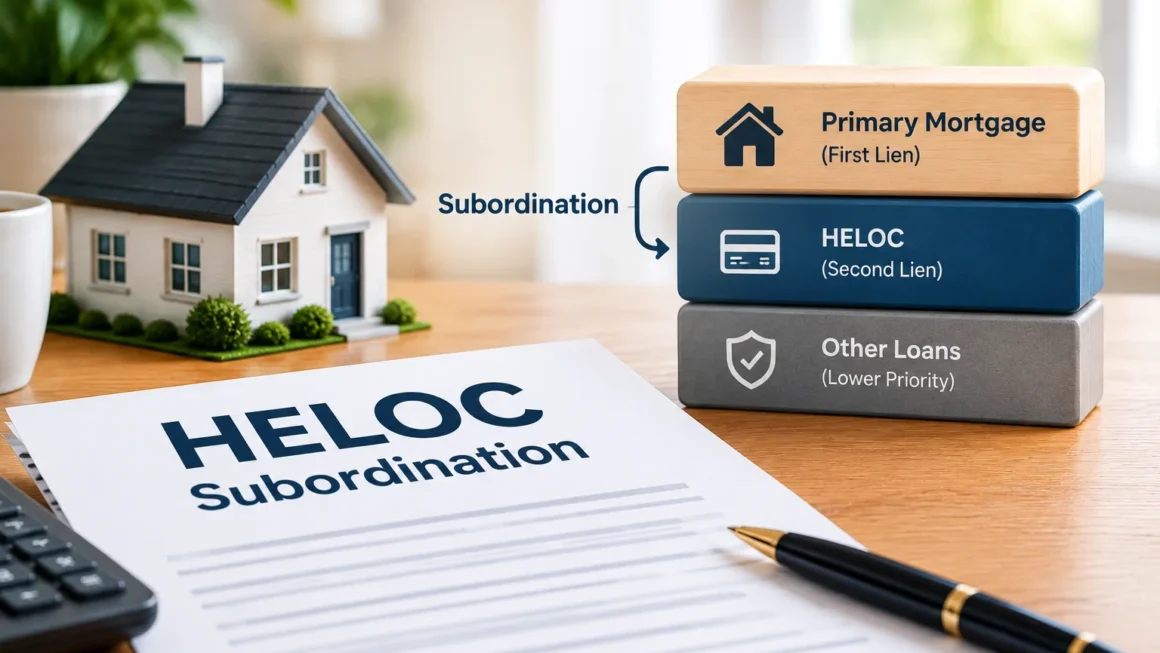
Can I use a HELOC if I’m still paying off my first mortgage? Yes. A HELOC is a second lien on your property, not a replacement for your first mortgage. You can have both simultaneously, as long as your combined loan-to-value stays within the lender’s limits and your DTI qualifies you for the additional debt.
How long does it take to get a HELOC approved? Most HELOC approvals take two to six weeks from application to funding, depending on the lender, the appraisal schedule, and the complexity of your financial documentation. Start the process early — ideally before you’re ready to sign a construction contract.
Will building an ADU increase my property taxes? Almost certainly yes. Adding a permitted structure with additional livable square footage increases your property’s assessed value, which increases your property tax bill. The amount varies by jurisdiction and assessment methodology. Factor this into your net income calculations.
Does a HELOC rate change affect my project budget? During construction — when you’re in the interest-only draw phase — rate increases raise your monthly carrying cost but don’t change the principal you owe. After the project is complete and you’re repaying principal and interest, a rate increase would raise your monthly payment. Some HELOCs offer the option to lock a portion of the balance into a fixed rate — ask your lender about this feature.
What happens if the ADU appraises for less than I spent? This is possible, particularly in markets where ADU comparables are limited. The appraiser can only value the unit based on what similar income-producing properties have sold for in your area. A lower-than-expected appraisal doesn’t change your HELOC obligations — it simply means your equity gain is smaller than projected. This is why conservative financial modeling before committing to the project is essential.
Can I rent out my ADU immediately after the certificate of occupancy is issued? In most jurisdictions, yes. Once the certificate of occupancy (CO) is issued, the unit is legally habitable and can be rented. Some jurisdictions with owner-occupancy requirements may restrict short-term rentals or require the owner to live on-site. Verify local rules before marketing the unit.
Final Thoughts
Building an ADU using a HELOC is one of the most financially compelling uses of home equity available to residential property owners today. It converts existing, illiquid equity into a tangible asset that generates income, increases property value, and potentially serves important family or community housing needs — all without requiring the homeowner to purchase additional land or take on the complexity of buying an investment property elsewhere.
But the strategy requires discipline. It demands careful financial modeling before breaking ground, rigorous project management during construction, a clear repayment plan for the HELOC balance, and strict adherence to permitting and regulatory requirements throughout.
Homeowners who approach ADU construction with the same rigor they would apply to any significant investment — researching thoroughly, budgeting conservatively, building with quality, and planning the financial outcome — consistently find that it is among the most rewarding ways to deploy the equity they’ve built in their homes.
The HELOC is the tool. The ADU is the asset. The equity you already own is the starting point. What you build from there is up to you.
In another related article, The Hidden Benefits of Modern Home Insurance (and How to Get a Free Quote Online)