Introduction to Home Window Replacement
Window replacement represents one of the most impactful home improvement projects you can undertake. New windows transform your home’s appearance, dramatically improve energy efficiency, enhance comfort, reduce noise pollution, and increase property value. Whether you are dealing with drafty old windows, condensation problems, difficulty opening or closing windows, or simply want to modernize your home’s aesthetic, understanding the window replacement process helps you make informed decisions that deliver lasting benefits.
The window industry has evolved significantly over recent decades, with technological advances creating products that far surpass the performance of windows manufactured even ten or twenty years ago. Modern windows feature advanced glazing technologies, improved frame materials, better weatherstripping, and superior insulation properties. These innovations mean that replacing outdated windows can reduce heating and cooling costs by 25 to 50 percent while significantly improving indoor comfort throughout the year.
This comprehensive guide explores everything homeowners need to know about window replacement, from recognizing when replacement is necessary to selecting the right windows, understanding costs, choosing qualified installers, and maintaining new windows for decades of reliable performance.
Signs You Need Window Replacement
Recognizing when your windows have reached the end of their functional life helps you plan for replacement before problems escalate into more expensive issues, such as water damage or structural deterioration.
Drafts and Air Leakage
Feeling cold air near windows during winter or warm air during summer indicates seal failure and air infiltration. Hold a candle or incense stick near the window edges on a windy day—if the flame flickers or smoke blows horizontally, you have air leakage problems. Drafty windows require your heating and cooling systems to work harder, wasting energy and money while failing to maintain a comfortable indoor temperature.
Condensation Between Glass Panes
Moisture or fog trapped between double-pane or triple-pane glass indicates seal failure. When the airtight seal breaks, insulating gas escapes and moisture enters, permanently clouding the glass and eliminating the window’s insulating properties. This condensation cannot be cleaned because it occurs within the sealed unit, requiring replacement of at least the glass assembly and often the entire window.
Difficulty Operating Windows
Windows that stick, bind, require excessive force to open or close, or refuse to stay open have deteriorated components. Warped frames, broken balance mechanisms, damaged tracks, or swollen wood all contribute to operational problems. Besides being frustrating, inoperable windows pose safety hazards during emergencies when quick egress might be necessary.
Visible Damage and Decay
Cracked glass, rotted wood frames, peeling paint that exposes bare wood, rusted metal components, and crumbling window sills all signal that windows have exceeded their serviceable life. Water infiltration through damaged windows can cause extensive hidden damage to wall cavities, insulation, and structural framing, making timely replacement essential.
High Energy Bills
Unexpectedly high heating or cooling costs often trace back to inefficient windows. Old single-pane windows or even early double-pane windows lack the energy efficiency of modern products. If your energy bills seem excessive relative to your home’s size and your thermostat settings, inefficient windows likely contribute significantly to the problem.
Excessive Outside Noise
Windows provide your home’s primary sound barrier against external noise. If you hear traffic, lawn equipment, or neighborhood sounds clearly inside your home, your windows are not providing adequate sound dampening. Modern windows with laminated glass and improved seals dramatically reduce noise transmission, creating quieter, more peaceful indoor environments.
Fading Furniture and Flooring
Ultraviolet radiation passing through windows fades furniture, carpeting, hardwood floors, artwork, and fabrics. While some UV exposure is inevitable, excessive fading indicates windows lack proper UV-blocking coatings. Modern low-E glass blocks up to 99 percent of UV rays while still allowing natural light transmission.
Types of Replacement Windows
Understanding different window styles helps you select options that match your home’s architecture, meet your functional needs, and fit your budget.
Double-Hung Windows
Double-hung windows feature two sashes that slide vertically, with both the upper and lower sashes operable. This classic style suits virtually any architectural design and provides excellent ventilation options. Modern double-hung windows tilt inward for easy cleaning from inside your home, eliminating the need for ladders to clean exterior surfaces. They work well in any room and remain the most popular window style for residential applications.
Casement Windows
Casement windows hinge on one side and swing outward using a crank mechanism. They provide unobstructed views when open, excellent ventilation, and superior energy efficiency because they compress against weather stripping when closed, creating tight seals. Casement windows work particularly well in areas where you want maximum ventilation, such as over kitchen sinks or in bathrooms. Their operation mechanism makes them unsuitable for areas where obstructions like walkways or decks would interfere with outward opening.
Sliding Windows
Sliding windows, also called gliding or slider windows, have one or both sashes that slide horizontally along tracks. They suit contemporary architectural styles and work well in areas with limited exterior space where outward-opening windows would be impractical. Sliding windows provide large glass areas for expansive views and natural light. They require minimal effort to operate and work well in locations that are difficult to reach, though they typically do not seal as tightly as double-hung or casement windows.
Awning Windows
Awning windows hinge at the top and open outward from the bottom, creating an awning effect that allows ventilation even during light rain. They work excellently in bathrooms, basements, and as supplementary ventilation in combination with fixed windows. Their design prevents rain from entering when open, unlike most other operable window styles.
Bay and Bow Windows
Bay windows typically consist of three window sections projecting outward from the home’s exterior wall, with a large central window flanked by two smaller windows set at angles. Bow windows feature four to six windows arranged in a gentle curve. Both styles create interior spaces that can accommodate window seats, plants, or decorative items while adding architectural interest to your home’s exterior. They significantly increase natural light and create the illusion of larger interior spaces.
Picture Windows
Picture windows are large fixed windows that do not open, designed to maximize views and natural light. Without operating mechanisms, they offer superior energy efficiency and weather resistance. Picture windows often combine with operable windows to provide ventilation while maximizing glass area. They work beautifully in living rooms, dining rooms, and any location where views deserve prominence.
Garden Windows
Garden windows project outward from the wall like miniature greenhouses, featuring glass on all sides, including the top. They create ideal spaces for growing herbs, displaying plants, or showcasing decorative items. Garden windows bring abundant natural light and work especially well in kitchens over sinks.
Window Frame Materials: Choosing the Right Option
Frame material significantly impacts window performance, maintenance requirements, appearance, and cost. Each material offers distinct advantages and limitations.
Vinyl Windows
Vinyl windows dominate the replacement window market due to their combination of performance, affordability, and low maintenance. Constructed from polyvinyl chloride (PVC), vinyl frames never require painting, resist moisture damage, and provide excellent insulating properties. Modern vinyl windows feature reinforced frames, multiple color options, and quality comparable to more expensive materials.
Vinyl windows offer outstanding energy efficiency, especially when combined with advanced glazing technologies. They resist warping, cracking, and fading when manufactured with quality UV stabilizers. Maintenance requires only occasional cleaning with soap and water. Vinyl windows cost substantially less than wood or fiberglass while delivering comparable or superior energy performance.
Limitations include fewer color choices than painted options and the inability to refinish or repaint vinyl if you want different colors later. Vinyl can expand and contract with temperature changes, potentially affecting operation in extreme climates. Some homeowners prefer the traditional appearance of wood, viewing vinyl as less aesthetically refined.
Wood Windows
Wood windows offer timeless beauty, excellent insulating properties, and the ability to customize finishes through painting or staining. Quality wood windows feature traditional craftsmanship and work particularly well in historic homes or when matching existing architectural details matters most.
Wood provides natural insulation superior to aluminum and comparable to vinyl and fiberglass. Wood frames can be repaired, refinished, and customized throughout their lifespan. Many homeowners appreciate wood’s warm, organic aesthetic that complements traditional home styles.
However, wood requires regular maintenance, including painting or staining every few years to prevent moisture damage and decay. Wood windows cost significantly more than vinyl alternatives. They are susceptible to rot, insect damage, and warping when not properly maintained. In humid climates or areas with significant precipitation, wood frames demand vigilant maintenance to prevent deterioration.
Aluminum Windows
Aluminum windows offer strength, durability, and slim profiles that maximize glass area. They resist corrosion, require minimal maintenance, and work well in contemporary architectural styles. Commercial applications favor aluminum for its strength and large window configurations.
Modern aluminum windows feature thermal breaks—insulating materials between interior and exterior aluminum surfaces—that dramatically improve energy efficiency compared to older aluminum windows. Aluminum accepts powder-coat finishes in virtually any color and maintains its appearance for decades.
Limitations include relatively poor insulating properties compared to vinyl, wood, or fiberglass, even with thermal breaks. Aluminum conducts heat readily, potentially creating condensation problems in cold climates. Aluminum windows typically cost more than vinyl while delivering inferior energy performance. In coastal environments, aluminum can corrode despite corrosion-resistant finishes.
Fiberglass Windows
Fiberglass windows represent premium offerings that combine exceptional strength, dimensional stability, energy efficiency, and low maintenance. Constructed from glass fibers bound in resin, fiberglass frames resist warping, rotting, swelling, and corrosion. They expand and contract at rates similar to glass, reducing seal stress and extending window life.
Fiberglass provides excellent insulation, superior to aluminum and vinyl, and comparable to wood. Fiberglass accepts paint well, allowing customization and refinishing. These windows suit any climate and architectural style, delivering outstanding performance in extreme temperature conditions.
The primary limitation is cost—fiberglass windows typically rank as the most expensive frame material option. Fewer manufacturers produce fiberglass windows, potentially limiting style choices and local availability. However, for homeowners prioritizing maximum performance and longevity, fiberglass delivers exceptional value over the window’s lifespan.
Composite Windows
Composite windows blend materials—typically wood fibers and polymers—to combine advantages while minimizing individual material weaknesses. They offer wood’s insulating properties and aesthetic appeal with enhanced moisture resistance and reduced maintenance. Composite frames accept paint and stain, can be manufactured to resemble wood, and provide excellent energy efficiency.
Composite materials vary by manufacturer, with performance and characteristics differing accordingly. Quality composite windows perform comparably to fiberglass at potentially lower costs, though still exceeding vinyl prices. They suit homeowners wanting wood’s appearance without extensive maintenance requirements.
Understanding Window Glass and Glazing Options
Glass technology has advanced tremendously, creating options that enhance energy efficiency, comfort, safety, and specialized performance characteristics.
Single, Double, and Triple-Pane Glass
Single-pane windows, found in older homes, provide minimal insulation and are obsolete for new installations. Double-pane windows feature two glass layers separated by spacer bars, with the space filled with insulating gas—typically argon or krypton. This configuration dramatically reduces heat transfer compared to single-pane glass.
Triple-pane windows add a third glass layer and additional gas-filled space, providing maximum insulation. They excel in extremely cold climates where heating costs are substantial. However, triple-pane windows cost significantly more than double-pane alternatives and add weight that may require stronger framing. For most moderate climates, quality double-pane windows with low-E coatings provide optimal cost-to-performance ratios.
Low-E Glass Coatings
Low-emissivity (low-E) coatings are microscopically thin metallic layers applied to glass surfaces that reflect infrared radiation while allowing visible light transmission. Low-E coatings keep heat inside during winter and outside during summer, dramatically improving energy efficiency without reducing natural light.
Different low-E formulations suit different climates. Northern climate low-E coatings maximize solar heat gain, helping reduce heating costs. Southern climate low-E coatings minimize solar heat gain, reducing cooling loads. Quality window manufacturers apply appropriate low-E coatings based on your climate zone.
Gas Fills
Argon and krypton gases fill the spaces between glass panes in modern windows. Both gases are denser than air, reducing convective heat transfer and improving insulation. Argon, the most common fill gas, costs less and works well in standard window spacings. Krypton, more expensive but more effective, suits narrow spacings found in triple-pane windows or specialized applications.
Gas fills gradually leak over decades, though quality seals minimize leakage. Even after gas escapes, windows maintain performance superior to air-filled spaces due to sealed construction.
Laminated and Tempered Glass
Laminated glass consists of two glass layers bonded with a plastic interlayer that holds glass fragments together if broken, providing security and safety benefits. Laminated glass blocks 99 percent of UV radiation, dramatically reduces noise transmission, and provides storm and security protection. It works excellently in ground-floor windows, high-wind areas, and anywhere sound reduction matters.
Tempered glass undergoes heat treatment that creates surface compression, making it four to five times stronger than standard glass. When broken, tempered glass shatters into small, relatively harmless pebbles rather than dangerous shards. Building codes require tempered glass in specific locations, including bathrooms, near doors, and in other hazard areas.
Obscured and Decorative Glass
Privacy glass, available in numerous patterns and opacity levels, provides light transmission while obscuring views. Options include frosted, etched, textured, and patterned glass suitable for bathrooms, entry doors, and anywhere privacy matters. Decorative glass adds aesthetic interest through beveling, leaded designs, stained glass, or custom patterns.
Energy Efficiency and Performance Ratings
Understanding window performance ratings helps you compare products objectively and select windows appropriate for your climate and priorities.
U-Factor
U-factor measures heat transfer through windows, with lower numbers indicating better insulating performance. U-factor ratings typically range from 0.15 to 1.20, with Energy Star requirements varying by climate zone. Cold climates benefit most from low U-factor windows, while all climates see energy savings from improved insulation.
Solar Heat Gain Coefficient (SHGC)
SHGC measures solar radiation transmission through windows, expressed as a number between 0 and 1. Lower SHGC reduces cooling loads by blocking solar heat, benefiting warm climates. Higher SHGC allows solar heat gain, reducing heating costs in cold climates. Optimal SHGC depends on climate, window orientation, and whether heating or cooling dominates your energy costs.
Visible Transmittance (VT)
VT measures visible light transmission through glass, with higher numbers indicating more natural light. Balancing VT with energy efficiency involves trade-offs—heavily tinted or multiple low-E coatings reduce light transmission while improving thermal performance. Most homeowners prefer VT above 0.50 for adequate natural light.
Air Leakage Rating
Air leakage measures air infiltration around closed windows, expressed in cubic feet per minute per square foot of window area. Lower numbers indicate tighter windows with less air leakage. Quality windows rate 0.30 or less, with the best performing windows achieving 0.10 or better.
Energy Star Certification
Energy Star certification indicates windows meet energy efficiency criteria established by the Environmental Protection Agency and the Department of Energy. Requirements vary by climate zone, ensuring appropriate performance for regional conditions. Energy Star windows often qualify for utility rebates and tax credits, providing financial incentives beyond energy savings.
Window Replacement Costs: What to Expect
Understanding cost factors helps you budget appropriately and make value-conscious decisions about window replacement projects.
Factors Affecting Window Replacement Costs
Window size significantly impacts cost, with larger windows requiring more materials and labor. Custom sizes cost substantially more than standard dimensions. Window style affects pricing—simple double-hung windows cost less than specialized styles like bays, bows, or custom shapes.
Frame material creates major cost differences. Vinyl windows offer the most affordable option, with wood, fiberglass, and aluminum typically costing 50 to 200 percent more, depending on specific products. Glass options, including triple-pane glazing, laminated glass, and specialty coating,s add to costs.
Labor comprises 30 to 50 percent of total replacement costs in most markets. Installation complexity varies with window accessibility, wall construction, and whether structural modifications are needed. Second-story or difficult-access windows increase labor costs substantially.
Geographic location influences pricing through regional labor rates, permit costs, and market competition. Urban areas typically see higher costs than rural locations, though greater competition may moderate prices.
Average Replacement Window Costs
For full-frame replacement windows professionally installed, homeowners typically pay $400 to $800 per window for standard vinyl double-hung windows. Mid-range windows with upgraded features cost $600 to $1,200 per window. Premium wood, fiberglass, or specialty windows range from $1,000 to $2,500 or more per window.
Bay and bow windows cost significantly more, typically $2,500 to $7,500 installed, depending on size and materials. Garden windows range from $1,000 to $3,000 installed. Custom shapes, very large windows, and specialty applications can exceed these ranges substantially.
Insert replacement windows, which fit into existing frames, cost 25 to 40 percent less than full-frame replacements but suit only specific situations where existing frames are sound and properly sized.
Cost-Saving Strategies
Replacing multiple windows simultaneously typically reduces per-window costs through installation efficiencies. Many window companies offer volume discounts for whole-house projects. Scheduling installations during off-peak seasons—typically late fall through early spring—may yield lower pricing and better contractor availability.
Obtaining multiple competitive quotes helps ensure fair pricing and allows comparison of products and installation quality. However, selecting contractors based solely on the lowest price often proves counterproductive when inferior products or poor installation create problems.
Considering insert replacements when appropriate saves substantially compared to full-frame installations while delivering most benefits of a complete replacement. However, insert windows only work when existing frames are structurally sound, properly squared, and appropriately sized.
Choosing the Right Window Contractor
Contractor selection ranks among the most critical decisions in window replacement projects, as even superior windows perform poorly when improperly installed.
Credentials and Experience
Licensed contractors demonstrate commitment to professional standards and accountability. Verify licenses through state contractor licensing boards and ensure licenses remain current and in good standing. Insurance coverage, including liability and workers’ compensation, protects you from financial responsibility for accidents or property damage during installation.
Manufacturer certifications indicate training in proper installation techniques for specific window brands. Many manufacturers certify installers who complete training programs and demonstrate installation proficiency. Certified installers typically deliver better results and provide access to enhanced product warranties.
Experience matters significantly in window installation. Seek contractors specializing in window replacement rather than general handymen who occasionally install windows. Ask how long they have been in business and how many window replacement projects they complete annually.
References and Reviews
Request references from recent projects similar to yours in scope and window type. Contact references to ask about their experience, including work quality, professionalism, adherence to schedules, problem resolution, and overall satisfaction. Visit completed projects, if possible, to see results firsthand.
Online reviews on platforms like Google, Yelp, and the Better Business Bureau provide additional perspectives on contractor reputation and reliability. Look for patterns in reviews rather than focusing on individual complaints or praise. Companies with consistently positive reviews over extended periods demonstrate sustained quality and customer service.
Written Estimates and Contracts
Obtain detailed written estimates from at least three qualified contractors. Estimates should specify window brands and models, frame materials, glass options, installation methods, warranty coverage, payment terms, and project timeline. Comparing detailed estimates helps identify significant price discrepancies and reveals what each contractor includes or excludes.
Written contracts protect both parties by clearly defining expectations, responsibilities, and terms. Contracts should include all estimate details plus provisions for handling unexpected problems, permitting responsibilities, cleanup and disposal, and final payment terms. Never pay complete project costs upfront—typical payment structures involve deposits of 10 to 30 percent with substantial final payments due after satisfactory completion and inspection.
Warranty Coverage
Quality window manufacturers offer substantial product warranties covering materials, glass seal failure, and hardware components. Typical warranty periods range from 10 years to lifetime coverage, depending on components and manufacturers. Understanding warranty terms, coverage limitations, and transfer provisions if you sell your home ensures appropriate protection.
Installation warranties, separate from product warranties, cover labor and installation-related issues. Reputable contractors offer installation warranties lasting at least one to five years. Verify warranty terms in writing and understand what circumstances void coverage.
The Window Replacement Process
Understanding the replacement process helps you prepare appropriately and know what to expect during installation.
Initial Consultation and Measurement
Professional window companies typically provide free consultations, including home evaluation and measurements. Consultants assess existing windows, discuss your priorities regarding style, energy efficiency, and budget, and recommend appropriate products. Precise measurements ensure proper window fit and successful installation.
Some companies use preliminary measurements for estimates with exact measurements taken after contract signing. Others provide exact measurements initially. Understand your contractor’s process and ensure accuracy before ordering custom-sized windows.
Ordering and Lead Times
After finalizing selections and measurements, contractors order windows from manufacturers. Lead times vary from one week for stock products to eight weeks or longer for custom windows and specialty products. Planning window replacement projects well in advance accommodates manufacturing and delivery schedules.
Installation Day Preparation
Clear areas around windows, both inside and outside, moving furniture, decorations, and window treatments. Cover nearby furniture and flooring to protect them from dust and debris. Trim back shrubs and plants outside that might interfere with installation or be damaged by activity.
Expect noise, dust, and disruption during installation. Plan to be home to answer questions and address concerns, but understand that installers work most efficiently without constant oversight. Arrange for children and pets to be elsewhere during installation for safety and to prevent work delays.
Installation Process
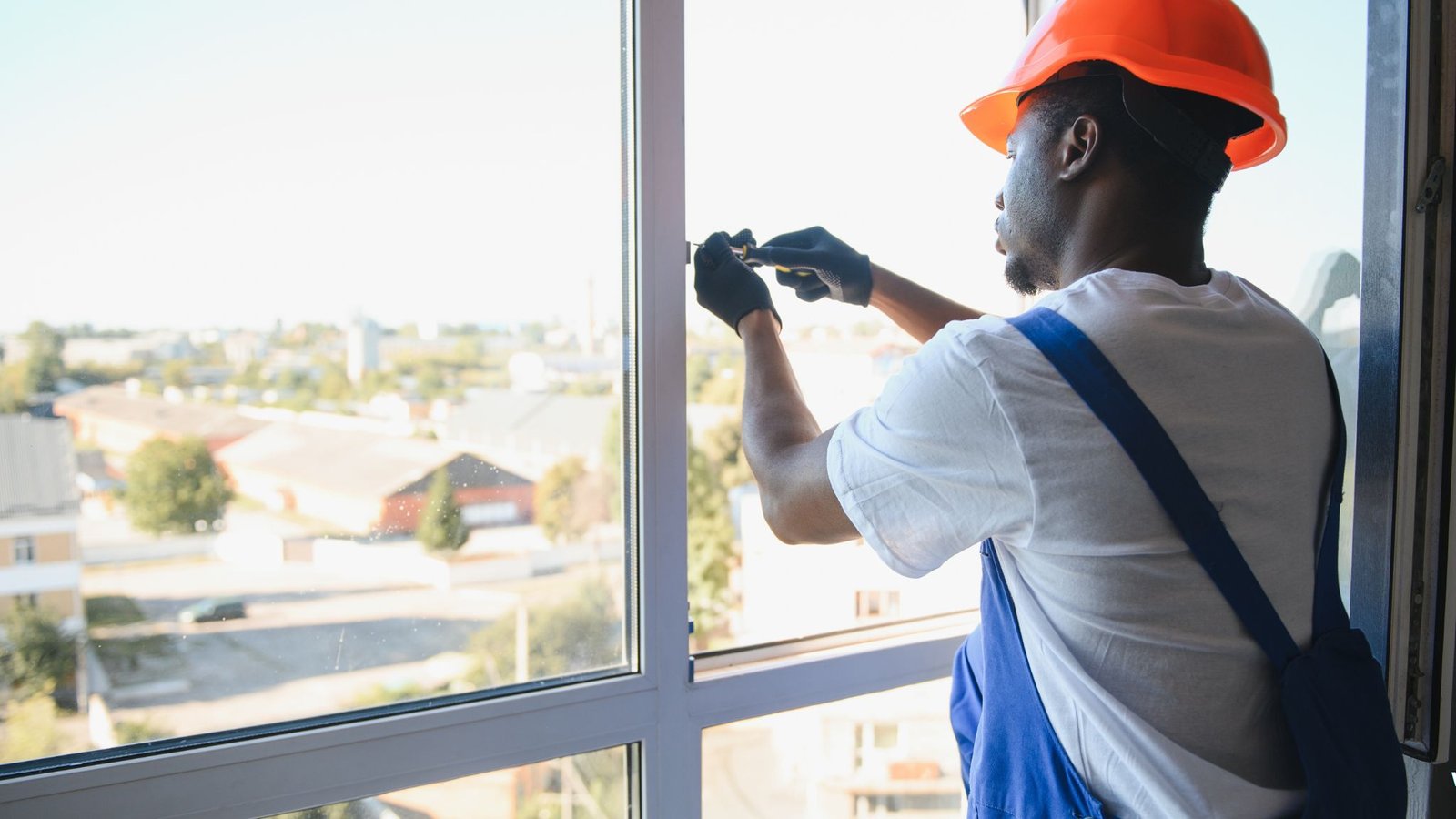
Professional installation typically proceeds as follows: First, contractors remove interior and exterior trim around existing windows, then remove old windows carefully to avoid wall damage. They inspect rough openings for damage, rot, or structural issues requiring repair before proceeding.
Next, installers prepare openings, ensuring they are level, square, and properly sized. They apply flashing tape and weatherproofing materials to prevent water intrusion. New windows are set into openings, carefully leveled and squared, then secured according to manufacturer specifications and building codes.
After securing windows, installers apply insulation around window perimeters, filling gaps to prevent air infiltration while avoiding overcompression that would bow frames. They install exterior and interior trim, seal gaps with appropriate caulking, and ensure proper operation of all moving parts.
Final cleanup includes removing old windows and construction debris, vacuuming dust, and leaving work areas clean. Installers should demonstrate proper window operation, explain maintenance requirements, and provide warranty documentation.
Post-Installation Inspection
After installation completion, inspect each window thoroughly. Verify smooth operation, proper locking, absence of gaps or drafts, and satisfactory finish work. Test all moving components multiple times. Look for proper caulking, neat trim work, and thorough cleanup. Address any concerns immediately with the installers before making the final payment.
Maintaining Your New Windows
Proper maintenance preserves window appearance, operation, and performance throughout their expected 15 to 30-year lifespan.
Regular Cleaning
Clean glass regularly using standard glass cleaners or mild soap and water solutions. Avoid abrasive materials that scratch glass or frames. Clean frames with mild soap and water, rinsing thoroughly. Vinyl and fiberglass frames resist most staining, while wood frames may require occasional refinishing.
Hardware Maintenance
Lubricate moving parts annually, including hinges, cranks, locks, and sliding tracks. Use silicone-based lubricants rather than oil-based products that attract dirt. Tighten loose screws and adjust hardware as needed to maintain smooth operation.
Weatherstripping and Seals
Inspect weatherstripping annually for wear, compression, or damage. Replace weatherstripping showing significant deterioration to maintain energy efficiency. Check caulking around window exteriors, recaulking as needed to prevent water intrusion.
Drainage System Maintenance
Most windows include weep holes allowing moisture to drain from sill areas. Keep weep holes clear of debris, dirt, and insect nests. Blocked weep holes cause water accumulation that damages windows and surrounding walls.
Seasonal Considerations
In cold climates, remove storm windows if present and clean thoroughly before storing. Check for ice dam formation that could affect window performance. In hot climates, verify that the cooling system condensation does not pool near windows, potentially causing moisture problems.
Return on Investment: Window Replacement Value
Window replacement delivers returns through multiple channels, including energy savings, increased comfort, enhanced home value, and improved aesthetics.
Energy Savings
Quality replacement windows reduce heating and cooling costs by 25 to 50 percent, depending on existing window condition and climate. In typical homes, this translates to $150 to $500 annual savings. While window replacement requires substantial upfront investment, energy savings accumulate over decades, eventually offsetting costs while delivering ongoing savings thereafter.
Energy Star estimates that replacing single-pane windows with Energy Star-certified products saves $101 to $583 annually, depending on the region. Double-pane to Energy Star upgrades save $27 to $197 annually. These estimates assume typical home sizes and energy costs, with actual savings varying by home specifics.
Home Value Increase
Window replacement typically recoups 70 to 80 percent of costs upon home sale, according to Remodeling Magazine’s Cost vs. Value reports. This strong return on investment reflects buyer preference for homes with modern, energy-efficient windows that require no immediate attention. New windows enhance curb appeal significantly, creating positive first impressions that benefit overall home marketability.
Beyond direct financial returns, window replacement improves quality of life through enhanced comfort, reduced noise, better natural light, and decreased maintenance burden. These quality-of-life improvements, while difficult to quantify financially, provide substantial value to homeowners.
Conclusion
Window replacement represents a significant investment that delivers substantial returns through improved energy efficiency, enhanced comfort, reduced maintenance, and increased home value. Understanding available options, performance factors, cost considerations, and installation requirements empowers you to make informed decisions that serve your needs and budget effectively.
Whether motivated by energy savings, comfort improvement, aesthetic enhancement, or necessary repairs, window replacement ranks among the most beneficial home improvement projects you can undertake. Quality products professionally installed provide decades of reliable performance while transforming your home’s appearance and reducing operating costs year after year.
Take time to research options thoroughly, obtain multiple competitive quotes from qualified contractors, and select products appropriate for your climate and priorities. The investment you make in quality windows and professional installation pays dividends throughout the windows’ lifespan and beyond through enhanced home value and enjoyment of your living space.
In another related article, How to Install Replacement Windows: Save $300+ Per Window (DIY Guide 2025)