Buying furniture is one of the most exciting yet daunting aspects of creating your dream home. That beautiful sectional sofa looks perfect in the showroom under flattering lights and spacious displays, but will it overwhelm your living room? Will that dining table you fell in love with online actually fit through your doorway? These are questions that haunt furniture shoppers everywhere, leading to costly mistakes and the hassle of returns.
The good news is that with the right visualization techniques and tools, you can confidently select furniture that looks stunning in your actual space, not just in your imagination. This comprehensive guide will walk you through proven methods to visualize furniture before you buy, helping you make informed decisions that you’ll love for years to come.
Why Visualizing Furniture Before Buying Matters
Before we dive into the how-to, let’s understand why visualization is so crucial in furniture shopping.
The Cost of Furniture Mistakes
Furniture represents a significant investment for most households. A quality sofa can cost anywhere from $800 to $5,000 or more, while a complete bedroom set might run $2,000 to $10,000. When you factor in delivery fees, assembly costs, and potential restocking fees for returns, mistakes become expensive quickly.
According to industry research, approximately 30 percent of furniture purchases result in some level of buyer’s remorse, with size and fit being among the top complaints. Many retailers charge restocking fees ranging from 15 to 25 percent, and some items, like custom or clearance furniture, may not be returnable at all.
The Showroom Effect
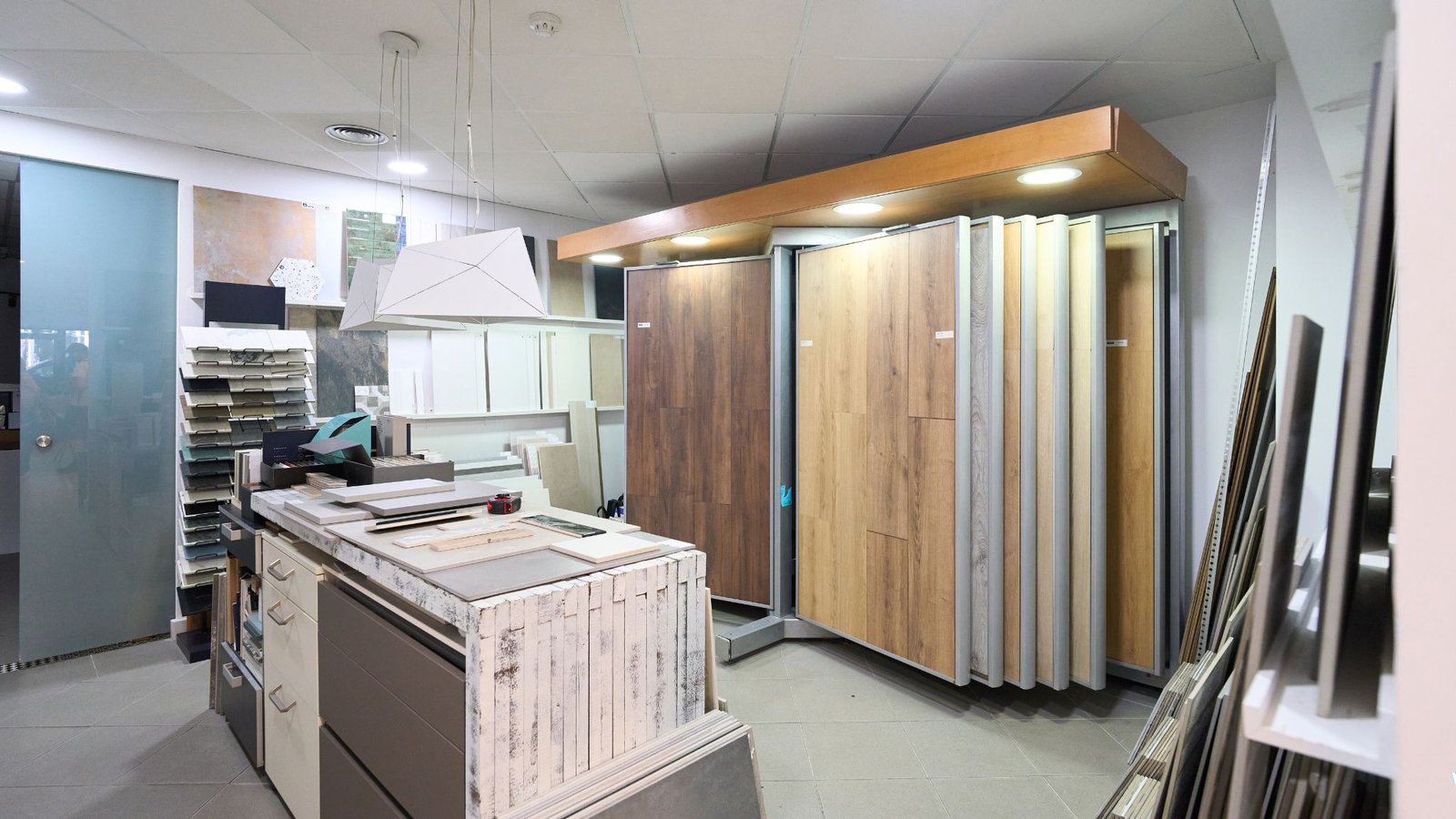
Showrooms are designed to sell furniture, not to represent your actual living space. They typically feature higher ceilings, better lighting, carefully curated color schemes, and strategic spacing that makes everything look proportional and appealing. A sofa that looks appropriately sized in a 400-square-foot showroom display might completely dominate your 150-square-foot living room.
Additionally, showroom styling includes complementary accessories, artwork, and furnishings that create a cohesive look. When that single piece arrives at your home, it needs to work with your existing décor, wall colors, flooring, and lighting conditions, which may be vastly different from the showroom environment.
Online Shopping Challenges
The rise of online furniture shopping has made selection more convenient but visualization more challenging. While e-commerce sites provide measurements and multiple photos, they can’t replicate the experience of seeing furniture in person. Camera angles, lighting, and digital rendering can all distort how furniture actually looks and feels.
Screen sizes also create perception issues. That armchair might look substantial on your laptop screen but appear much smaller in your actual room, or vice versa. Without proper visualization techniques, online furniture shopping becomes a gamble.
Essential Measurements: The Foundation of Furniture Visualization
Accurate measurements are the cornerstone of successful furniture visualization. Before you even start browsing, you need to know your space inside and out.
Measuring Your Room
Start by measuring the dimensions of the room where the furniture will live. You’ll need:
Length and width: Measure wall to wall at the longest points, noting any irregularities like alcoves or bay windows.
Ceiling height: This affects how tall furniture should be and impacts the overall proportions of the space.
Doorways and hallways: Measure the width and height of every doorway, hallway, stairwell, and elevator the furniture must pass through to reach its destination. Many furniture nightmares begin when a beautiful piece won’t fit through the front door.
Windows and architectural features: Note the location and size of windows, radiators, built-in shelving, fireplaces, and other fixed elements that will affect furniture placement.
Electrical outlets and switches: Mark where outlets, light switches, and cable jacks are located, as you’ll want to ensure furniture doesn’t block access to these.
The Traffic Flow Rule
Beyond basic dimensions, consider traffic flow. Furniture should never obstruct natural pathways through a room. Interior designers recommend maintaining at least 30 to 36 inches of clearway for major walkways and 18 to 24 inches for secondary paths.
When measuring, map out where people naturally walk through the space. This will help you determine not just what size furniture fits, but where it can actually be placed without disrupting daily movement.
Furniture-Specific Measurements
When shopping for furniture, you need to understand the key measurements:
Overall dimensions: Length, width (or depth), and height of the piece when fully assembled.
Diagonal depth: For sofas and sectionals, this measurement from the front corner to the back opposite corner can be crucial for navigating tight spaces.
Seat height and depth: Important for comfort, especially for sofas, chairs, and beds.
Clearance requirements: Some furniture, like recliners or storage ottomans, needs additional space to function properly.
Creating a Room Measurement Reference
Create a simple sketch or use a smartphone app to record all your measurements in one place. Include a basic floor plan showing room dimensions, door swings, windows, and any permanent fixtures. This becomes your reference document for all furniture shopping decisions.
Many people find it helpful to take photos of their rooms from multiple angles and keep these with their measurements. This visual reference helps when you’re in a showroom or browsing online, allowing you to mentally place new furniture in your actual space.
Traditional Visualization Techniques That Work
Before diving into digital tools, let’s explore time-tested methods that require minimal technology but deliver excellent results.
The Tape and Paper Method
One of the most effective low-tech visualization techniques involves painter’s tape and newspaper or brown paper.
Using your furniture measurements, cut paper to match the footprint of the piece you’re considering. Place this template on your floor where the furniture would sit. Alternatively, use painter’s tape to outline the dimensions directly on your floor or carpet.
This method provides an immediate, physical sense of scale. You can walk around the outlined space, sit where the furniture would be, and experience how it affects room flow. If you’re considering multiple pieces, tape out all of them simultaneously to see how they work together.
For vertical pieces like bookcases or armoires, tape the outline on the wall at the appropriate height. This helps you visualize how the furniture will relate to windows, artwork, and ceiling height.
The Cardboard Box Technique
If you have large cardboard boxes, you can create three-dimensional mockups of furniture. This is particularly useful for visualizing tall pieces like dressers, entertainment centers, or headboards.
Cut and tape boxes together to approximate the size of the furniture you’re considering. Place these mockups in your room and live with them for a few days. This extended exposure helps you determine whether the scale feels right and whether the placement works with your daily routines.
The Moving Existing Furniture Method
If you already own furniture of similar dimensions, rearrange it to approximate the new piece. For example, if you’re buying a new sofa, push your current sofa into the position where the new one would go, even if it means temporarily disrupting your room layout.
This method works especially well when sizing up or down. If your current sofa is 84 inches and you’re considering a 96-inch model, you can use boxes or cushions to extend your existing sofa to visualize the additional length.
Photography and Printouts
Take photos of your room from various angles. Print furniture images from online retailers at a proportional size, cut them out, and place them in your room photos. While this requires some estimation and won’t be perfectly to scale, it can help you visualize style compatibility and general proportions.
For a more accurate version, use the scaling method: if your wall in the photo is six inches long and represents a ten-foot wall in reality, you can calculate that each inch equals 20 inches of real space. Use this ratio to print furniture images at the correct proportional size.
Digital Tools and Apps for Furniture Visualization
Technology has revolutionized how we visualize furniture, offering increasingly sophisticated tools that range from simple room planners to augmented reality experiences.
Augmented Reality (AR) Apps
Augmented reality represents the cutting edge of furniture visualization. These apps use your smartphone or tablet camera to superimpose virtual furniture into your actual space in real time.
How AR Apps Work: You point your device’s camera at the area where you want to place furniture. The app uses the camera feed and spatial recognition technology to overlay a 3D model of the furniture in your space. You can move around the room, viewing the furniture from different angles, and many apps allow you to adjust placement by dragging the virtual item around.
Popular AR Furniture Apps:
IKEA Place is one of the most well-known AR apps, featuring thousands of IKEA products that you can virtually place in your home. The app scales items accurately to room dimensions and allows you to save images of your virtual setup.
Wayfair’s View in Room 3D feature lets you visualize millions of products using AR technology. You can place multiple items simultaneously to see how they work together.
Amazon’s AR View offers similar functionality for eligible furniture and home décor items, making it easy to visualize Amazon purchases before you buy.
Benefits and Limitations: AR apps excel at showing scale, proportion, and general aesthetic fit. They’re incredibly convenient and require no setup beyond downloading an app. However, lighting in AR visualizations may not perfectly match your room, textures can appear different in person, and the apps work best in well-lit spaces with clear floor areas.
Room Planning Software
Room planning tools allow you to create detailed floor plans and experiment with furniture arrangements from a top-down perspective.
Free Options:
RoomStyler 3D Home Planner offers a user-friendly interface where you can design rooms in 2D and view them in 3D. The platform includes a vast library of furniture from real brands, making it useful for both planning layouts and shopping.
Planner 5D provides both 2D and 3D design capabilities with an extensive catalog of furniture and décor items. The free version offers substantial functionality, though some premium items require a subscription.
Homestyler allows you to photograph your room and then add virtual furniture to your actual space, combining elements of AR with traditional room planning.
Premium Solutions:
SketchUp offers professional-grade 3D modeling capabilities with a learning curve but impressive results. It’s favored by interior designers and serious DIY enthusiasts.
Chief Architect provides highly detailed visualization tools used by professionals, with realistic rendering capabilities that show lighting, textures, and materials with exceptional accuracy.
Using Room Planners Effectively: Start by accurately inputting your room dimensions, including all architectural features. Most software allows you to specify wall colors, flooring, and window treatments to match your actual space. Add furniture from the app’s catalog or input custom dimensions for pieces you’re considering.
Experiment with multiple layouts. The beauty of digital planning is that rearranging is effortless. Try various configurations to find the optimal arrangement before committing to a purchase.
Retailer-Specific Visualization Tools
Many furniture retailers now offer proprietary visualization tools integrated into their websites and apps.
Ashley Furniture’s Room Builder lets you design complete rooms using their product catalog. West Elm offers a Design Crew service that includes digital room planning with their products. Crate & Barrel provides 3D room planning tools and complimentary design consultations.
These retailer-specific tools are particularly useful when you’re committed to shopping with a particular brand, as they feature accurate representations of actual available products.
Virtual Reality (VR) Experiences
Some high-end furniture retailers and design services offer virtual reality experiences where you can virtually walk through a designed space wearing a VR headset. While not yet mainstream for home use, VR provides the most immersive visualization experience available.
Companies like Matterport create 3D virtual tours of spaces, and some furniture retailers use this technology to showcase room settings. As VR technology becomes more accessible, expect these tools to become more common for furniture shopping.
Advanced Visualization Strategies
Once you’ve mastered the basics, these advanced strategies will further refine your furniture visualization skills.
The Style Board Approach
Create a comprehensive style board that includes photos of your room, swatches of existing fabrics and paint colors, and images of furniture you’re considering. Arrange these elements on a physical board or use digital tools like Pinterest or Canva.
This approach helps you visualize how new furniture will coordinate with your existing décor. Pay attention to color harmony, style consistency, and visual weight. If your style board looks cohesive, your actual room is more likely to feel cohesive.
Lighting Considerations
Lighting dramatically affects how furniture appears. A deep navy sofa might look sophisticated in natural daylight but appear nearly black in evening lamplight. Similarly, wood finishes can appear warmer or cooler depending on your lighting.
When visualizing furniture, consider how the piece will look under different lighting conditions. If possible, request fabric swatches or wood samples from retailers and view them in your space throughout the day. Notice how they appear in morning sunlight, afternoon light, and evening artificial light.
Many visualization apps don’t accurately represent lighting variations, so this remains an area where physical samples and imagination are valuable.
The Proportion and Scale Analysis
Beyond ensuring furniture physically fits, you need to consider visual proportion. Designers use the principle of scale to create rooms that feel balanced rather than dominated by any single element.
As a general guideline, your largest piece of furniture should occupy no more than one-third of the room’s visual space. A massive sectional in a small room violates this principle and makes the space feel cramped, even if it technically fits.
When visualizing furniture, step back and assess whether the piece is appropriately scaled to the room. Large rooms can handle substantial furniture and actually look better with larger pieces that fill the space. Small rooms need more modestly sized furniture to maintain breathing room.
The Color and Texture Visualization
While size and layout are crucial, color and texture significantly impact how furniture looks in your space. When using digital visualization tools, recognize that screen representations of color and texture are approximations.
Request physical samples whenever possible. Most reputable furniture retailers will send fabric swatches, wood samples, or finish chips. Place these in your room and observe them over several days. Does the color complement your wall paint? Does the texture work with your existing pieces?
If samples aren’t available, visit a showroom to see materials in person, taking photos with your phone’s camera set to automatic mode to get a reasonably accurate color representation.
The Lifestyle Functionality Test
Visualization isn’t only about aesthetics; it’s also about functionality. When placing tape outlines or using AR apps, go through the motions of how you’ll actually use the furniture.
For a dining table, sit where the chairs would be and mime eating. Can you comfortably move around the table? For a sofa, sit on the floor where the sofa would be. Will you have a clear view of the TV? Can you easily reach a side table for your coffee?
This practical visualization helps you identify functional issues before you buy. You might discover that while a piece fits perfectly, it doesn’t work with how you actually live in your space.
Common Furniture Visualization Mistakes to Avoid
Even with the best tools and techniques, certain pitfalls can undermine your visualization efforts.
Ignoring Furniture Depth
Many people focus on length and width while underestimating depth. Sofas, in particular, vary dramatically in depth from sleek 32-inch models to deep, lounging 45-inch sectionals. A sofa that’s 12 inches deeper than you anticipated can significantly alter room traffic flow.
Always measure and visualize depth as carefully as length. Use your tape outline method to capture the full footprint, not just the front-to-back measurement.
Forgetting About Furniture Legs and Clearances
When taping out furniture dimensions, many people create rectangles representing the furniture body but forget about legs that extend beyond the frame or the clearance needed for drawers and doors.
A dresser might be 18 inches deep, but if it has hardware that protrudes an inch and requires three inches of clearance to open drawers fully, you need to account for 22 inches of space, not 18.
Overestimating Room Size
Rooms often feel larger than they actually are, especially when empty or sparsely furnished. This psychological phenomenon leads people to buy furniture that’s larger than appropriate.
Combat this by relying on actual measurements rather than perception. If your measurements indicate a piece is too large, trust the numbers even if the room “feels” spacious.
Neglecting the Delivery Path
Even if furniture fits perfectly in your room, it’s worthless if you can’t get it there. Measure doorways, staircases, hallways, and elevators. Remember that furniture typically needs a few extra inches of clearance to navigate corners and tight spaces.
Some furniture can be disassembled for delivery, but others, particularly upholstered pieces, cannot. Confirm with the retailer whether a piece can be broken down if necessary.
Focusing Only on Individual Pieces
Visualizing furniture one piece at a time without considering the complete room composition can create a disjointed look. A beautiful armchair might work perfectly in isolation, but when you add the sofa, coffee table, and side tables you’re also considering, the room becomes overcrowded.
Use visualization tools that allow you to place multiple pieces simultaneously, creating a complete room picture rather than focusing on individual items.
Trusting Showroom or Online Images Too Much
Professional staging makes everything look amazing. Showroom layouts are carefully designed to showcase furniture at its best, often pairing pieces that wouldn’t exist together in a real home.
While these presentations inspire, view them critically. Ask yourself whether the styling translates to your actual life. That pristine white sofa looks stunning in the photo, but is it practical for your household?
Ignoring Existing Furniture
Unless you’re furnishing an empty room, new furniture must coexist with existing pieces. Visualize how the new item relates to what you already own. Does the style complement or clash? Are the proportions balanced?
Include existing furniture in your floor plans and visualizations to ensure new additions work harmoniously within your complete space.
Professional Tips for Better Furniture Visualization
Interior designers and furniture specialists use these professional techniques to help clients visualize furniture accurately.
The One-Third Rule for Rugs
If you’re visualizing furniture on or near a rug, remember that area rugs should extend beyond furniture edges. For a sofa, the rug should be large enough that at least the front legs of the sofa and any accompanying chairs rest on it. This creates visual cohesion and proper proportion.
When taping out furniture, also tape out rug dimensions to ensure both elements work together spatially.
The Negative Space Principle
Professional designers know that space is as important as filled space. When visualizing furniture, pay attention to negative space, the empty areas between and around furniture.
Rooms need visual breathing room. If your visualization shows furniture pieces crammed together or pushed against every wall, you’ve likely overfilled the space. Aim for a balance where furniture is thoughtfully arranged with intentional empty spaces.
The Sightline Strategy
Consider sightlines when visualizing furniture placement. From your main seating area, what will you see? Tall furniture placed in the middle of a room can obstruct views and create a choppy feeling.
When using visualization tools, imagine yourself sitting in different locations and identify what’s in your line of sight. Furniture should frame views, not block them.
The Cohesive Collection Approach
Rather than buying individual pieces over time, professionals often visualize entire furniture collections or room groupings. This ensures that scale, style, and proportion work together from the outset.
If budget constraints prevent buying everything at once, at least plan the complete room using visualization tools. This allows you to make deliberate choices, perhaps buying the sofa now, knowing it will eventually pair with specific chairs and a coffee table.
The Multi-Functional Mindset
When visualizing furniture, especially for small spaces, consider pieces that serve multiple purposes. An ottoman that provides both seating and storage, a sofa bed for guests, or a dining table that extends for entertaining can offer significant value.
Visualize these pieces in their various configurations. Does that ottoman work both as a coffee table and as extra seating when you have guests? Can you comfortably walk around the dining table when it’s extended?
Making the Final Decision
After measuring, visualizing, and planning, you’re ready to make your purchase with confidence.
The 48-Hour Rule
Even after thorough visualization, consider implementing a 48-hour waiting period before finalizing major furniture purchases. This cooling-off period allows you to revisit your visualizations with fresh eyes and ensures you’re not making an impulsive decision.
Review your photos, floor plans, and measurements one more time. Sleep on it. If you’re still excited about the purchase after this reflection period, you can proceed confidently.
Verification Check
Before clicking “buy” or signing a sales order, complete this final verification:
- Confirm all measurements of the furniture and your space
- Verify delivery path measurements, including doors, hallways, and stairs
- Review return and exchange policies
- Check delivery timeframes and fees
- Confirm the exact fabric, finish, or color code
- Verify assembly requirements if applicable
Document Everything
Take photos of your visualization setups, save your room planning files, and keep a folder with all measurements and product specifications. This documentation helps if you need to exchange an item or when shopping for complementary pieces in the future.
Conclusion: Confidence Through Visualization
Visualizing furniture before buying transforms the shopping experience from a stressful gamble into an informed decision-making process. Whether you rely on simple tape outlines, sophisticated AR apps, or a combination of techniques, taking time to properly visualize furniture in your space prevents costly mistakes and ensures your purchases enhance your home exactly as you envisioned.
The investment of time in visualization pays dividends in satisfaction with your furniture choices. That sofa you carefully visualized will fit perfectly, complement your décor, and meet your functional needs because you did the homework upfront. Your home will reflect your style and taste while remaining comfortable and practical.
Remember that furniture shopping should be enjoyable. With proper visualization techniques, you can browse showrooms and scroll through online catalogs with confidence, knowing you have the tools to determine whether a piece will work in your actual space. The days of furniture buyer’s remorse are behind you.
Start with accurate measurements, experiment with both traditional and digital visualization methods, and trust the process. Your perfectly furnished room is waiting, and with these visualization strategies, you’re equipped to make it a reality without the stress, uncertainty, and expensive mistakes that once made furniture shopping daunting. Happy furnishing!