Every month, homeowners across America open utility bills with dread, watching heating and cooling costs climb relentlessly higher. While most people blame their HVAC systems or thermostat settings, the real culprit often hangs right in front of them—literally. Old, inefficient windows are silent budget killers, allowing expensive heated or cooled air to escape while letting outdoor temperatures invade your comfortable home.
The average American household spends over $2,000 annually on energy bills, with heating and cooling accounting for nearly half that amount. What many homeowners don’t realize is that windows are responsible for 25-30% of residential heating and cooling energy waste. That single-pane window from 1985 or that drafty double-pane from the early 2000s could be costing you hundreds or even thousands of dollars every year.
Energy-efficient windows represent one of the most impactful home improvements you can make, potentially reducing energy bills by 30-50% while simultaneously increasing comfort, reducing environmental impact, and boosting home value. This comprehensive guide explains exactly how modern energy-efficient windows work, the technologies that make them effective, realistic savings expectations, and how to determine whether window replacement makes financial sense for your home.
Understanding Heat Transfer and Window Energy Loss
Before exploring energy-efficient window solutions, understanding how windows lose and gain heat helps explain why replacement windows deliver such dramatic savings.
The Three Methods of Heat Transfer
Conduction occurs when heat moves directly through materials. Touch a cold window pane on a winter day and you’re experiencing conduction—heat from your warm hand transfers directly through the glass to the cold exterior. Traditional single-pane windows offer minimal resistance to conductive heat transfer, making them extremely inefficient.
Modern energy-efficient windows combat conduction through multiple glass panes separated by insulating gas fills and low-conductivity frame materials. These barriers dramatically reduce the rate of heat transfer through the window assembly.
Convection happens when air currents carry heat. Stand near an old window on a cold day, and you’ll feel cold air “falling” off the window surface. Cold glass cools adjacent air, which becomes denser and sinks, creating uncomfortable drafts and forcing your heating system to work harder.
Energy-efficient windows minimize convection through better insulation that keeps interior glass surfaces warmer, reducing air temperature differences that drive convective currents.
Radiation transfers heat through electromagnetic waves—the same way the sun warms your face. Windows allow radiant heat from the sun to enter during summer (making cooling systems work harder) and permit indoor radiant heat to escape during winter.
Low-emissivity (Low-E) coatings on modern windows selectively control radiant heat transfer, reflecting infrared heat inside during winter while blocking solar heat gain during summer.
Where Traditional Windows Fail
Single-pane windows offer virtually no insulation value. A typical single-pane window has an R-value (thermal resistance) of approximately R-1, compared to R-13 to R-30 for insulated walls. This massive difference means windows become thermal weak points, allowing heat to flood in during summer and escape during winter.
Even older double-pane windows without modern coatings and gas fills provide only R-2 to R-3 insulation values—better than single-pane but still insufficient by today’s standards.
Air leakage around poorly sealed windows compounds heat transfer problems. Gaps between window frames and walls, deteriorated weatherstripping, and loose-fitting sashes allow conditioned air to escape and outdoor air to infiltrate, dramatically increasing heating and cooling loads.
Energy-Efficient Window Technologies Explained
Modern energy-efficient windows incorporate multiple technologies working together to minimize energy loss and maximize comfort.
Multiple Glazing Layers
The most visible difference between old and new windows is the number of glass panes. Double-glazing (two panes) is now standard, while triple-glazing (three panes) offers even better performance for extreme climates.
Multiple panes create insulating air or gas spaces between glass layers, dramatically reducing heat transfer. Each additional pane and insulating space improves thermal performance. Triple-pane windows can achieve R-values of R-5 to R-7, representing 500-700% improvement over single-pane windows.
The tradeoff is weight and cost. Triple-pane windows are heavier, more expensive, and may reduce visible light transmission slightly. For most climates, double-pane windows with proper coatings and gas fills provide excellent performance at a reasonable cost, while extremely cold climates benefit from triple-glazing’s superior insulation.
Low-Emissivity (Low-E) Coatings
Low-E coatings are microscopically thin metallic layers applied to glass surfaces that control radiant heat transfer while allowing visible light to pass through. These nearly invisible coatings represent perhaps the single most important advancement in window energy efficiency.
Low-E coatings work by reflecting infrared radiation (heat) while transmitting visible light. During winter, Low-E coatings reflect interior heat inside, preventing radiant heat loss through windows. During summer, they reflect exterior solar heat away, reducing cooling loads.
Different Low-E coatings optimize for different climates. Passive Low-E coatings maximize solar heat gain during winter, ideal for cold climates where winter heating dominates energy costs. Solar control Low-E coatings minimize solar heat gain year-round, better for hot climates where cooling costs exceed heating costs.
Modern windows often feature multiple Low-E coatings on different glass surfaces, each optimized for specific heat control functions. These selective coatings can reduce heat transfer through windows by 30-50% compared to uncoated glass.
Insulating Gas Fills
The spaces between glass panes in modern windows are filled with insulating gases rather than regular air. Argon and krypton gases are denser than air and have lower thermal conductivity, improving insulation values significantly.
Argon gas is most common, increasing window R-values by approximately 20-30% compared to air-filled spaces. Argon is inexpensive, non-toxic, and doesn’t react with other window materials. Most quality double-pane windows use argon fills.
Krypton gas offers even better insulation properties than argon but costs more. Krypton is typically reserved for narrow gap spaces in triple-pane windows or specialty applications where maximum insulation is required.
Gas fill combinations using argon-krypton mixtures balance performance and cost for optimal results in certain applications.
Over decades, small amounts of gas can leak from window spaces, though quality windows maintain effective gas concentrations for 20+ years. Proper sealing and manufacturing quality ensure long-term performance.
Warm Edge Spacer Systems
Spacers separate glass panes and maintain consistent gap widths for gas fills. Traditional aluminum spacers conduct heat readily, creating thermal bridges that reduce overall window performance and cause condensation at window edges.
Warm edge spacers use low-conductivity materials like stainless steel, vinyl, or foam composites that minimize heat transfer at window edges. This seemingly minor improvement prevents condensation, improves comfort near windows, and boosts overall energy performance by 5-10%.
Quality windows feature warm-edge spacers as standard equipment, representing best practices in modern window manufacturing.
Advanced Frame Materials
Window frames represent 10-30% of the total window area and significantly impact overall energy performance. Different frame materials offer varying insulation properties, durability, maintenance requirements, and costs.
Vinyl frames dominate the residential market due to excellent insulation properties, low cost, and minimal maintenance. Multi-chamber vinyl frames with foam insulation achieve impressive R-values while resisting moisture, rot, and insect damage. Vinyl frames require no painting and clean easily, though color options are somewhat limited compared to wood.
Fiberglass frames offer the best combination of strength, insulation, and dimensional stability. Fiberglass expands and contracts minimally with temperature changes, maintaining tight seals over decades. Fiberglass can be painted, accepts a wider range of colors than vinyl, and achieves excellent insulation values, especially when foam-filled. The downside is a higher cost compared to vinyl.
Wood frames provide good insulation, classic aesthetics, and can be painted or stained to match any décor. However, wood requires regular maintenance, is susceptible to moisture damage and rot, and costs more than vinyl. Composite wood frames (wood-fiber/polymer blends) address some durability concerns while maintaining wood’s aesthetic appeal.
Aluminum frames conduct heat readily, making them energy-inefficient choices for most climates. Thermal breaks (insulating separators between interior and exterior frame portions) improve aluminum frame performance but still don’t match vinyl or fiberglass efficiency. Aluminum frames suit commercial applications or specific architectural styles but aren’t optimal for energy efficiency.
Composite frames combine materials to optimize performance, cost, and aesthetics. Common combinations include vinyl-clad wood (wood interior, vinyl exterior), aluminum-clad wood, or fiberglass-composite hybrids. These engineered solutions balance competing priorities for specific applications.
Understanding Window Energy Ratings
Selecting energy-efficient windows requires understanding performance ratings that quantify how well windows control heat transfer, light transmission, and air leakage.
U-Factor (U-Value)
U-factor measures the rate of heat transfer through windows, expressed in BTU/(hr·ft²·°F). Lower U-factors indicate better insulation. U-factor is the inverse of R-value—while R-value measures resistance to heat flow, U-factor measures ease of heat flow.
Single-pane windows typically have U-factors of 0.90-1.00 (very poor). Standard double-pane windows range from 0.40-0.55 (moderate). High-performance double-pane windows with Low-E coatings and gas fills achieve U-factors of 0.25-0.35 (good). Triple-pane windows can reach U-factors below 0.20 (excellent).
For heating-dominated climates, prioritize low U-factors to minimize heat loss. A reduction from U-factor 0.50 to 0.25 cuts heat loss through windows in half, translating directly to heating cost savings.
Solar Heat Gain Coefficient (SHGC)
SHGC measures how much solar radiation passes through windows, expressed as a fraction from 0 to 1. Lower SHGC values block more solar heat, reducing cooling loads. Higher SHGC values allow more solar heat gain, beneficial for cold climates where free solar heating reduces winter energy costs.
Climate determines optimal SHGC values. Hot climates benefit from low SHGC (0.25-0.40) to minimize air conditioning costs. Cold climates benefit from higher SHGC (0.40-0.60) on south-facing windows to capture free solar heating. Moderate climates balance considerations, often selecting SHGC around 0.30-0.40.
Modern Low-E coatings enable selective SHGC control—blocking infrared heat while allowing visible light transmission. This allows bright, naturally lit interiors without excessive heat gain.
Visible Transmittance (VT)
VT measures how much visible light passes through windows, expressed as a fraction from 0 to 1. Higher VT values mean more natural light, reducing electrical lighting needs and creating brighter, more pleasant interiors.
Quality energy-efficient windows achieve VT values of 0.40-0.60, allowing ample natural light while controlling heat transfer. Very low VT values (below 0.30) create dark interiors requiring more artificial lighting, potentially offsetting energy savings from reduced heating/cooling loads.
Balancing SHGC and VT allows windows to block heat while admitting light—the hallmark of advanced Low-E coating technology.
Air Leakage (AL)
Air leakage ratings measure how much air passes through window assemblies, expressed in cubic feet per minute per square foot of window area. Lower values indicate tighter construction and better energy performance.
Quality windows achieve AL ratings of 0.30 or less, with premium windows reaching 0.10 or lower. Proper installation is crucial—even the best windows perform poorly if installed with gaps allowing air infiltration.
ENERGY STAR Certification
ENERGY STAR certification identifies windows meeting strict energy efficiency criteria established by the U.S. Environmental Protection Agency. Certification requirements vary by climate zone, ensuring recommended windows suit local conditions.
ENERGY STAR-certified windows represent solid energy efficiency choices, though not necessarily the absolute highest performance available. Certification provides consumer-friendly assurance that windows meet meaningful efficiency standards without requiring deep technical knowledge.
Realistic Energy Savings: What to Expect
While energy-efficient windows deliver substantial savings, understanding realistic expectations prevents disappointment and enables accurate cost-benefit analysis.
Savings Percentage Factors
The claim that energy-efficient windows can “cut utility bills in half” requires context. Actual savings depend on several variables, including your existing window condition, local climate and energy costs, home insulation levels, HVAC system efficiency, and how much heating/cooling represents of total utility bills.
Replacing single-pane windows with modern high-performance windows in cold climates can indeed reduce heating costs by 40-50%. If heating represents 50% of your $2,400 annual utility bill ($1,200), saving 45% on heating equals $540 annually. While dramatic, this represents 22.5% of total utility costs, not “half of utility bills.”
Replacing old double-pane windows (1990s-era without Low-E coatings) typically reduces heating and cooling costs by 20-35%. If heating/cooling represents $1,200 of annual costs, saving 25% equals $300 annually, or 12.5% of total utility bills.
In hot climates, properly selected windows with low SHGC ratings can reduce cooling costs by 30-50% by blocking solar heat gain. This potentially exceeds heating savings in cold climates since air conditioning is inherently less efficient than heating.
Calculation Example: Real Numbers
Consider a 2,000 square foot home in a moderate climate with 300 square feet of window area (15% of floor area, typical for residential construction):
Current situation:
- 20 single-pane windows, U-factor 0.95, no Low-E coating
- Annual heating costs: $900
- Annual cooling costs: $800
- Total HVAC costs: $1,700
- Other utility costs (water heater, appliances, lighting): $700
- Total annual utility bills: $2,400
After replacement with ENERGY STAR windows:
- Double-pane, Low-E coating, argon fill, U-factor 0.28, SHGC 0.30
- Heating cost reduction: 40% = $360 savings
- Cooling cost reduction: 30% = $240 savings
- Total HVAC savings: $600 annually
- Total utility bill reduction: 25%
Payback analysis:
- Window replacement cost: $10,000 (typical for quality windows, professionally installed)
- Annual savings: $600
- Simple payback period: 16.7 years
- 30-year savings: $18,000 (not accounting for energy cost inflation)
This example demonstrates meaningful savings that, over typical window lifespans (20-30 years), substantially exceed replacement costs while delivering improved comfort, reduced environmental impact, and increased home value.
Regional Variation in Savings
Energy savings vary significantly by climate. Cold climate heating savings often exceed hot climate cooling savings due to larger temperature differentials and longer heating seasons. However, air conditioning’s lower efficiency (moving heat requires more energy than generating it) means cooling savings can be proportionally larger.
Very cold climates (northern tier states, mountain regions) see the largest heating savings from window upgrades. Annual savings of $500-$1,000+ are achievable when replacing single-pane windows.
Hot, humid climates (Southeast, Gulf Coast) benefit most from Low-E coatings that block solar heat gain while allowing natural light. Cooling savings of $400-$700+ annually are realistic.
Moderate climates (Pacific Northwest, Mid-Atlantic) see balanced heating and cooling savings, typically $300-$600 annually, depending on existing window condition.
Mild climates (coastal California, parts of the Southwest) have smaller absolute savings due to lower overall heating/cooling demands. However, percentage savings can still be substantial, and comfort improvements remain significant.
Beyond Energy Savings: Additional Benefits
While energy cost reduction drives most window replacement decisions, energy-efficient windows deliver additional value that should factor into investment considerations.
Comfort Improvements
Temperature comfort near windows improves dramatically with energy-efficient replacements. Old windows create cold drafts in winter and radiate heat in summer, making areas near windows uncomfortable. Modern windows with warmer interior glass surfaces and minimal air leakage eliminate these comfort problems.
Reduced temperature stratification means less temperature variation between different rooms and areas within rooms. This allows more even heating and cooling, eliminating hot and cold spots that plague homes with inefficient windows.
Condensation Reduction
Interior window condensation occurs when warm, humid interior air contacts cold glass surfaces. Condensation damages window frames, promotes mold growth, and indicates significant energy waste.
Energy-efficient windows with warm-edge spacers and insulating gas fills maintain warmer interior glass temperatures, dramatically reducing or eliminating condensation. This protects window longevity and improves indoor air quality.
Noise Reduction
Multiple glass panes and insulating gas fills provide sound insulation benefits beyond thermal performance. Energy-efficient windows reduce exterior noise transmission by 25-50% compared to single-pane windows, valuable for homes near busy streets, airports, or other noise sources.
Laminated glass options (two glass layers bonded with sound-dampening interlayers) provide even greater noise reduction for particularly noisy locations, though at additional cost.
UV Protection
Low-E coatings block 95%+ of harmful ultraviolet radiation that fades furniture, flooring, artwork, and fabrics. This protection extends the life and appearance of interior furnishings, representing significant savings over decades.
Traditional windows allow UV radiation to stream through, causing sun damage within years. Energy-efficient windows eliminate this problem while maintaining natural light and views.
Home Value Increase
Energy-efficient windows increase home resale value and appeal. Buyers increasingly prioritize energy efficiency, and new windows signal that homes are well-maintained and up-to-date.
Real estate studies suggest window replacements recover 70-80% of costs at resale, among the better returns for home improvements. In competitive markets or for homes with obviously deteriorated windows, new windows may recover 100% of costs or more.
Environmental Impact
Reduced energy consumption directly reduces carbon footprints and environmental impact. A home saving 600 therms of natural gas annually prevents approximately 7,000 pounds of CO₂ emissions yearly—equivalent to removing a car from the road for 3-4 months.
For environmentally conscious homeowners, this benefit justifies window investments independent of financial returns.
Determining If Window Replacement Makes Sense for You
Energy-efficient windows deliver substantial benefits, but they’re not always the best investment for every situation. Several factors determine whether window replacement makes financial sense.
Current Window Condition
Homes with single-pane windows or very old double-pane windows (pre-1990) are prime candidates for replacement. The energy performance gap between old and new windows is enormous, delivering large savings that justify investment costs.
Homes with relatively recent double-pane windows (post-2000) with Low-E coatings see smaller improvements from replacement. Savings may not justify replacement costs unless windows are damaged, difficult to operate, or other improvements (noise reduction, UV protection) provide additional value.
Climate and Energy Costs
Extreme climates with high heating or cooling demands generate larger savings, improving window replacement economics. Moderate climates with low energy costs see smaller absolute savings, lengthening payback periods.
High local energy costs accelerate payback. States with electricity costs of $0.15-$0.20+ per kWh or natural gas costs above $1.50 per therm see faster returns than states with low energy costs.
Home Longevity
Window replacement makes more sense if you plan to stay in your home long-term (10+ years). While windows add resale value, full financial benefits accrue over 15-25 years as energy savings accumulate.
If selling within 5 years, window replacement may not deliver full financial returns unless current windows are severely deteriorated and limit home marketability.
Overall Home Energy Efficiency
Windows represent just one component of home energy performance. Homes with poor insulation, air sealing, or HVAC systems should often address those issues before or alongside window replacement.
Energy audits identify priority improvements delivering maximum savings per dollar invested. Sometimes attic insulation, air sealing, or HVAC upgrades provide better returns than windows. Ideally, holistic approaches address multiple deficiencies systematically.
Financing and Incentives
Window replacement costs are significant—typically $7,000-$15,000+ for whole-house projects. Financing availability affects the feasibility for many homeowners.
Tax credits, utility rebates, and other incentives improve economics. The federal Residential Energy Efficient Property Credit offers credits for qualifying energy improvements. Many utility companies provide rebates for energy-efficient windows, sometimes $50-$200+ per window. These incentives can reduce net costs by 10-30%, significantly improving returns.
Alternative Improvements
Before committing to full window replacement, consider whether less expensive improvements might deliver acceptable results. Options include window film or Low-E coatings (applied to existing windows), interior storm windows, improved weatherstripping and caulking, or cellular window shades providing insulation.
These alternatives cost a fraction of replacement windows and can improve energy performance 10-30%, though not matching full replacement benefits. For homeowners with modest budgets or newer existing windows, alternatives may provide better returns.
Selecting the Right Windows for Your Home
When window replacement makes sense, selecting appropriate products optimizes performance and value.
Match Windows to Climate
Different climates demand different window specifications. Northern climates prioritize low U-factors for heating efficiency and can benefit from higher SHGC on south-facing windows to capture solar heat. Southern climates prioritize low SHGC to block solar heat gain, while U-factor is less critical.
ENERGY STAR provides climate zone recommendations ensuring windows suit local conditions. Following these guidelines ensures optimal performance without over- or under-specifying window features.
Balance Performance and Cost
The highest-performance windows aren’t always the best value. Triple-pane windows with multiple Low-E coatings cost 40-60% more than quality double-pane windows but typically improve performance only 15-25%. For most applications, double-pane windows with appropriate coatings and gas fills provide excellent performance at reasonable cost.
Reserve premium windows for extreme climates, problem locations (north-facing walls in cold climates, west-facing in hot climates), or specific needs (exceptional noise reduction, maximum solar control).
Consider Window Style and Operation
Different window styles (double-hung, casement, sliding, fixed) have varying energy performance. Generally, casement and awning windows seal more tightly than double-hung or sliding windows, though quality construction matters more than style.
Fixed (non-opening) windows achieve the best energy performance since they eliminate operating sash seals as potential air leakage points. Use fixed windows where ventilation isn’t required and operable windows where needed for fresh air.
Frame Material Selection
Choose frame materials balancing energy performance, durability, maintenance, aesthetics, and cost. For most applications, vinyl or fiberglass frames provide excellent value. Wood frames suit traditional architecture or historic homes. Aluminum frames are generally inappropriate for energy efficiency except with quality thermal breaks.
Professional vs. DIY Installation
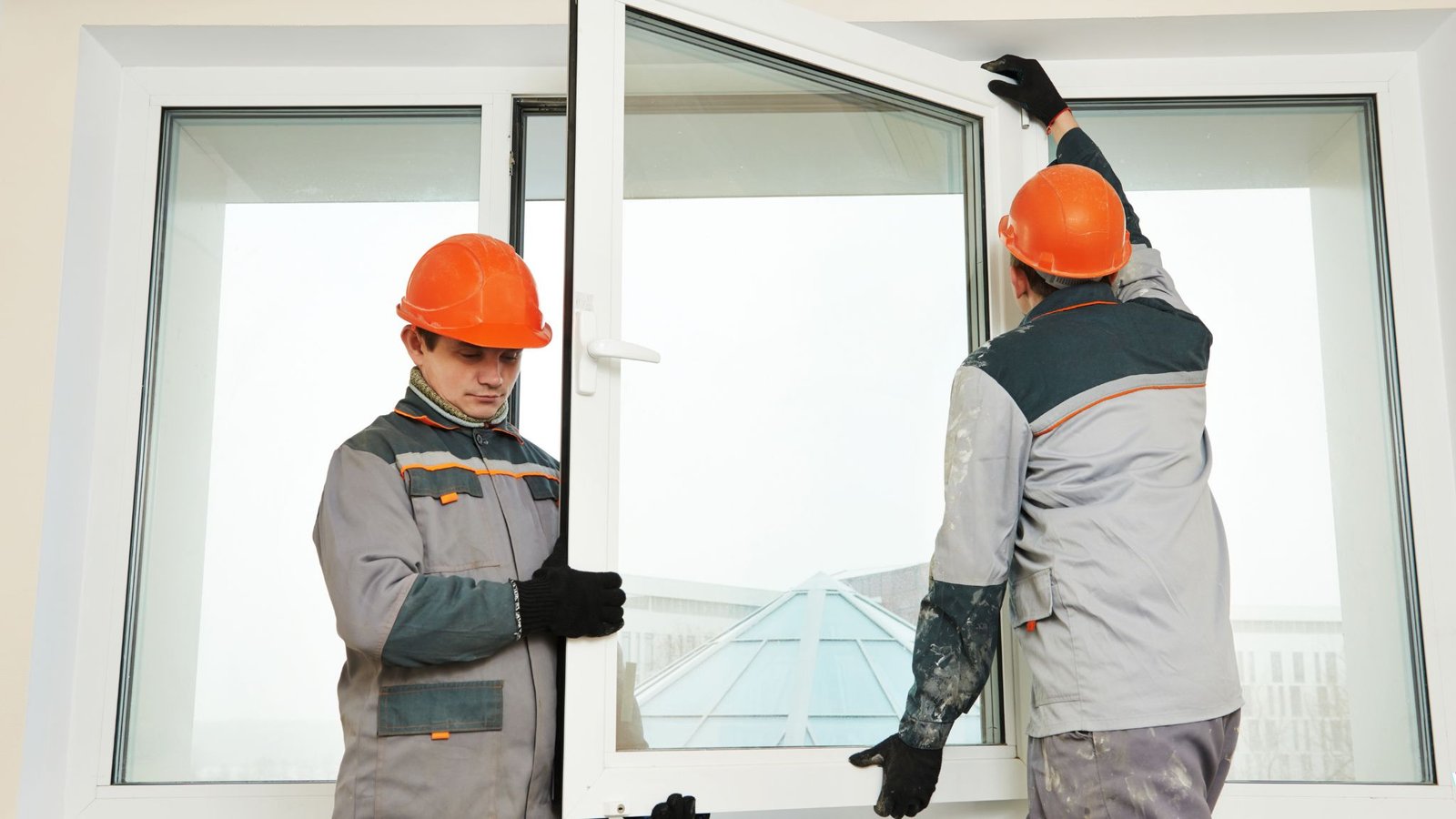
Proper installation is crucial—even the best windows perform poorly if incorrectly installed. Professional installation ensures proper flashing, air sealing, and integration with the building envelope. Most homeowners should use professional installers, particularly for large projects or complex window configurations.
DIY installation is feasible for handy homeowners tackling one or two windows, but whole-house projects generally warrant professional expertise. Many window manufacturers void warranties for improper installation, making professional installation additionally valuable.
Maintenance and Longevity
Quality energy-efficient windows require minimal maintenance, but proper care extends their lifespan and maintains performance.
Regular Cleaning and Inspection
Clean glass regularly with appropriate cleaners, avoiding abrasive materials that could damage Low-E coatings. Inspect weatherstripping annually, replacing it if damaged or deteriorated. Check window operation, lubricating hinges and locks as needed.
Inspect exterior caulking and sealants every few years, re-caulking where gaps or cracks develop. Proper sealing prevents water intrusion and air leakage, which reduces energy performance.
Expected Lifespan
Quality energy-efficient windows last 20-30 years with proper maintenance. Gas fills remain effective for 20+ years in well-manufactured windows. Low-E coatings don’t degrade significantly over window lifespans.
Window longevity depends on climate exposure, quality of original installation, and maintenance. Windows facing harsh sun and weather exposure may require earlier replacement than protected orientations.
Warranty Considerations
Window warranties vary significantly. Glass warranties typically cover 10-20 years against seal failure and gas loss. Frame warranties range from 10 years to lifetime, depending on the manufacturer and material. Transferable warranties add home resale value.
Understand warranty terms, exclusions, and whether warranties transfer to future homeowners. Quality manufacturers stand behind their products with comprehensive warranties reflecting confidence in long-term performance.
Conclusion: Maximizing Your Window Investment
Energy-efficient windows represent substantial investments delivering meaningful returns through reduced energy costs, improved comfort, enhanced home value, and environmental benefits. While the claim that windows can “cut utility bills in half” requires context, properly selected and installed energy-efficient windows can reduce heating and cooling costs by 30-50%, translating to hundreds or thousands of dollars in savings over window lifespans.
Understanding heat transfer mechanisms, modern window technologies, energy ratings, and realistic savings expectations empowers informed decision-making about whether window replacement makes sense for your home. Not every home benefits equally—existing window condition, climate, energy costs, and home longevity plans all factor into investment analysis.
For homes with single-pane or very old double-pane windows, replacement with modern energy-efficient windows almost always delivers strong returns, combining energy savings, comfort improvements, and increased home value. For homes with newer windows, careful analysis determines whether replacement makes financial sense or whether other energy improvements provide better returns.
When pursuing window replacement, match window specifications to your climate, balance performance and cost appropriately, choose quality products from reputable manufacturers, and invest in professional installation, ensuring optimal long-term performance. With proper selection and care, energy-efficient windows provide decades of value, delivering on their promise of substantial energy savings while creating more comfortable, valuable, and environmentally responsible homes.
Take time to assess your current windows, calculate potential savings based on your specific situation, explore available incentives to reduce net costs, and consult with multiple window professionals before committing. The investment in energy-efficient windows is significant, but for many homes, it represents one of the most impactful improvements you can make for long-term comfort, savings, and value.
In another related article, Complete Guide to Window Replacement for Homes: Everything You Need to Know