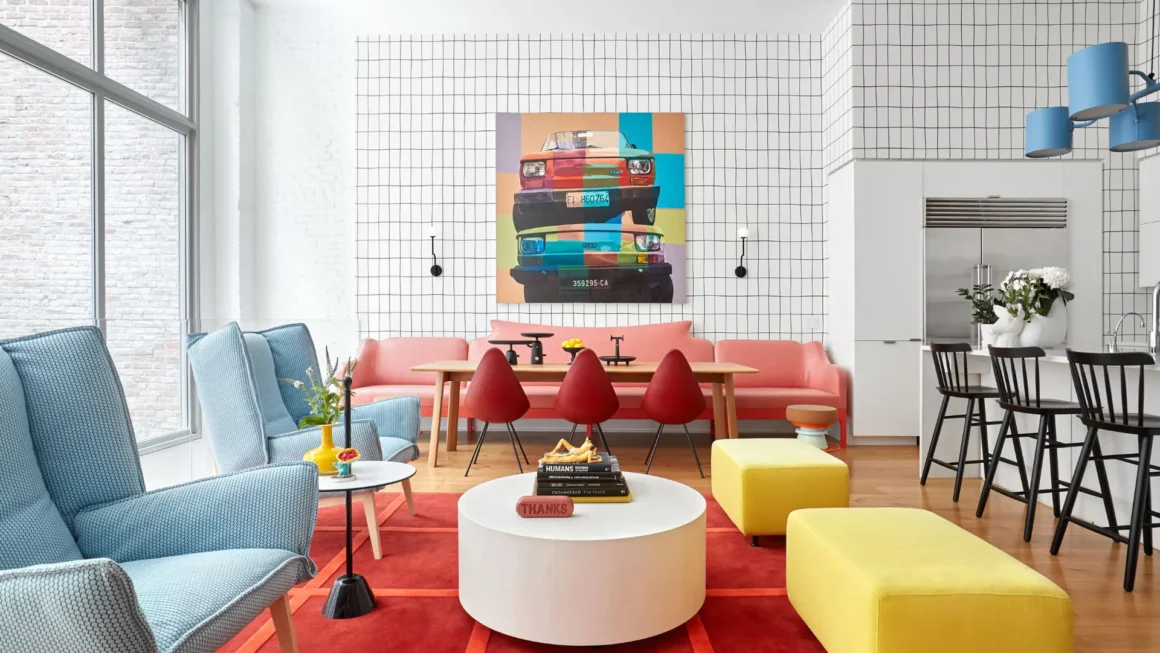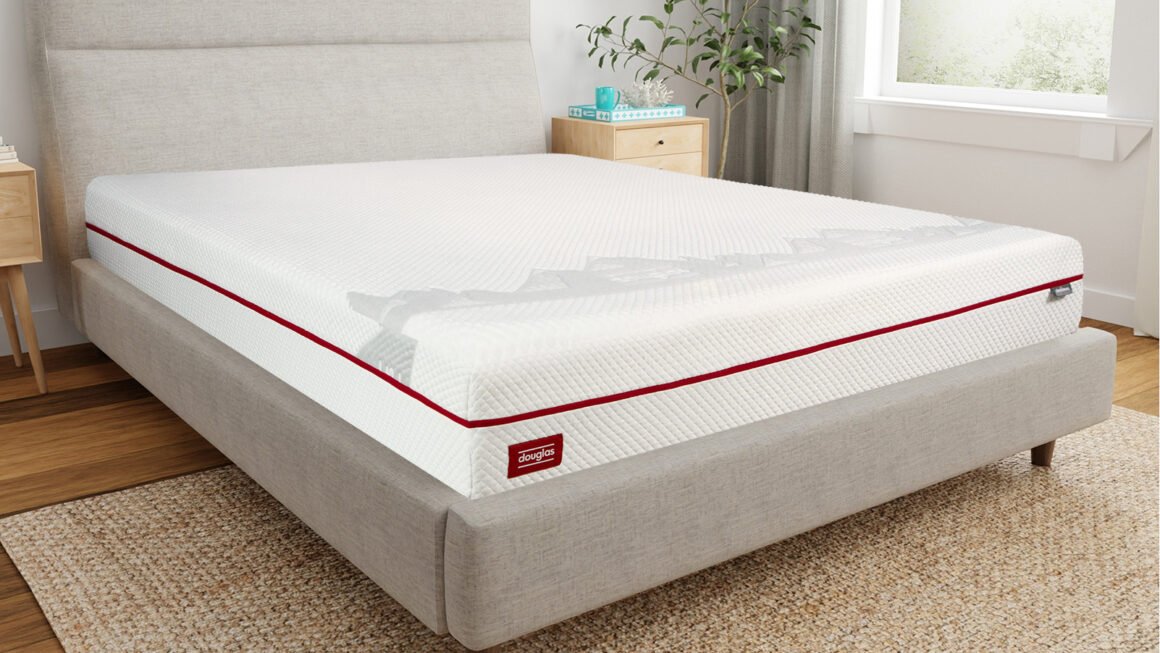
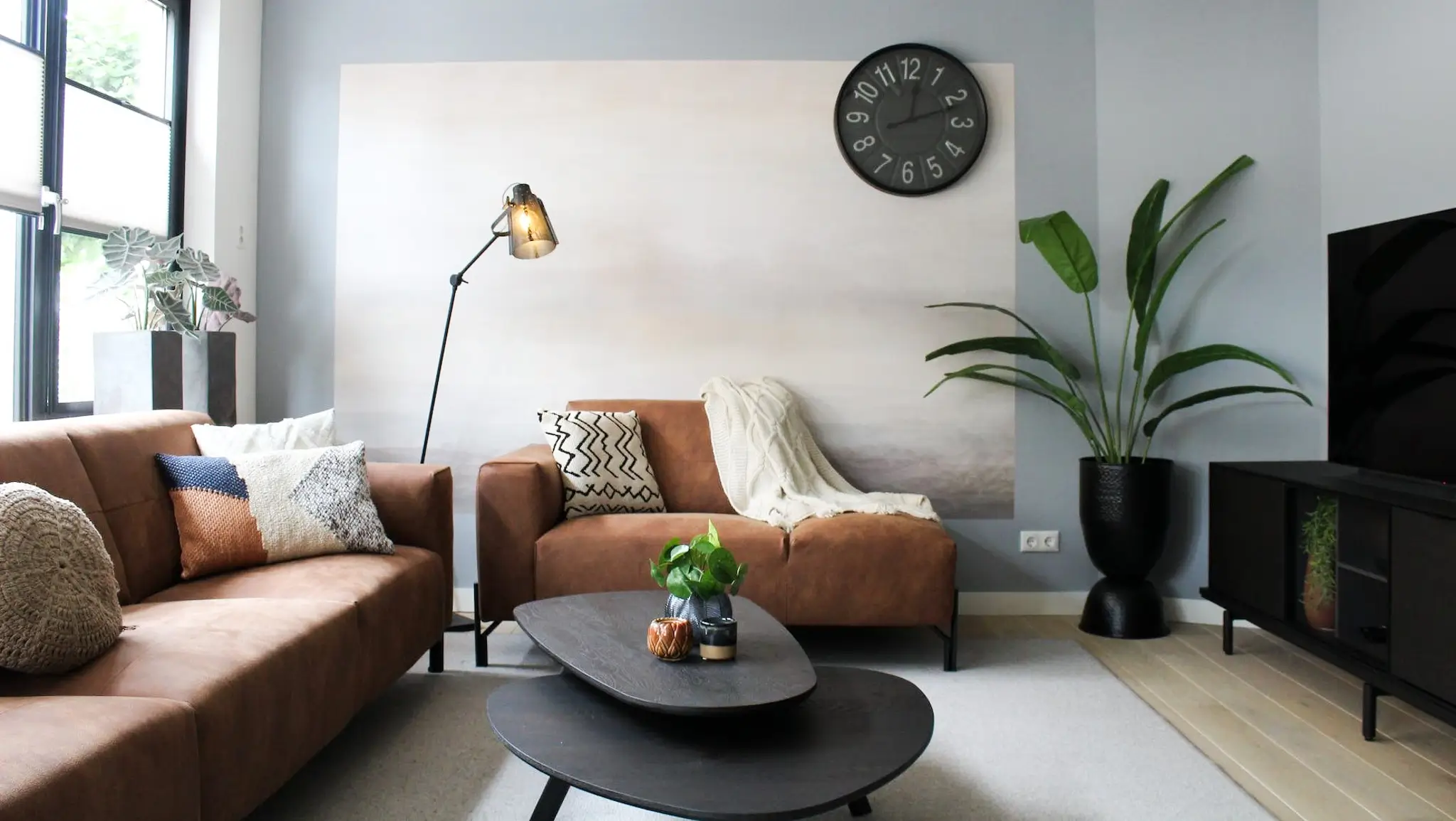
Introduction: A Beautiful Home Does Not Require a Bottomless Bank Account
There is a persistent and deeply frustrating myth in the world of interior design — the idea that a well-furnished, stylish, comfortable home is exclusively the domain of people with large disposable incomes. Scroll through any interior design magazine or luxury home account on social media, and it is easy to feel that furnishing your home beautifully requires spending tens of thousands of dollars on bespoke sofas, designer coffee tables, and artisan-crafted bedroom sets.
The truth is dramatically different. Some of the most beautifully furnished, warmly inviting, and genuinely characterful homes in existence were put together on surprisingly tight budgets. The difference between a home that looks expensive and one that actually was expensive often comes down not to money, but to knowledge — knowledge about where to shop, what to prioritize, how to negotiate, when to buy secondhand, and how to use design principles that make every dollar work harder.
This guide is your comprehensive, practical, room-by-room roadmap to furnishing your entire home on a tight budget. We will cover the mindset you need before you spend a single dollar, the strategies that save the most money without compromising on quality, and the specific tactics that experienced interior designers use to create stunning spaces on modest budgets. By the time you finish reading, you will have a complete toolkit for furnishing your home beautifully — regardless of how limited your budget may be.
Part One: The Mindset Shift That Changes Everything
Before we talk about where to shop or what to buy, we need to address the single most important factor in budget home furnishing: your mindset.
Stop Thinking About Furniture as a One-Time Purchase
The biggest mistake budget shoppers make is trying to furnish their entire home in one go — one big shopping trip, one enormous credit card bill, one frantic weekend of flat-pack assembly. This approach almost always leads to poor decisions, impulse buys, and furniture that looks mismatched and cheap.
Instead, think of furnishing your home as an ongoing, evolving process. Start with the absolute essentials — the pieces you genuinely cannot live without — and add to your home gradually, intentionally, and strategically over time. The most beautifully furnished homes are rarely assembled overnight. They are curated slowly, with patience and intention.
Define What “Tight Budget” Means for You
Budget is relative. For one person, a tight budget means five hundred dollars to furnish an entire apartment. For another, it means five thousand dollars to furnish a three-bedroom house. Before you begin, sit down and write a realistic total number — the maximum you can spend on furniture across your entire home — and then break it down by room based on priority.
A simple priority framework works like this: rooms you spend the most time in, and rooms that guests see first, deserve the largest share of your budget. For most people, this means the living room and bedroom get the most investment, while storage rooms, utility spaces, and guest rooms get the least.
Embrace the Long Game
The best budget furniture strategy is one that balances immediate need with long-term quality. Some pieces are worth spending more on because they will last for decades and are used every single day. Others are fine to buy cheaply because they receive little wear or can easily be replaced. Learning to distinguish between these two categories will save you enormous amounts of money over a lifetime of home ownership.
Part Two: The Golden Rules of Budget Furniture Shopping
These are the principles that underpin every smart, budget-conscious furniture decision. Master these rules, and you will never overpay for furniture again.
Rule 1: Spend More on High-Use, High-Visibility Pieces
Not all furniture is created equal in terms of daily use. Your sofa, your bed, your primary dining chairs, and your desk chair are used for hours every single day. The quality of these pieces directly affects your physical comfort, your sleep quality, your productivity, and your long-term health. These are the pieces where cutting corners is genuinely false economy — a cheap sofa that falls apart in two years costs far more over a decade than a quality piece bought at a fair price.
By contrast, a decorative console table in your hallway, a side table in the guest room, or a bookshelf in a rarely used study are low-use pieces where affordable options serve perfectly well. Redirect the money you save on low-use pieces toward the high-use pieces that genuinely matter.
Rule 2: Buy Secondhand First, New Second
The secondhand furniture market is one of the most underutilized resources available to budget shoppers. Furniture, unlike most consumer goods, does not depreciate because it gets used up — a well-made solid wood dining table from twenty years ago is often in better condition than a brand-new table made from cheap engineered wood today. The moment a new piece of furniture leaves the store, its resale value drops dramatically — often by fifty percent or more. This is your gain as a buyer.
Facebook Marketplace, Craigslist, eBay, local charity shops, estate sales, and specialist secondhand furniture stores are treasure troves of high-quality pieces at a fraction of their original retail price. People sell furniture for all kinds of reasons — moving house, upgrading, downsizing, divorcing, redecorating — and their urgency to sell is almost always your opportunity to buy well at a low price.
Rule 3: Never Pay Full Retail Price
Furniture retail is one of the few remaining industries where the listed price is genuinely negotiable, particularly in independent furniture stores. Clearance sales, floor model sales, end-of-season sales, and holiday sales can reduce furniture prices by thirty to seventy percent. Major furniture retailers run significant sales events several times per year — knowing when these happen and planning your purchases around them can save you hundreds of dollars on a single piece.
Additionally, many furniture stores will negotiate on price — particularly on floor models, discontinued lines, or pieces with minor cosmetic imperfections. It costs nothing to ask, and the answer is yes more often than most people realize.
Rule 4: Prioritize Timeless Over Trendy
Design trends are extraordinarily expensive to follow. A trendy piece of furniture that feels fresh and exciting today may look dated in three years — and when it does, you will feel compelled to replace it, spending money all over again. Budget shoppers cannot afford to chase trends.
Instead, invest your limited furniture budget in classic, timeless pieces — clean lines, neutral colors, simple silhouettes — that will remain stylish and relevant for decades. A simple, well-made oak dining table never goes out of style. A clean-lined linen sofa in a neutral tone will look as current in fifteen years as it does today. Timeless pieces are the foundation of any well-furnished home, and they are the foundation of genuinely smart budget shopping.
Rule 5: Measure Everything Before You Buy Anything
This rule sounds obvious, but is violated constantly by home furnishers at every budget level. Buying furniture that does not fit your space is one of the most expensive mistakes you can make — you waste the money spent on the wrong piece, and you still need to buy the right piece. Before you shop for anything, measure every room, doorway, and corridor in your home with a tape measure. Record these measurements in a notebook or your phone and consult them religiously before every purchase.
READ ALSO: Color Psychology in Furniture Selection — What Each Color Does to a Room
Part Three: Room-by-Room Budget Furnishing Guide
The Living Room — Creating a Welcoming Space for Less
The living room is the heart of most homes and the room where budget shoppers most often feel the pressure to overspend. Here is how to furnish a beautiful living room without breaking the bank.
The Sofa: Your Biggest Investment
The sofa is the single most important piece of furniture in your living room, and it is worth spending a significant portion of your living room budget here. A quality sofa used daily for ten to fifteen years costs far less per year than a cheap sofa replaced every three years. That said, “quality” does not necessarily mean “expensive retail price.”
Look for sofas at secondhand furniture stores, estate sales, and online marketplaces. A solid-frame sofa in a neutral, durable fabric like grey linen or charcoal wool can often be found secondhand for a fraction of its retail price. If you find a structurally sound sofa with an unattractive upholstery, consider having it reupholstered — this is often surprisingly affordable and produces a custom-quality result.
If buying new, look for sofas during major sale events. Mid-range retailers often discount sofas by forty percent or more during clearance periods. Avoid the cheapest possible sofas entirely — frames made from particleboard and cushions filled with low-density foam will collapse within two to three years of regular use.
Coffee Table and Side Tables: Go Affordable and Creative
Coffee tables and side tables are low-use, lower-visibility pieces where affordable options work perfectly well. Thrift stores and secondhand markets are excellent sources for these. A wooden crate turned on its side, a stack of large hardback books topped with a tray, or a simple wooden stump can all serve as perfectly functional and visually appealing coffee tables at minimal cost.
For side tables, mismatched pieces bought cheaply at charity shops can actually look deliberately eclectic and curated when tied together with a consistent color scheme or material — a small painted stool, a brass tray on a wooden base, a simple wicker basket. The key is intentionality.
Lighting: The Cheapest Way to Transform a Space
Lighting is one of the most underrated budget tools in home design. A beautiful floor lamp or table lamp from a discount home store or charity shop can completely transform the atmosphere of a living room for twenty to thirty dollars. Warm-toned bulbs (around 2700K color temperature) make any space feel instantly cozier and more inviting. Replace harsh overhead lighting with layered lamp lighting wherever possible — the difference is remarkable, and the cost is minimal.
Rugs: Shop Online and Buy Big
A rug is often the single most transformative purchase you can make for a living room. It anchors the furniture arrangement, adds warmth and texture, and creates the impression of a well-designed, intentional space. Online rug retailers frequently offer significant discounts compared to in-store prices — browse platforms like Wayfair, Ruggable, and Amazon for deals. Sales on rugs can be dramatic.
One critical rule: always buy a rug that is larger than you think you need. An undersized rug is one of the most common and most visually damaging mistakes in living room design. Ideally, all four legs of your sofa and chairs should sit on the rug.
The Bedroom — Sleeping Well Without Overspending
The Bed Frame: Function First, Beauty Second
Your bed frame is one of the most-used pieces of furniture in your home. It must be sturdy enough to support years of daily use without creaking, sagging, or failing. On a tight budget, prioritize structural integrity above aesthetics — a simple, solid wooden bed frame in a natural tone is both durable and visually flexible enough to work with almost any bedroom decor.
IKEA bed frames are a genuinely excellent budget option — well-engineered, widely available, and designed to accept universally sized mattresses. Secondhand bed frames are also an excellent option, with the important caveat that mattresses should always be purchased new for hygiene reasons.
The Mattress: Never Compromise Here
The mattress is the one bedroom purchase where you absolutely should not cut corners. You spend approximately one-third of your entire life sleeping, and the quality of your mattress directly affects your sleep quality, your back health, your energy levels, and your overall well-being. A poor-quality mattress is not a money-saving decision — it is a health risk.
Look for mattresses from reputable mid-range brands during sale events, particularly major holiday sales where discounts of thirty to fifty percent are common. Many online mattress companies offer trial periods of up to one hundred nights with full refunds — take advantage of these to ensure you are making the right choice before fully committing.
Bedroom Storage: Think Creatively
A wardrobe or dresser is essential in most bedrooms, but these do not need to be expensive. Freestanding wardrobes from flat-pack retailers are affordable and practical. A chest of drawers bought secondhand and refreshed with a coat of paint can look completely transformed — this is one of the highest-value DIY projects available to budget furnishers. Under-bed storage boxes, hanging wardrobe organizers, and over-door hooks are all low-cost solutions that dramatically increase bedroom storage capacity without requiring additional furniture purchases.
Bedding: Where a Small Splurge Pays Off
Good quality bedding — sheets, duvet, and pillows — makes a bigger difference to both sleep quality and bedroom aesthetics than almost any other bedroom purchase. Crisp white sheets in a quality cotton make any bed look luxurious, regardless of the furniture around them. Look for bedding during end-of-season sales, and always read thread count and material specifications before buying. Natural fibers like cotton and linen are more breathable and more durable than synthetic alternatives.
The Dining Room — Gathering Around the Table Without Spending a Fortune
The Dining Table: The Anchor Piece
A solid wood dining table is one of the best secondhand furniture purchases you can make. These tables are built to last for generations, they develop beautiful character with age, and they are frequently sold at dramatically reduced prices by people who are moving or upgrading. A fifty-dollar solid oak table found on Facebook Marketplace is genuinely superior to a three-hundred-dollar new table made from MDF and veneer.
If your secondhand find needs some attention — scratches, dullness, or minor damage — a light sanding and fresh coat of oil, wax, or paint can completely revitalize it. This is one of the most satisfying and high-value DIY projects in budget home furnishing.
Dining Chairs: Mix and Match Strategically
Matching dining chairs are expensive. A set of six identical chairs from a furniture retailer can easily cost several hundred dollars. A far more budget-friendly — and increasingly fashionable — approach is to mix and match dining chairs intentionally. Two chairs from one charity shop, two from another, two painted wooden chairs from a secondhand market — unified by a consistent color palette or material — can create a beautifully eclectic dining space that looks deliberately designed rather than budget-constrained.
Alternatively, a dining bench on one side of the table requires only one purchase rather than three or four individual chairs, and benches are often available for very little money secondhand.
The Home Office — Productive Without Being Pricey
The home office has become one of the most important rooms in many households, yet it is also one of the easiest to furnish on a budget because functionality matters far more than aesthetics here.
The Desk: Simple and Sturdy Wins
A desk does not need to be beautiful — it needs to be the right height, the right size, and structurally solid enough to support a computer and the associated equipment without wobbling. Secondhand desks are extraordinarily abundant and extraordinarily cheap. Office furniture depreciates rapidly when companies upgrade or close, meaning high-quality commercial desks are regularly available for almost nothing.
If you cannot find a suitable secondhand desk, a simple trestle-style desk — a solid wooden tabletop supported by two trestle legs — is one of the most affordable desk solutions available and looks clean and contemporary in any style of home office.
The Office Chair: Invest Here
Your office chair is a high-use piece with direct implications for your back health, posture, and productivity. If you work from home regularly, this is a piece worth spending real money on. That said, secondhand office chairs — particularly commercial-grade ergonomic chairs — are often available at a small fraction of their retail price when businesses upgrade or liquidate their equipment. Searching specifically for ergonomic office chairs on secondhand platforms can yield extraordinary value.
Shelving and Storage: DIY is Your Best Friend
Floating shelves are one of the most affordable, most practical, and most visually effective storage solutions for any home office. A set of simple pine floating shelves, sanded, stained, and mounted with proper wall brackets, costs very little and dramatically increases both storage capacity and the visual appeal of a home office. This is a project that requires only basic DIY skills and a few hours of time.
The Kitchen and Bathroom — Furnishing Without Full Renovation
Most people do not think of the kitchen and bathroom as rooms to “furnish,” but there are significant opportunities to improve these spaces on a tight budget through smart furniture and accessory choices.
In the kitchen, a free-standing kitchen island or a butcher block table can dramatically increase both workspace and storage at relatively low cost. Small kitchen carts on wheels are particularly valuable in compact kitchens — they provide extra prep space and storage while remaining movable. Open shelving, installed cheaply with simple brackets and wooden boards, can replace expensive cabinetry and create a bright, airy kitchen atmosphere.
In the bathroom, a freestanding shelving unit above or beside the toilet creates storage without requiring any installation work. A new mirror — bought inexpensively at a charity shop or discount store — can completely transform the visual impact of a bathroom. A quality bath mat and coordinated towels, bought during sales, bring color, warmth, and a sense of considered design to even the plainest bathroom.
Part Four: The Best Places to Buy Budget Furniture
Knowing where to shop is just as important as knowing what to buy. Here is a comprehensive guide to the best sources for budget furniture.
Facebook Marketplace and Craigslist are the gold standard for secondhand furniture shopping. The sheer volume of listings means that patient, regular browsers will find exceptional pieces at low prices. Set up search alerts for specific pieces you are looking for, and check listings daily — the best pieces sell within hours.
Charity Shops and Thrift Stores vary enormously in quality and pricing, but regular visitors to good charity shops will find genuinely excellent furniture pieces at very low prices. The key is to visit frequently and with an open mind — you cannot predict what will be on the floor on any given day, so consistency and patience are essential.
Estate Sales and House Clearances are among the most underutilized furniture sources for budget shoppers. When an estate is being cleared — whether after a death, a house move, or a downsizing — entire homes of furniture are sold at once, often at very low prices because the goal is to clear the space rather than maximize value. Estate sale listings are available online in most areas, and attending even one or two can yield extraordinary finds.
IKEA and Flat-Pack Retailers remain genuinely excellent sources for certain categories of furniture — particularly storage solutions, beds, and basic shelving. IKEA’s furniture is not always the most durable, but for low-use pieces and storage items, it represents excellent value. The IKEA secondhand section — available in many stores as “AS-IS” — offers further discounts on pieces with minor cosmetic imperfections.
Online Discount Retailers like Wayfair, Overstock, and Amazon Furniture frequently offer significant discounts on a wide range of furniture categories, particularly during major sale events. Read reviews carefully before purchasing, and pay close attention to return policies.
Local Auctions — both physical and online — are another underutilized resource. Furniture at auction can sell for dramatically below retail value, particularly at generalist auctions where furniture is not the primary category. Online auction platforms like eBay frequently list local collection-only furniture at very low prices.
Part Five: Budget-Friendly Ways to Make Inexpensive Furniture Look Expensive
Buying cheaply is only half the equation. The other half is knowing how to style and present your furniture so that the overall effect feels considered, cohesive, and high-quality — regardless of what individual pieces actually cost.
Paint is your most powerful tool. A can of paint costs very little and can completely transform a piece of furniture. A secondhand dresser in good structural condition but with an unattractive finish can be sanded and painted in a sophisticated tone — deep green, warm white, matte black, or warm grey — and become a genuinely beautiful piece. Paint is the single highest-return investment in budget home furnishing.
New hardware makes a dramatic difference. Replacing the handles, knobs, and pulls on budget or secondhand furniture with quality hardware is one of the most cost-effective upgrades available. Brass, black matte, and brushed nickel hardware are all currently fashionable and available for very little money. The before-and-after difference of simply replacing cheap plastic handles with beautiful brass pulls is genuinely remarkable.
Layer textures to add richness. Expensive-looking rooms are almost always rooms with multiple textures — smooth fabric against rough linen, polished wood against woven jute, smooth plaster against chunky knit. Adding textural variety through inexpensive throws, cushions, baskets, and rugs makes even the simplest furniture arrangement feel curated and luxurious.
Embrace negative space. One of the biggest design mistakes budget shoppers make is filling every surface and corner with objects in an attempt to make the space feel “complete.” Rooms with breathing room — thoughtful gaps between furniture, empty surfaces, uncluttered corners — actually feel more sophisticated and more expensive than rooms crammed with cheap filler pieces. Less, when curated well, always looks more.
Invest in plants. Living plants are among the cheapest and most powerful design tools available. A healthy, well-placed plant adds life, color, texture, and movement to any room — qualities that even the most expensive furniture cannot replicate. Trailing plants on high shelves, large-leafed statement plants in corners, and small succulents on windowsills all add enormous visual appeal for minimal cost.
Use consistent lighting. Warm, layered lighting makes every room — and every piece of furniture within it — look better. Replace harsh overhead bulbs with warm-toned alternatives, add floor lamps and table lamps wherever possible, and consider candles for evening atmosphere. Lighting is the cheapest and most transformative design upgrade available to budget home furnishers.
Part Six: Common Budget Furnishing Mistakes to Avoid
Even the most careful, well-intentioned budget shoppers fall into certain recurring traps. Here are the most common and most costly mistakes — and how to avoid them.
Buying too much too soon is perhaps the single most common mistake. In the excitement of moving into a new space, it is tempting to fill every room immediately. Resist this impulse. Live in your space for a few weeks before making major furniture purchases — you will learn how you actually use the space, where natural light falls at different times of day, and what you genuinely need versus what you think you need.
Prioritizing aesthetics over function leads to beautiful rooms that are genuinely unpleasant to live in. A stunning but uncomfortable sofa, a gorgeous but impractically small dining table, a beautiful but poorly organized bedroom — none of these serve the people who live with them. Always start with the function and add beauty on top of it.
Buying furniture that is too small for the space is a classic and very visual mistake. Undersized furniture makes rooms look awkward, unbalanced, and unfinished. When in doubt, go larger — a generous sofa in a large room always looks better than a small sofa swimming in space.
Ignoring the importance of cohesion leads to rooms that look like a collection of unrelated objects rather than a designed space. Even on a tight budget, you can create cohesion by choosing a consistent color palette, mixing materials in a deliberate way, and ensuring that all the pieces in a room feel like they belong together.
Neglecting the floor and walls is a mistake that undermines even the best furniture choices. A beautiful sofa on bare concrete in a room with naked walls will never look finished or inviting. Budget some portion of your overall spend for floor coverings and wall treatments — even simple, affordable solutions like a large jute rug and a few framed prints make an enormous difference to the overall impression of a space.
Conclusion: The Beautiful Truth About Budget Home Furnishing
Furnishing your entire home on a tight budget is not a compromise. It is a creative challenge — and when approached with the right knowledge, the right mindset, and the right strategies, it produces homes that are warmer, more characterful, and more personally meaningful than spaces furnished by simply throwing money at the problem.
The homes that feel most genuinely inviting — the ones where you walk in and immediately feel at ease, where every corner seems to tell a story, where the atmosphere is warm and real and human — are rarely the homes with the most expensive furniture. They are the homes where careful thought has been applied to every decision. Where the worn leather armchair from the estate sale has more personality than a showroom-perfect replacement. Where the painted dresser with the new brass handles is more beautiful than the brand-new alternative. Where the mismatched dining chairs around the secondhand oak table feel more alive than a matching set from a furniture superstore.
Money can buy furniture. It takes knowledge, patience, creativity, and intention to furnish a home. And those qualities — unlike a large budget — are available to absolutely everyone.
Start with what you need. Buy the best quality you can find. Shop secondhand before you shop new. Be patient, be deliberate, and be willing to add to your home slowly over time. Follow these principles, and you will furnish your entire home beautifully — on any budget at all.