Introduction: Why Your Living Room Matters More Than Ever
Your living room is the soul of your home—a space where life unfolds, conversations spark, memories form, and relaxation becomes an art. In 2025, as our homes continue to serve multiple purposes, designing a living room that perfectly balances aesthetics, comfort, and functionality has never been more important. Whether you’re furnishing your first apartment, renovating an existing space, or simply craving a refresh, this comprehensive guide will empower you to create a living room that truly feels like home.
The average person spends approximately 4-6 hours daily in their living room, making it one of the most-used spaces in any home. With remote work, streaming entertainment, and home-centered lifestyles becoming the norm, your living room design deserves thoughtful attention. This guide covers everything from foundational principles to finishing touches, ensuring your space looks magazine-worthy while serving your real-life needs.
Understanding Living Room Fundamentals: Start With Purpose
Define Your Living Room’s Primary Function
Before purchasing a single piece of furniture or selecting paint colors, identify how you’ll actually use your living room. This fundamental step guides every subsequent decision and prevents costly mistakes.
Entertainment-Focused Spaces: If your living room centers around movie nights, gaming sessions, or sports viewing, prioritize optimal screen placement and comfortable seating arrangements. Position your main seating 8-12 feet from your television for the best viewing experience. Consider the screen size-to-distance ratio: for a 55-inch TV, sit 7-9 feet away; for 65 TV, position seating 8-10 feet back. Acoustic considerations matter too—avoid placing speakers directly against walls where sound quality suffers.
Conversation-Centered Rooms: Families who prioritize face-to-face interaction need furniture arrangements that facilitate conversation. Create intimate seating clusters where people can comfortably hear each other without raising voices. The ideal conversation distance ranges from 4-8 feet—close enough for connection, far enough to avoid awkwardness. Circular, U-shaped, or parallel seating configurations work best for these purposes.
Multi-Functional Living Spaces: Modern living often demands rooms that transition seamlessly between activities. Your space might serve as a home office during work hours, a play area for children in the afternoon, and an adult relaxation zone in the evening. This requires strategic zoning, flexible furniture solutions, and smart storage systems that keep clutter at bay while maintaining visual appeal.
Formal Reception Areas: Some households maintain traditional formal living rooms reserved for guests and special occasions. These spaces typically feature more refined furnishings, careful symmetry, and sophisticated decor choices. While used less frequently, they create powerful first impressions and provide elegant settings for entertaining.
Assess Your Space: The Critical Foundation
Understanding your room’s physical characteristics prevents frustrating design mistakes and helps you maximize your space’s potential.
Accurate Measurements Are Non-Negotiable: Measure your living room’s length, width, and ceiling height precisely. Note the locations of windows, doors, electrical outlets, cable hookups, heating vents, and any architectural features like fireplaces, columns, or built-in shelving. Create a simple floor plan—graph paper or free apps like RoomSketcher, Planner 5D, or SketchUp make this process easier. These measurements become your roadmap, ensuring furniture fits properly before purchase.
Natural Light Assessment: Observe how sunlight moves through your room throughout the day. South-facing rooms receive abundant, consistent warm light—ideal for showcasing colors and creating bright, cheerful atmospheres. North-facing spaces get cooler, softer indirect light that may benefit from warmer color palettes and additional lighting solutions. East-facing rooms enjoy energizing morning sunshine, while west-facing rooms capture dramatic afternoon and sunset light that can cause glare issues requiring window treatments.
Traffic Flow Planning: Identify natural pathways people take through your living room. Maintain clear walkways at least 30-36 inches wide to ensure comfortable movement without bumping into furniture. High-traffic areas shouldn’t require navigating around coffee tables or stepping over ottoman corners. Think about how people enter the room, where they naturally want to go, and design around these movement patterns rather than against them.
Architectural Feature Recognition: Every living room has unique characteristics that can become design assets. Bay windows offer perfect reading nook potential. Exposed brick walls create instant focal points with authentic texture. Original hardwood floors tell stories worth showcasing. Built-in bookcases provide functional storage and display opportunities. Crown molding adds architectural interest to otherwise plain rooms. Work with these existing features rather than trying to hide or fight against them.
Creating the Perfect Living Room Layout: Arrange for Success
Fundamental Furniture Arrangement Principles
How you arrange furniture dramatically impacts your living room’s functionality, flow, and visual appeal. Several proven layout strategies work for different room shapes, sizes, and purposes.
Symmetrical Arrangements for Classic Balance: This timeless approach creates orderly, harmonious spaces through mirror-image furniture placement. Picture matching sofas facing each other across a coffee table, identical table lamps flanking a console, or twin chairs positioned on either side of a fireplace. Symmetrical layouts particularly suit traditional, transitional, and formal design styles. They create an immediately recognizable structure and balance that feels inherently “right” to the human eye.
Asymmetrical Balance for Modern Spaces: Contemporary and eclectic rooms often embrace asymmetry while maintaining visual equilibrium. You might place a large sectional on one side, balanced by a pair of accent chairs and a floor lamp on the other. The weights differ, but the overall composition feels balanced. This approach offers more flexibility and personality than strict symmetry while still creating cohesive, well-designed spaces.
Floating Furniture Creates Intimacy: Resist the temptation to push all furniture against walls, especially in larger rooms. Floating sofas and chairs away from perimeter walls creates more intimate, intentional seating arrangements. This technique particularly benefits open-concept homes where you need to define the living room within a larger flowing space. Pull your sofa 12-18 inches from the wall, creating space for a console table behind it that adds both function and visual interest.
Zoned Layouts for Multi-Purpose Rooms: When your living room serves multiple functions, create distinct activity zones through strategic furniture placement. A sofa and chairs might anchor your primary seating area, while a desk or console table behind the sofa carves out a workspace. Use area rugs to visually define these zones—a large rug under the seating area, a smaller one beneath the desk. Different lighting for each zone reinforces the separation while maintaining overall cohesion.
Developing Your Focal Point: The Anchor of Great Design
Every successful living room design revolves around a clear focal point—the element that immediately draws the eye and organizes the entire space.
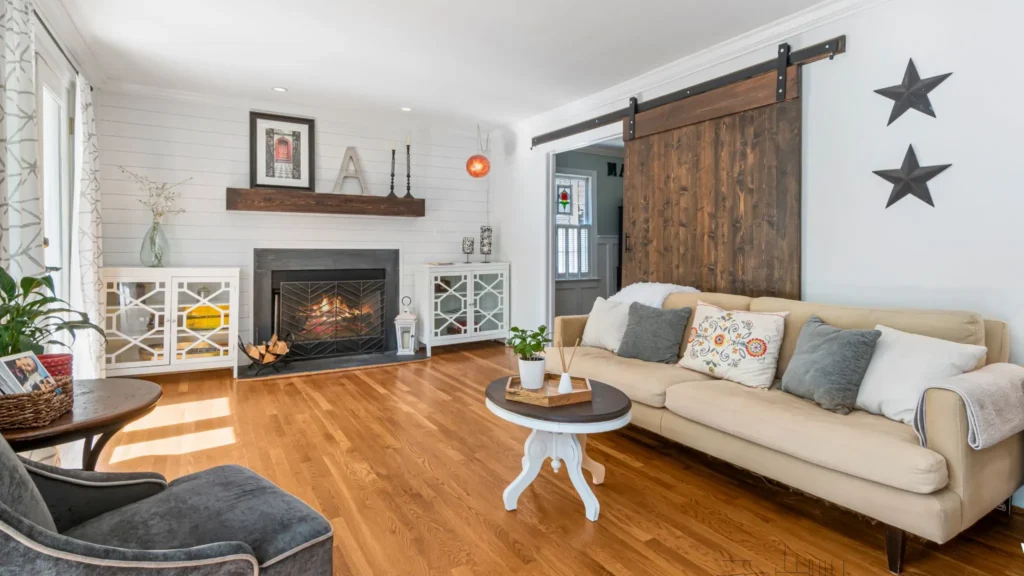
Natural Focal Points: Fireplaces traditionally serve as automatic focal points, with their inherent warmth and visual appeal. Large picture windows with stunning views compete for attention naturally. Dramatic architectural features like exposed beams, vaulted ceilings, or original brick walls command instant interest. When your room includes these built-in focal points, arrange your primary seating to face them, allowing these features to anchor your entire layout.
Created Focal Points: Rooms lacking natural focal points need manufactured ones. Accent walls painted in bold colors or covered in eye-catching wallpaper create instant interest. Large-scale artwork or gallery walls become conversation starters. Statement light fixtures—think dramatic chandeliers or sculptural pendants—draw eyes upward. Oversized mirrors reflect light while adding depth. Entertainment centers with integrated shelving and display areas can serve as functional focal points. The key is choosing one primary focal point rather than competing elements that confuse the eye.
Focal Point Furniture Arrangement: Once you’ve identified or created your focal point, arrange seating to face it. Your main sofa typically faces the focal point directly, with additional seating angled to maintain sight lines. Coffee tables sit between the focal point and seating, creating a functional bridge. This arrangement feels natural and guides traffic flow logically through the space.
Seating Strategy: Comfort Meets Capacity
Adequate, comfortable seating defines living room functionality. Plan for seating that accommodates your household size plus 2-4 additional guests comfortably.
Sofa Selection Science: Your sofa typically represents your largest furniture investment and most dominant piece. Standard sofas measure 72-96 inches long, while apartment sofas designed for smaller spaces range from 68-80 inches. Consider depth carefully—standard depths around 36-38 inches offer comfortable sitting, while deeper sofas (40-44 inches) enable lounging and napping but consume more floor space. Sectionals maximize seating capacity and work beautifully in corners or for defining open-concept spaces. Modular sofas offer ultimate flexibility with interchangeable pieces that reconfigure as needs change.
Complementary Seating Options: Accent chairs, loveseats, ottomans, and benches round out your seating plan. Mixing seating types adds visual interest while accommodating different comfort preferences—some guests prefer upright support while others sink into plush cushions. Chairs with exposed legs create lighter visual weight than fully upholstered pieces, helping smaller rooms feel more spacious.
Spacing for Comfort: Maintain 14-18 inches between your coffee table and seating for comfortable legroom. Leave 30-48 inches between major furniture pieces for easy movement. Conversation seating should position people 4-8 feet apart for comfortable interaction without shouting or awkward intimacy.
READ ALSO: 8 Best Coffee Tables With Storage in 2025: Stylish Solutions for Every Living Room
Color Schemes That Transform Spaces: Psychology Meets Design
Understanding Color’s Emotional Impact
Color profoundly influences mood, perception of space, and overall atmosphere. Strategic color choices can make rooms feel larger, cozier, energizing, or calming.
Neutral Foundations for Timeless Versatility: Whites, beiges, grays, greiges, and taupes create sophisticated backdrops that never go out of style. Neutral walls and large furniture pieces provide flexibility to experiment with color through easily changeable accessories, throw pillows, artwork, and seasonal decor. This approach offers long-term value as your tastes evolve without requiring major overhauls. In 2025, warm neutrals—greige, warm gray, and creamy whites—dominate over the cool grays of previous years.
Bold, Dramatic Statements: Deep jewel tones like emerald green, sapphire blue, rich burgundy, or charcoal create luxurious, cocooning environments. These saturated colors work particularly well in rooms used primarily during evening hours, where they create intimate, sophisticated atmospheres perfect for entertaining or relaxation. Balance dark walls with lighter furniture, metallic accents, and ample lighting to prevent caves. One dark accent wall can provide drama without overwhelming smaller spaces.
Light and Airy for Spaciousness: Soft pastels, pale blues, warm whites, and gentle greens maximize the feeling of openness and bring lightness to rooms with limited natural light. These schemes create serene, calming environments ideal for relaxation and stress relief. Light colors reflect more light, making rooms appear larger and brighter—crucial benefits for compact urban apartments or basement living rooms.
The 60-30-10 Color Rule: This foolproof formula ensures balanced color distribution. Use your dominant color for 60% of the room (typically walls and large furniture), a secondary color for 30% (upholstery, curtains, rugs), and an accent color for the remaining 10% (throw pillows, artwork, accessories, decorative objects). This ratio creates visual interest without overwhelming chaos.
2025 Color Trends: Earthy terracottas, sage greens, warm terracotta, soft peach, and rich chocolate browns reflect the current desire for nature-inspired, grounding palettes. These colors create warmth and connection while maintaining sophistication. Expect to see the continued popularity of monochromatic schemes using varying shades of a single color family for subtle, sophisticated depth.
Matching Colors to Design Styles
Different design aesthetics call for specific color approaches that reinforce their characteristics.
Modern Minimalism: Clean whites, soft grays, blacks, and occasional bold accent colors define minimalist palettes. Think primarily neutral with one striking color providing visual interest—perhaps a red accent chair against white walls or a teal throw against gray upholstery.
Scandinavian Design: Whites and light woods create the foundation, with soft grays, blacks, and gentle pastels adding subtle variation. Natural wood tones bring essential warmth to prevent sterility.
Farmhouse Style: Whites and creams dominate, with soft blues, gentle greens, and natural wood tones adding character. Black metal accents provide contrast and a modern edge to prevent overly sweet country vibes.
Mid-Century Modern: Warm wood tones combine with neutral bases and punchy accent colors—think mustard yellow, burnt orange, avocado green, or teal. These period-appropriate colors add authentic vintage flair.
Bohemian Eclectic: Rich jewel tones, warm earth colors, and global-inspired hues mix freely. Layered patterns in complementary colors create the characteristic boho richness and personality.
Essential Living Room Furniture: Investment Pieces That Matter
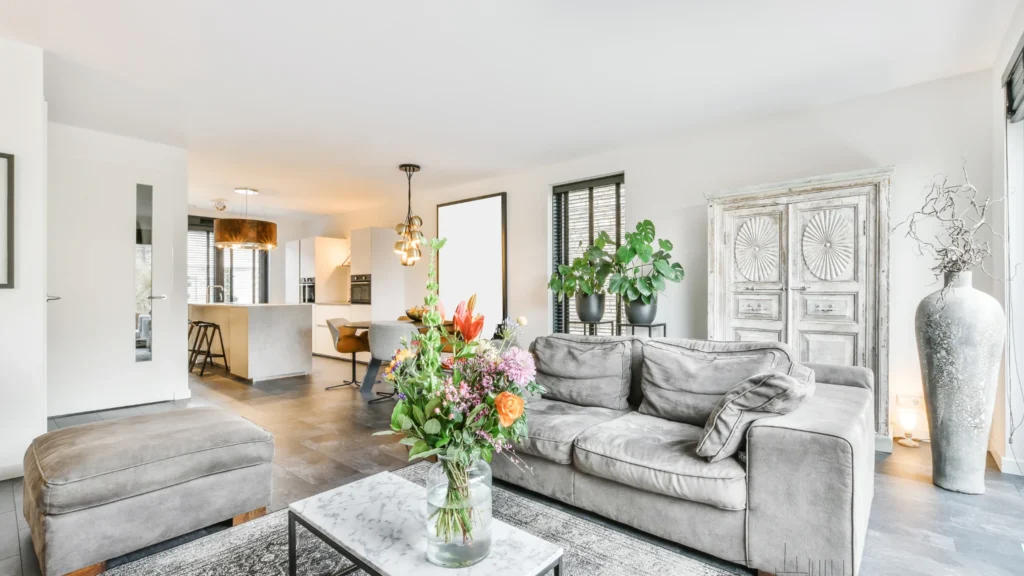
The Sofa: Your Cornerstone Investment
A quality sofa should last 7-15 years with proper care, making it worth investing in construction quality rather than focusing solely on price.
Construction Quality Indicators: Hardwood frames from kiln-dried oak, maple, ash, or beech provide structural integrity that lasts decades. Avoid sofas with particleboard or plywood frames that sag and break over time. Eight-way hand-tied springs offer superior support and comfort compared to sinuous springs or webbing. High-density foam cushions (1.8-2.5 pounds per cubic foot) maintain shape and support longer than cheap foam that compresses quickly. Down-wrapped cushions combine foam cores with down or feather outer layers for cloud-like comfort with structural support.
Fabric and Material Selection: Performance fabrics with stain resistance and durability suit busy households with children and pets. Brands like Crypton, Sunbrella, and Revolution offer cleanable, durable options in stylish patterns. Leather develops beautiful patina over time and wipes clean easily, though it requires occasional conditioning. Natural fabrics like cotton, linen, and wool provide breathability and comfort but may stain more easily. Consider your lifestyle honestly—white linen looks stunning but may not survive young children and red wine.
Sizing and Scale Proportions: Your sofa should be approximately two-thirds the length of your wall for proper visual balance. In a 12-foot wall, an 8-foot sofa looks proportional. Measure doorways, stairwells, and hallways before purchasing—many furniture mishaps stem from the inability to get pieces into rooms. Most manufacturers provide dimensions for doorway clearance requirements.
Coffee Tables: Functional Centerpieces
Coffee tables serve as both practical surfaces and design anchors. Proper sizing and style selection make significant differences in functionality and aesthetics.
Size and Height Guidelines: Your coffee table should measure approximately two-thirds the length of your sofa and sit 14-18 inches away. Standard coffee table height ranges from 16-18 inches, matching most sofa seat heights for comfortable reach. Lower tables (12-16 inches) suit low-profile modern furniture, while taller tables (18-21 inches) work with traditional higher sofas.
Material Choices and Styles: Solid wood tables bring warmth, natural beauty, and durability. Glass creates a lighter visual weight ideal for smaller spaces while showcasing beautiful rugs underneath. Metal and mixed-material designs add industrial or contemporary flair. Upholstered ottoman-style coffee tables provide flexible functionality as seating, footrests, or cushioned surfaces while hiding hard edges—excellent for homes with young children.
Storage Integration: Coffee tables with drawers, shelves, or lift-top mechanisms help combat clutter while maintaining clean surfaces. Store remote controls, magazines, coasters, blankets, and other items out of sight but easily accessible. Baskets beneath open-shelf coffee tables provide flexible, movable storage options.
Additional Essential Furniture Pieces
End Tables and Side Tables: Position these beside sofas and chairs for convenient lamp placement, drink surfaces, and phone charging stations. Heights should match or come close to arm heights (24-26 inches typically) for comfortable reach without awkward stretching.
Entertainment Centers and Media Consoles: These pieces house electronics while providing storage and display opportunities. Choose consoles at least slightly wider than your television for balanced proportions. Cable management features—holes, channels, or hidden compartments—prevent unsightly wire tangles. Open shelving displays books, plants, and decorative objects while closed cabinets hide clutter.
Bookcases and Display Shelving: These pieces add vertical interest, storage capacity, and personality through curated displays. Style shelves thoughtfully by varying heights, mixing horizontal and vertical book orientations, incorporating decorative objects, and leaving negative space for breathing room. The rule of thirds works beautifully—group items in odd numbers (three, five) for more dynamic, interesting vignettes.
Lighting Design: Layering for Functionality and Ambiance
The Three-Layer Lighting Approach
Professional designers rely on three distinct lighting types working together to create fully functional, beautiful living rooms.
Ambient Lighting (General Illumination): This foundational layer provides overall light for navigating and basic activities. Ceiling-mounted fixtures, chandeliers, recessed lighting, or track lighting typically supply ambient light. Aim for approximately 20 lumens per square foot for living rooms—a 200-square-foot room needs roughly 4,000 lumens total. Dimmer switches add versatility, allowing adjustment from bright task lighting to soft evening ambiance.
Task Lighting (Focused Functionality): Task lights illuminate specific activities like reading, working on laptops, or hobbies. Table lamps beside seating areas, floor lamps arching over chairs, and adjustable desk lamps provide directed light where needed. Reading requires approximately 450 lumens (50 lumens per square foot) directed on pages. Position reading lights slightly behind and to the side of your shoulder to minimize glare and shadows.
Accent Lighting (Dramatic Effect): This decorative layer highlights architectural features, artwork, or design elements while adding depth and visual interest. Picture lights, track lighting directed at walls, LED strip lights behind TVs or under shelves, and uplights near plants all serve as accent lighting. This layer creates atmosphere and sophistication beyond mere functionality.
Fixture Selection and Placement Strategy
Ceiling Fixtures: Chandeliers, pendant lights, and flush-mount fixtures anchor rooms while providing ambient light. In living rooms with 8-foot ceilings, the bottom of fixtures should hang approximately 7 feet above the floor. For higher ceilings, allow 3 inches of fixture height for each additional foot of ceiling height. Fixtures should be approximately one-third the width of the table or seating area they illuminate.
Floor Lamps for Flexibility: These versatile pieces add light without electrical work. Arc floor lamps reach over seating to provide overhead reading light without ceiling fixtures. Torchiere lamps bounce light off ceilings for soft ambient illumination. Tripod and sculptural floor lamps double as design statements while providing functional light.
Table Lamps as Design Elements: Choose lamps that reflect your style while complementing proportions. Lamp height (including shade) should be roughly 1.5 times the height of the table it sits on. The bottom of the shades should align with eye level when seated (typically 38-42 inches from the floor) to prevent glare.
Smart Lighting Technology: Smart bulbs, switches, and systems allow control from phones, voice assistants, or automation schedules. Create custom scenes for different activities—bright for cleaning, dimmed for movie nights, warm tones for evening relaxation. Color-changing bulbs add flexibility for holidays or mood adjustments.
Window Treatments: Privacy Meets Style
Selecting Appropriate Window Coverings
Window treatments control natural light, provide privacy, improve energy efficiency, and significantly impact aesthetics.
Curtains and Drapes for Softness: Floor-length curtains add elegance and height to rooms. Hang curtain rods 4-6 inches above window frames and extend them 6-12 inches beyond frames on each side. This allows curtains to stack off the glass when open, maximizing light. For luxurious fullness, select panels twice the width of your windows. Light-filtering sheers provide daytime privacy while allowing natural light, while blackout curtains control light for media viewing.
Blinds for Clean Lines: Horizontal blinds (Venetian, faux wood, aluminum) and vertical blinds offer adjustable light control with streamlined appearances. Faux wood blinds resist moisture and warping better than real wood while costing less. Two-inch slats suit standard windows while wider slats (2.5-3 inches) work better on larger windows.
Shades for Modern Simplicity: Roller shades, Roman shades, cellular shades, and woven wood shades provide various style options with space-efficient designs. Cellular shades offer excellent insulation, trapping air in honeycomb pockets to improve energy efficiency. Roman shades add softness similar to curtains while taking up less space. Roller shades offer the most minimal aesthetic.
Layering for Maximum Flexibility: Combine sheers with curtains or blinds with drapes for ultimate control over light and privacy. This layered approach allows various configurations—sheers alone for daytime, sheers plus curtains for privacy with soft light, or everything open for maximum brightness.
Accessories and Finishing Touches: Details That Define Style
Art and Wall Decor
Blank walls feel incomplete, but poorly arranged art looks worse than none. Follow these guidelines for gallery-worthy displays.
Artwork Sizing: Above sofas, artwork or arrangements should span approximately two-thirds to three-quarters of the sofa’s width. A single piece should measure at least 30 inches wide for standard sofas. Center artwork at eye level (57-60 inches from floor to center) or 6-8 inches above furniture top edges.
Gallery Wall Arrangements: Plan layouts on the floor first, arranging pieces until satisfied before hammering nails. Maintain 2-4 inches between frames for cohesive groupings. Mix frame styles, sizes, and orientations while maintaining common elements—matching frames, similar mats, or unified color palettes—for coherence amid variety.
Rugs That Anchor and Define
Area rugs, ground furniture arrangements define zones in open spaces, add warmth, and introduce pattern and texture.
Size Selection Rules: Living room rugs should fit under at least the front legs of all major seating pieces, with 18-24 inches extending beyond furniture on all sides, creating ideal proportions. Common sizes include 5×8 feet (small seating areas), 8×10 feet (most living rooms), and 9×12 or 10×14 feet (larger spaces). Too-small rugs floating in the middle of rooms look like postage stamps and make spaces feel disconnected.
Material Considerations: Wool rugs offer durability, natural stain resistance, and luxurious softness. Synthetic materials like polypropylene and nylon resist staining and cost less while sacrificing some softness. Natural fibers—jute, sisal, seagrass—add organic texture and work well in casual, coastal, or bohemian spaces, but feel rough underfoot. Cotton rugs work well in low-traffic areas and wash easily, but lack durability for high-use zones.
Throw Pillows and Blankets
These affordable accessories provide easy ways to refresh color schemes, add seasonal touches, and enhance comfort.
Pillow Arrangement Guidelines: Use varying sizes for visual interest—mix 22-24 inch pillows in back corners, 20-inch pillows in front, and 18-inch accent pillows or lumbar pillows in front for depth. Odd numbers (3, 5, 7) create more dynamic arrangements than even groupings. Mix patterns by varying scale—pair large-scale patterns with small-scale designs or solids.
Texture Layering: Combine smooth fabrics (silk, velvet, faux leather) with textured materials (cable knit, faux fur, linen, burlap) for sensory and visual interest. Seasonal swaps keep rooms feeling fresh—lightweight cottons and linens for summer, chunky knits and faux furs for winter.
Plants and Greenery
Indoor plants purify air, add life and color, and soften hard architectural lines.
Low-Maintenance Options: Snake plants, pothos, ZZ plants, and philodendrons tolerate neglect and low light conditions—ideal for beginners or busy households. Fiddle leaf figs, rubber trees, and monstera deliciosa make dramatic statement plants in corners with bright indirect light.
Styling Plants Effectively: Vary heights using floor stands, hanging planters, and tabletop pots. Group plants in odd numbers for more interesting displays. Choose pots that complement your decor style—ceramic for traditional spaces, woven baskets for bohemian looks, sleek metal or concrete for modern rooms.
Budget-Conscious Living Room Design: Style Without Breaking the Bank
Strategic Spending for Maximum Impact
You don’t need unlimited funds to create beautiful, functional living rooms. Smart prioritization and creative solutions deliver impressive results on modest budgets.
Invest in Quality Foundations: Spend more on items you’ll use daily and keep long-term—sofas, area rugs, and window treatments. These pieces impact comfort, durability, and overall aesthetic significantly. Budget furniture often requires replacement within 2-3 years, while quality pieces last 10-15 years, making them more economical long-term.
Save on Easily Changeable Items: Purchase affordable accessories, throw pillows, small decorative objects, and artwork you can swap seasonally or when tastes change. These items update their looks without major investments. Thrift stores, estate sales, and online marketplaces offer unique finds at fraction-of-retail prices.
DIY Projects Add Personal Touches: Paint accent walls yourself, create gallery walls from printed photos, refinish thrift store furniture finds, or sew custom curtains. DIY projects save money while adding personalized character, impossible to achieve with mass-produced items.
Prioritized Action Plan
- Start with neutral, versatile foundations (sofa, rug)
- Add essential functional pieces (coffee table, lighting)
- Incorporate storage solutions (shelving, baskets)
- Layer in comfort elements (pillows, throws, curtains)
- Finish with personality touches (art, plants, decorative objects)
Common Living Room Design Mistakes to Avoid
Learning from others’ errors saves time, money, and frustration.
Pushing All Furniture Against Walls: This creates awkward conversation distances and makes rooms feel like waiting rooms. Float furniture to create intimate groupings.
Wrong-Sized Rugs: Too-small rugs disconnect furniture and make rooms feel choppy. Ensure rugs fit under at least the furniture front legs.
Poor Lighting: Relying solely on harsh overhead lights creates unflattering, uncomfortable environments. Layer multiple light sources at different heights.
Ignoring Traffic Flow: Blocking natural pathways with furniture creates daily frustration. Maintain clear walkways throughout.
Matching Everything: Overly coordinated rooms lack personality and depth. Mix textures, styles, and finishes for more interesting spaces.
Neglecting Scale: Oversized furniture overwhelms small rooms while tiny pieces look lost in large spaces. Choose proportions appropriate for your room size.
Forgetting Functionality: Beautiful but uncomfortable furniture serves no purpose. Test seating before purchasing and ensure pieces suit actual usage.
Conclusion: Your Living Room, Your Sanctuary
Creating your ideal living room requires thoughtful planning, quality investments, and personal touches that reflect your unique style and needs. The principles outlined in this guide—understanding your space, planning functional layouts, selecting appropriate furniture, layering lighting, and adding accessories—provide the foundation for spaces that look professionally designed while serving your real life.
Remember that great living rooms evolve. Start with quality foundations, add layers gradually, and adjust as your needs and tastes change. Your living room should work for you, not the other way around. Whether you prefer minimalist modern, cozy farmhouse, eclectic bohemian, or timeless traditional style, these universal design principles adapt to any aesthetic while ensuring your space functions beautifully for years to come.
Take your time, make deliberate choices, and most importantly, create a living room that makes you happy to come home. After all, the best living room design is one you love living in.
In another related article, 8 Best Modern Floor Lamps for Living Room in 2025: Illuminate Your Space Stylishly