
The dream of a beautifully designed home filled with iconic furniture pieces doesn’t have to remain out of reach due to budget constraints. The world of furniture dupes has evolved dramatically, offering sophisticated alternatives to designer pieces that deliver the aesthetic impact of luxury furniture at a fraction of the cost. This comprehensive guide explores how to achieve high-end interior design on a realistic budget through strategic shopping, quality assessment, and smart styling.
Understanding Furniture Dupes: More Than Just Knockoffs
The term “dupe” has become increasingly popular in consumer culture, referring to products that capture the essence and aesthetic of luxury items while remaining legally distinct and significantly more affordable. In the furniture world, dupes occupy an important middle ground between illegal counterfeits and completely original designs.
A quality furniture dupe draws inspiration from iconic designer pieces, capturing their visual appeal, proportions, and overall aesthetic without directly copying protected design elements or trademarks. These pieces allow homeowners to achieve the look of classic designs that have shaped interior design history without the five-figure price tags that often accompany authentic designer furniture.
The distinction between dupes and counterfeits is crucial. Counterfeits illegally reproduce trademarked designs, logos, and protected intellectual property, often using inferior materials and construction methods. Dupes, conversely, create similar aesthetics through legal means, sometimes making subtle design changes that differentiate them from the original while maintaining the overall look and feel.
The market for furniture dupes has exploded as consumers become more design-savvy yet face economic pressures that make designer furniture inaccessible. Social media platforms have democratized interior design knowledge, exposing millions to iconic furniture pieces while simultaneously sharing resources for finding affordable alternatives. This cultural shift has pushed manufacturers to create better quality dupes that don’t just look similar but also offer respectable durability and comfort.
Understanding what makes designer furniture expensive helps explain why dupes can offer similar aesthetics at lower prices. Designer pieces command premium prices for several reasons beyond the actual materials and construction. Brand heritage and prestige significantly inflate costs, as do limited production runs that create exclusivity. Designer furniture often involves handcrafted elements and premium materials sourced from specific regions. Marketing, retail overhead, and designer royalties all contribute to final pricing. Dupes eliminate or reduce many of these cost factors while focusing on replicating the visual elements that make pieces recognizable and desirable.
Iconic Designer Pieces and Their Best Dupes
Several furniture designs have achieved iconic status, becoming symbols of sophisticated interior design. Understanding these classics and their affordable alternatives provides a foundation for creating elevated spaces on a budget.
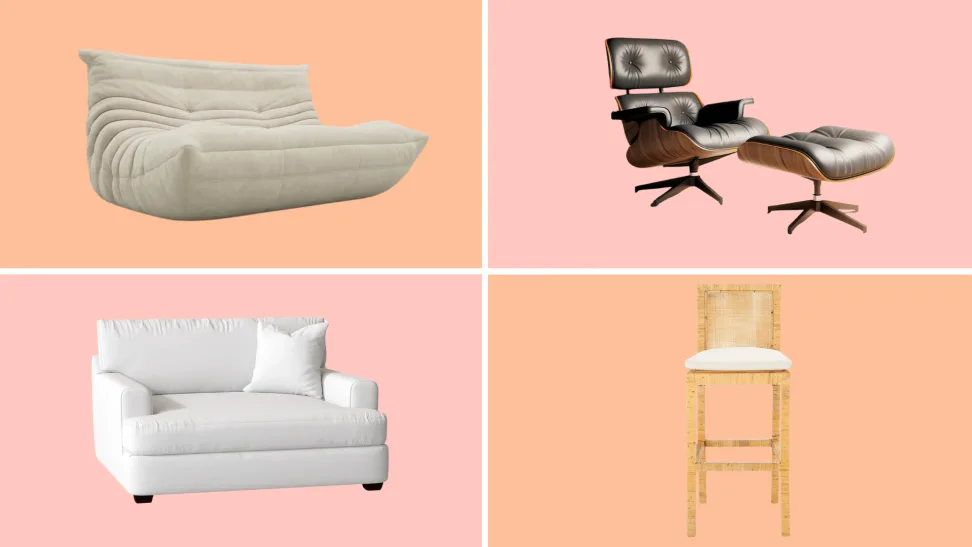
The Eames Lounge Chair and Ottoman represent perhaps the most recognizable mid-century modern piece ever created. Originally designed in 1956, authentic versions retail for over seven thousand dollars. The chair’s distinctive molded plywood shell, leather upholstery, and luxurious proportions have inspired countless interpretations. Quality dupes capture the essential silhouette and comfort while using alternative materials like molded plastic shells with real or faux leather upholstery. Prices for respectable dupes range from four hundred to one thousand dollars, delivering the iconic look at a fraction of the original cost.
When evaluating Eames-style lounge chair dupes, pay attention to the angle of recline, which should feel natural and comfortable. The ottoman height should align properly with the chair for leg support. Quality versions use thick cushioning that maintains shape rather than flattening immediately. The wood grain should be continuous and attractive, even if it’s veneer rather than solid wood. The base should feel substantial and stable with smooth swivel action.
The Noguchi Coffee Table, with its distinctive sculptural base and glass top, has defined modern living rooms since 1948. Authentic versions cost over one thousand dollars, while quality dupes range from two hundred to five hundred dollars. The key to a good Noguchi dupe lies in the proportions of the wooden base—the curves should be graceful and balanced, not awkward or chunky. The glass should be substantial, at least three-eighths of an inch thick, with smooth, beveled edges. The two interlocking wooden pieces should fit together precisely, creating the distinctive sculptural form.
The Barcelona Chair, designed by Mies van der Rohe for the 1929 International Exposition, epitomizes modernist elegance with its tufted leather cushions and distinctive X-frame chrome base. Authentic versions exceed five thousand dollars. Quality dupes ranging from five hundred to twelve hundred dollars capture the essential aesthetic. Look for stainless steel or chrome-plated steel frames with proper weight and substance. The leather or faux leather should be thick with tight, even tufting. The cushions should have substantial padding that creates the characteristic plush appearance. The X-frame should be precisely welded with smooth, polished surfaces.
The Arco Floor Lamp has illuminated stylish interiors since 1962 with its dramatic arcing silhouette and heavy marble base. Authentic versions cost over two thousand dollars. Dupes ranging from two hundred to six hundred dollars recreate the impact. The key quality indicator is the base material—better dupes use real marble or other substantial stone rather than lightweight resin. The arc should be sturdy metal, not hollow lightweight tubing that bounces when the shade moves. The shade should be sized properly to balance the overall proportions.
The Saarinen Tulip Table revolutionized dining furniture with its single pedestal base, eliminating visual clutter from four legs. Authentic dining tables start around two thousand dollars and increase based on size. Quality dupes range from four hundred to one thousand dollars. Examine the pedestal joint to the top—it should be sturdy and well-engineered rather than wobbly. The top surface should be smooth and well-finished, whether laminate, wood, or marble. The base should be weighted adequately to prevent tipping.
The Womb Chair’s enveloping form has provided comfortable seating since 1948. Authentic versions cost over five thousand dollars. Dupes ranging from four hundred to nine hundred dollars offer similar comfort and aesthetics. The key is adequate padding—cheap versions skimp on foam, resulting in uncomfortable seating. The shell should be fiberglass or molded plastic, not a flimsy, thin material. The ottoman, if included, should complement the chair’s proportions.
Chesterfield Sofas with their distinctive deep button tufting and rolled arms have symbolized luxury since the 1700s. While traditional British-made authentic Chesterfields can exceed ten thousand dollars, quality dupes range from eight hundred to two thousand dollars. Look for genuine or quality faux leather with consistent thickness. Tufting should be deep and evenly spaced with sturdy buttons that won’t pull loose. The frame should be solid hardwood, not particleboard. Springs should be individually tied rather than cheap coil systems.
Where to Find the Best Furniture Dupes
Knowing where to shop dramatically impacts the quality and value of furniture dupes. Different retailers specialize in various price points and quality levels.
The article has built a reputation for well-designed, affordable furniture that channels mid-century modern and Scandinavian aesthetics. Their pieces aren’t direct dupes but capture the essence of designer furniture at accessible prices. Quality tends to be solid for the price point, with real wood legs, durable upholstery, and thoughtful construction. Prices typically range from several hundred to two thousand dollars for major pieces.
West Elm offers contemporary designs that echo high-end furniture aesthetics without directly copying specific pieces. Their mid-century modern collection captures the era’s aesthetic with quality materials, including solid wood frames and real leather options. Regular sales can bring prices down significantly from already moderate retail costs.
AllModern specializes in modern and contemporary furniture across various price points. Their extensive selection includes obvious dupes of iconic designs alongside original pieces. Quality varies significantly, making careful review reading essential. The site’s filtering options help narrow down choices by price, material, and customer ratings.
Wayfair’s massive inventory includes everything from extremely budget options to higher-quality dupes. The challenge lies in sorting through the volume to find quality pieces. Focus on highly rated items with detailed reviews mentioning construction quality and durability. Wayfair’s liberal return policy provides some protection against disappointment.
Target has dramatically elevated its furniture offerings through partnerships with designers and its own Project 62 line. While pieces aren’t typically direct dupes of specific designer furniture, they capture contemporary aesthetics at remarkably affordable prices. Quality has improved significantly, though pieces still generally suit shorter-term needs rather than lifetime furniture.
Amazon’s furniture selection has expanded enormously, including many direct dupes of famous designs. Quality varies wildly from impressive to terrible, making review analysis critical. Look for sellers with consistently high ratings across multiple products. Pay attention to reviews that include photos showing actual received items and discussing assembly quality and durability after months of use.
Overstock offers brand-name and generic furniture at discounted prices. Their flash sales can provide exceptional deals on quality dupes. The site’s club membership program offers additional discounts that can make premium dupes more accessible.
Joybird allows customization of mid-century inspired pieces, letting you select fabrics, leg finishes, and configurations. While not the cheapest option for dupes, their quality exceeds most alternatives with kiln-dried hardwood frames and eight-way hand-tied springs in seating. The ability to customize means you can create something unique rather than an obvious copy.
Facebook Marketplace and Craigslist occasionally yield excellent finds when people sell newer furniture during moves. You can sometimes find last year’s dupes in excellent condition at half the original price. The key is patience and a quick response when quality pieces appear.
High-end consignment and vintage stores sometimes carry authentic designer pieces at significant discounts. While still more expensive than dupes, a used authentic piece might cost less than buying new and provide superior quality and longevity.
Evaluating Quality: What Separates Good Dupes from Garbage
Not all dupes offer equal value. Learning to assess quality helps you invest in pieces that deliver long-term satisfaction rather than disappointment.
Frame construction determines furniture longevity, especially for seating. Quality sofas and chairs use kiln-dried hardwood frames joined with dowels, corner blocks, and wood glue rather than staples and nails. Cheaper alternatives use particleboard or softwood that weakens quickly. When possible, examine the underside of furniture or ask retailers about frame materials. Weight often indicates quality—substantial furniture typically uses better materials than lightweight pieces.
Upholstery fabric quality dramatically affects both appearance and durability. Natural fibers like linen, cotton, and wool typically wear better and look more luxurious than synthetic alternatives, though modern performance fabrics can offer impressive durability. Check the fabric weight—heavier fabrics generally last longer. Examine seams for straight, tight stitching without puckering. Patterns should align properly at seams, indicating careful manufacturing.
Cushion construction affects both comfort and longevity. High-density foam maintains its shape far longer than cheap foam that collapses within months. Quality cushions often combine different foam densities, with firmer foam cores wrapped in softer foam for comfort. Down or down-alternative wrapping adds luxury and comfort. Removable cushion covers allow for cleaning and potentially restuffing cushions to extend furniture life.
Wood finish quality reveals manufacturing standards. Quality finishes should be smooth and even without drips, bubbles, or thin spots showing unfinished wood. Wood grain should look natural rather than artificial or overly uniform, suggesting real wood veneer rather than printed laminate. Test edges and corners for durability—quality finishes resist chipping and scratching better than cheap alternatives.
Hardware and mechanisms matter significantly for furniture with moving parts. Drawer slides should be metal rather than plastic, operating smoothly with some resistance rather than loose wobbling. Reclining mechanisms should feel solid with distinct locking positions. Hinges should be metal with smooth operation. Legs should attach securely with substantial hardware rather than small screws into particleboard.
Joinery techniques indicate construction quality in wood furniture. Look for dovetail joints in drawers rather than stapled corners. Mortise-and-tenon joints provide superior strength compared to simple butt joints. Even in affordable furniture, corner blocks and additional bracing show attention to longevity.
Styling Dupes to Look Expensive
Even the best dupe can look cheap if styled poorly, while strategic design choices elevate affordable pieces. Several techniques help furniture dupes appear more expensive than their price tags suggest.
Quality accessories and textiles transform the entire look of furniture. Invest in premium throw pillows with down inserts rather than cheap polyester filling. High-end pillows feel luxurious and photograph beautifully. Similarly, quality throws in natural fibers like wool, alpaca, or linen add textural interest and luxury. A beautiful throw artfully draped over an affordable sofa creates a designer look.
Proper scale and proportion matter enormously in creating polished spaces. Furniture that’s too small for a room looks cheap regardless of actual quality, while appropriately sized pieces command attention. Leave adequate space around furniture for breathing room rather than cramming pieces together. Follow the classic two-thirds rule for coffee tables—they should be roughly two-thirds the length of your sofa.
Mixing dupe furniture with quality investment pieces creates visual interest while elevating the overall look. Pair an affordable dupe sofa with an authentic vintage coffee table or invest in one stunning accent chair alongside more affordable seating. This mixing strategy prevents rooms from looking obviously furnished from a single budget source while letting you invest strategically in pieces where quality matters most.
Lighting dramatically impacts how furniture appears. Cheap overhead lighting makes everything look cheap, while layered lighting with table lamps, floor lamps, and accent lighting creates an ambiance that elevates furniture. Position lighting to highlight furniture’s best features while minimizing any flaws. Warm-toned bulbs create a more luxurious atmosphere than harsh, cool lighting.
Art and styling elements distract from any shortcomings in furniture quality while creating a curated, designed look. Gallery walls, large-scale art, or statement mirrors draw the eye and establish style credentials that reflect positively on all furnishings. Plants add life and sophistication to any space while working with any budget.
Color coordination and restraint create polish that budget-mixing spaces often lack. Stick to a cohesive color palette throughout a room rather than introducing numerous competing colors. Neutral foundations allow you to introduce color through easily changeable accessories. This approach looks intentional and sophisticated rather than haphazard.
Rug selection anchors spaces and adds perceived value. A quality area rug in natural fibers transforms a room’s entire appearance. Rugs should be large enough to ground furniture groupings—all front furniture legs should rest on the rug, or at minimum, the rug should extend beyond the coffee table on all sides. This proper sizing creates a finished, designer look.
Room-by-Room Dupe Strategy
Different rooms benefit from different approaches to incorporating furniture dupes based on usage patterns and priorities.
Living rooms typically showcase furniture most prominently to both residents and guests, making them prime candidates for strategic dupe investments. Focus your budget on the sofa if you’ll use it heavily, opting for better quality even if it means choosing dupes elsewhere. The sofa endures the most wear and remains central to the room’s aesthetic. Coffee tables, accent chairs, and side tables can be excellent dupe candidates since they receive less wear, and their simpler construction makes quality dupes easier to find.
Consider mixing one authentic or high-quality investment piece with several dupes. An authentic vintage credenza or designer floor lamp elevates the entire room while affordable seating and tables fill out the space. This approach creates visual interest while managing budget effectively.
Dining rooms benefit from dupe tables and chairs since the structure is relatively straightforward, making quality alternatives widely available. Tulip table dupes, Parsons tables, and mid-century modern dining sets offer excellent value. Invest in comfortable seating if you host long dinners frequently, but affordable options work well for occasional use. Supplementing a dupe dining set with a statement light fixture creates impact—overhead lighting draws immediate attention and sets the room’s tone.
Bedrooms allow for extensive use of dupes since guests rarely see these private spaces, and aesthetics matter more than intensive functionality. Platform beds, upholstered headboards, and nightstands have a simple construction that translates well to affordable versions. Prioritize mattress quality over bed frame costs since sleep quality matters far more than furniture aesthetics.
Dupe dressers and storage pieces work well for bedrooms, though examine drawer construction carefully since daily use demands reasonable durability. Avoid the cheapest options with plastic drawer slides and particleboard construction. Mid-range dupes often provide the sweet spot of attractive design and adequate functionality.
Home offices have become critical spaces deserving thoughtful furnishing. Desk dupes range from simple Parsons-style desks to mid-century modern pieces with clean lines and simple construction. Since desks receive heavy daily use in work-from-home environments, prioritize sturdy construction and adequate size over pure aesthetics. An uncomfortable or inadequate workspace becomes frustrating quickly.
Invest in seating comfort for home offices, even if it means choosing a dupe desk. Office chairs significantly impact productivity and physical well-being during long work hours. While Herman Miller Aeron and Steelcase Leap chairs command premium prices, several quality alternatives offer ergonomic features at lower costs.
DIY and Customization: Elevating Affordable Pieces
Simple modifications transform basic furniture into custom-looking pieces, further stretching budgets while adding personal style.
Hardware replacement provides the easiest and most impactful upgrade for case goods. Dressers, nightstands, and cabinets with basic hardware look instantly more expensive with updated pulls and knobs. Brass, copper, leather, or lucite hardware adds luxury for minimal investment. Ensure new hardware fits existing holes, or be prepared to fill old holes and drill new ones for a perfect fit.
Painting furniture creates custom looks impossible to find at any price. A basic dresser becomes a statement piece with a coat of high-quality paint in a bold color or classic black. Proper preparation ensures lasting results—sand surfaces lightly, prime adequately, and use quality furniture paint or chalk paint. Consider two-toning with different colors for the body and drawers, or painting just the interior of shelving units for unexpected color pops.
Reupholstering transforms dated or basic upholstered pieces. While full professional reupholstery can cost as much as new furniture, DIY reupholstery or simple slipcovers create dramatic changes affordably. Dining chairs are excellent starter projects for learning upholstery since they’re relatively small and simple. Quality fabric makes basic chairs look custom and expensive.
Adding legs to furniture creates the illusion of custom or vintage pieces. Simple IKEA pieces transformed with mid-century style tapered legs suddenly look like designer furniture. Numerous companies sell furniture legs in various styles that attach easily to standard pieces. This simple modification elevates basics into statement pieces.
Staining or refinishing wood furniture allows you to match existing pieces or create custom looks. Raw wood furniture pieces cost less than finished versions, allowing you to save money while creating exactly the finish you envision. Even some finished pieces can be sanded and restained for new looks. This approach works especially well for simple wood furniture like dining tables and dressers.
Wallpaper or contact paper transforms the interiors or backs of bookcases, china cabinets, and open shelving. This unexpected detail adds visual interest and custom appeal for minimal cost. Peel-and-stick options make this modification temporary and renter-friendly while still creating impact.
The Psychology of Luxury: Why Dupes Work
Understanding why dupes successfully recreate the satisfaction of designer pieces helps you shop more effectively and style more confidently.
Visual impact drives most of the luxury furniture’s appeal. The distinctive silhouettes of iconic designs communicate taste and sophistication regardless of whether pieces are authentic. A well-made Eames-style chair creates the same visual statement as an authentic version from across the room. Since most people experience our homes primarily through photos shared on social media, the visual appearance matters more than ever before.
Design education through social media has created a population that recognizes good design without necessarily affording authentic designer pieces. Platforms like Instagram and Pinterest expose millions to iconic furniture daily while simultaneously sharing resources for achieving similar looks affordably. This democratization of design knowledge has reduced the stigma around affordable alternatives while increasing demand for quality dupes.
The satisfaction of creating beautiful spaces matters more to most people than brand authentication. Few homeowners care whether guests can identify their sofa’s manufacturer. Instead, they want cohesive, attractive spaces that feel comfortable and reflect personal style. Quality dupes achieve these goals as effectively as expensive originals.
Diminishing returns on furniture spending occur beyond certain price points. A two-hundred-dollar sofa and a two-thousand-dollar sofa differ substantially in quality, comfort, and longevity. However, the difference between a two-thousand-dollar sofa and a ten-thousand-dollar designer original often comes down to brand prestige and limited production rather than proportional improvements in quality or comfort. Dupes that hit the middle price point often provide the best value proposition.
Potential Pitfalls and How to Avoid Them
Despite the many advantages of furniture dupes, certain risks require awareness and mitigation strategies.
Extremely cheap dupes often disappoint, creating frustration and wasted money. A one-hundred-dollar Eames-style lounge chair won’t provide the comfort or longevity of either the authentic version or a quality four-hundred-dollar dupe. The ultra-budget option uses thin padding, flimsy materials, and poor construction that fails quickly. Spending slightly more on mid-range dupes typically provides dramatically better value and satisfaction dramatically.
Photos can be misleading, showing furniture in perfect lighting with careful styling that obscures quality issues. Read reviews extensively, focusing on comments about actual quality, comfort, and durability after months of use. Look for reviewer photos showing furniture in real homes under normal lighting. Check multiple sources rather than relying solely on the seller’s website reviews.
Assembly quality varies enormously among affordable furniture. Some pieces arrive with unclear instructions, missing hardware, or poor engineering that makes assembly frustrating. Check reviews specifically mentioning assembly before purchasing furniture requiring construction. Consider whether you have the tools, time, and patience for assembly, or whether delivery and setup services justify additional cost.
Sizing surprises occur when furniture appears different in person than imagined from photos. Always check dimensions carefully and measure your space before ordering. Create paper templates or use painter’s tape to mark furniture footprints on your floor, helping you visualize scale accurately. Remember that small spaces make furniture look larger in photos, while showrooms make pieces appear smaller.
Return policies and shipping costs significantly impact the true cost of furniture. Some retailers charge hefty return shipping fees or restocking charges that minimize the advantage of lower initial prices. Understand return terms completely before purchasing, especially for large items. Factor shipping costs into your budget—free shipping offers provide better overall value than slightly lower prices with expensive shipping.
Building a Cohesive Look Over Time
Most people can’t furnish entire homes at once. Strategic approaches help you build beautiful spaces gradually while maintaining cohesion.
Start with foundational pieces that see the most use and have the biggest visual impact. In living rooms, prioritize the sofa and coffee table. In bedrooms, focus on the bed and one nightstand before adding matching pieces. In dining rooms, get the table first, adding chairs gradually. This approach ensures you have functional spaces while spreading costs over time.
Create a vision board or digital folder with inspiration images showing your desired aesthetic. This reference prevents impulse purchases that don’t fit your overall direction. When considering a piece, compare it to your vision board to ensure it moves you toward your goals rather than creating visual clutter.
Establish a cohesive color palette early and stick to it. Whether you choose neutrals with pops of color, bold jewel tones, or soft pastels, consistency creates polish. This discipline prevents the jumbled look that results from purchasing whatever’s on sale without considering overall cohesion.
Buy the best quality you can afford for each purchase rather than settling for lesser quality to acquire more pieces faster. One quality dupe sofa provides more satisfaction than a cheap sofa and two cheap chairs. Patient acquisition of quality pieces creates better long-term results than rushing to fill spaces with inadequate furniture.
Take advantage of sales cycles by planning purchases around predictable discount periods. Major furniture sales occur around Presidents’ Day, Memorial Day, July 4th, Labor Day, Black Friday, and after Christmas. Retailers clear floor models and discontinued styles during these periods, offering significant savings on quality pieces.
Conclusion: The Art of Affordable Luxury
The world of furniture dupes has matured into a sophisticated marketplace offering genuine value for design-conscious consumers with realistic budgets. Quality dupes let you create beautiful, comfortable spaces that reflect your personal style without sacrificing your budget or settling for poorly designed furniture.
Success with dupes requires education, patience, and strategic thinking. Learn to recognize quality construction and materials. Understand which pieces benefit from higher investment versus where affordable alternatives serve equally well—style thoughtfully with attention to scale, proportion, lighting, and accessories. Mix investment pieces with quality dupes to create visual interest and elevate overall appearance.
The democratization of good design represents one of the most positive developments in contemporary consumer culture. Beautiful, well-designed spaces contribute to wellbeing and quality of life in measurable ways. The availability of quality dupes means these benefits are accessible regardless of budget, allowing more people to create homes that feel personally meaningful and aesthetically satisfying.
Approach furniture dupe shopping as a creative challenge rather than a compromise. The process of finding perfect pieces, evaluating quality, and styling cohesive spaces exercises design skills while providing the satisfaction of creating something beautiful within your means. The result is a home that reflects your taste and style—and whether your guests recognize brand names matters far less than whether your space feels welcoming, comfortable, and authentically yours.
Remember that the best furniture, whether authentic designer or quality dupe, is furniture you love that serves your needs. If a dupe provides the aesthetic you want, the comfort you need, and the durability to last, it has accomplished everything furniture should accomplish. The ultimate luxury is creating a home that feels exactly right for you, and quality dupes make that luxury achievable for everyone.