The mid-century modern design movement has experienced a remarkable renaissance in recent years, captivating homeowners and interior designers with its clean lines, organic forms, and timeless appeal. Born from the post-World War II era spanning roughly from the mid-1940s to the late 1960s, this design philosophy continues to influence contemporary interiors with its perfect balance of form and function. Creating a mid-century modern living room isn’t just about recreating a nostalgic aesthetic—it’s about embracing design principles that remain relevant and practical for modern living.
Understanding Mid-Century Modern Design Philosophy
Mid-century modern design emerged during a period of optimism and innovation in America and Europe. Pioneering designers like Charles and Ray Eames, George Nelson, Eero Saarinen, and Arne Jacobsen revolutionized furniture design by experimenting with new materials, manufacturing techniques, and forms that prioritized both beauty and utility. The movement was rooted in Bauhaus principles and Scandinavian design sensibilities, emphasizing simplicity, functionality, and a connection to nature.
At its core, mid-century modern design rejects unnecessary ornamentation in favor of clean, streamlined aesthetics. The philosophy celebrates honest materials, allowing wood grain, leather texture, and metal finishes to speak for themselves. This approach creates spaces that feel uncluttered, sophisticated, and surprisingly adaptable to various decorating styles, which explains why mid-century modern living rooms remain so popular today.
Essential Elements of a Mid-Century Modern Living Room
Clean Lines and Organic Curves
The hallmark of mid-century modern furniture is its distinctive silhouette, combining straight, clean lines with gentle organic curves. Look for sofas with tapered wooden legs, low-slung profiles, and simple tufted cushions. Armchairs should feature sculptural forms that appear almost like functional art pieces. The iconic Eames Lounge Chair, Noguchi Coffee Table, and Womb Chair by Saarinen exemplify this perfect marriage of geometric precision and flowing curves.
When selecting furniture for your mid-century modern living room, prioritize pieces with exposed wooden legs—typically tapered and angled outward. This elevated design creates visual lightness and prevents the room from feeling heavy or cluttered. Avoid overly bulky furniture or pieces with ornate detailing, frills, or excessive padding.
Natural and Innovative Materials
Mid-century modern designers were pioneers in exploring new materials and manufacturing processes. Your living room should showcase this adventurous spirit through a thoughtful mix of natural and innovative materials. Wood is paramount—particularly teak, walnut, oak, and rosewood—often left in natural finishes that highlight the grain’s beauty.
Complement wood with other period-appropriate materials, including molded plywood, fiberglass, chrome, brass, and stainless steel. Upholstery fabrics should include leather (especially cognac and caramel tones), wool, linen, and cotton in solid colors or geometric patterns. Glass—particularly in coffee tables and lighting—adds transparency and reflects light beautifully. The combination of warm wood tones with cool metals creates visual interest and textural depth that defines the mid-century aesthetic.
Color Palette Strategies
Mid-century modern color palettes walk a fine line between restraint and boldness. The foundation typically consists of neutral tones: warm whites, creams, beiges, and various shades of gray. These serve as a backdrop for richer accent colors inspired by the era’s optimistic spirit.
Popular accent colors include mustard yellow, burnt orange, olive green, teal, and various earth tones. These can appear in throw pillows, artwork, area rugs, or a statement furniture piece like an accent chair. Don’t be afraid of color, but use it strategically rather than overwhelming the space. A common approach is the 60-30-10 rule: 60% dominant neutral color, 30% secondary color, and 10% bold accent color.
For a more subdued contemporary interpretation, you might lean heavily into a monochromatic palette with varying shades of warm grays and whites, using natural wood tones as your primary color accent. This approach feels fresh and modern while honoring mid-century principles.
Furniture Selection and Arrangement
The Perfect Mid-Century Modern Sofa
Your sofa serves as the living room’s anchor, so choosing the right one is crucial. Classic mid-century modern sofas feature low profiles with minimal backs and arms, tufted cushions (often with visible buttons), and those essential tapered wooden legs. The overall silhouette should be horizontal rather than vertical, emphasizing the room’s breadth.
Consider a three-seater sofa in a neutral tone like charcoal gray, camel, or cognac leather. The upholstery should be quality fabric or leather with clean tailoring—no skirts, ruffles, or ornate details. If your budget allows, investing in a vintage or reproduction piece from iconic designers like Florence Knoll, Hans Wegener, or Milo Baughman will provide both authenticity and long-lasting quality.
Sectional sofas can work in mid-century modern spaces if they maintain the style’s characteristic clean lines and don’t overwhelm the room. L-shaped configurations work better than bulky U-shapes, and modular pieces that can be reconfigured offer flexibility that aligns with mid-century modern functionality.
Statement Chairs and Seating Options
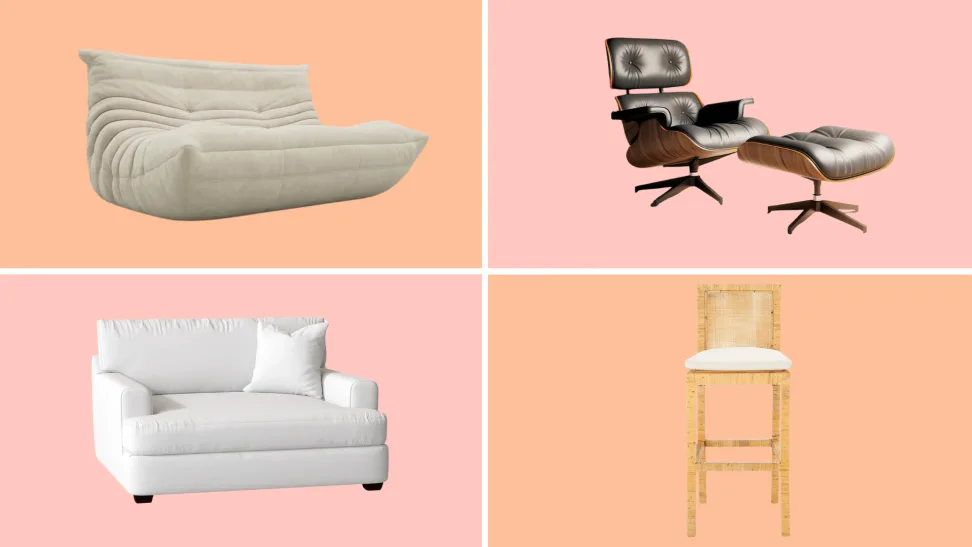
No mid-century modern living room is complete without distinctive accent seating. This is where you can introduce sculptural forms that serve as functional art. The Eames Lounge Chair and Ottoman remain the gold standard, but numerous other options exist at various price points.
Consider adding a shell chair, a ball chair, an egg chair, or a sleek slipper chair upholstered in a bold accent color. Wingback chairs in streamlined mid-century interpretations also work well. Arrange seating to encourage conversation, typically in an L-shape or facing configuration rather than all pieces pushed against walls. This creates intimacy and makes the space feel purposefully designed rather than haphazardly arranged.
Benches serve multiple purposes in mid-century modern living rooms—as coffee table alternatives, extra seating, or display surfaces. Look for tufted leather benches or simple wooden designs with woven seats.
Coffee Tables and Side Tables
The coffee table in a mid-century modern living room should make a statement while remaining functional. Classic options include the Noguchi Coffee Table with its sculptural glass-and-wood design, simple rectangular wooden tables with hairpin legs, or oval designs with tapered wooden legs.
Materials should align with your room’s overall palette—walnut or teak wood tables with natural finishes work universally well, while glass-top tables with wooden or metal bases add visual lightness. Avoid tables that are too heavy, ornate, or feature storage drawers with decorative hardware. The beauty should come from form and material rather than embellishment.
Side tables and end tables should maintain proportional harmony with your seating. Tripod leg tables, nesting tables, and simple cylindrical designs all work well. Consider varying heights and shapes for visual interest, but maintain material consistency throughout the space.
Lighting Design for Mid-Century Modern Spaces
Lighting is absolutely critical in mid-century modern design, often serving as both functional illumination and sculptural art pieces. The era produced some of the most iconic lighting designs in history, and your living room should showcase lighting’s importance through layered, thoughtful placement.
Statement Pendant and Chandelier Options
Overhead lighting should make a bold statement. Consider iconic designs like the Sputnik chandelier with its starburst form and multiple bulbs extending from a central sphere. George Nelson’s Bubble Lamps, with their organic, cloud-like shapes, provide softer ambient light while serving as dramatic focal points. Arco floor lamps with their sweeping arc design can provide overhead-style lighting without ceiling installation.
Pendant lights in geometric shapes—spheres, cylinders, or angular forms—work beautifully over conversation areas. Choose fixtures in brass, chrome, matte black, or wood finishes. Glass shades in white, amber, or clear complement the mid-century aesthetic perfectly.
Floor and Table Lamps
Floor lamps in mid-century modern living rooms should feature distinctive designs with tripod bases, slender pole constructions, or sculptural forms. The arc lamp remains quintessentially mid-century, allowing you to position light over seating areas without ceiling fixtures. Look for adjustable elements that highlight the era’s focus on functionality.
Table lamps should have ceramic bases in textured glazes, wooden tripod bases, or sleek metal constructions. Shades typically feature drum or tapered drum shapes in white linen, fabric, or paper. Avoid ornate bases or fussy shades with patterns or fringe.
Natural Light Maximization
Mid-century modern design emphasizes the connection between interior and exterior spaces, making natural light crucial. Keep window treatments minimal—consider simple rod-pocket curtains in natural linen, vertical blinds, or going bare if privacy allows. The goal is unobstructed views and maximum daylight penetration.
If privacy is necessary, choose sheer curtains that filter light softly or install blinds that can be fully raised during the day. Avoid heavy draperies, valances, or elaborate window treatments that block light and contradict the clean aesthetic.
Wall Treatments and Artwork
Paint Colors and Wall Finishes
Walls in mid-century modern living rooms typically feature flat or matte paint finishes in neutral tones. Warm whites, soft grays, and light beiges create clean backdrops that allow furniture and art to shine. For those seeking more drama, consider painting one accent wall in a deeper tone like charcoal gray, forest green, or even black.
Wood paneling—particularly horizontal boards in walnut or teak—authentically represents the era and adds warmth. If full wall paneling feels too dark, consider a single accent wall or paneling on the lower two-thirds of walls. Avoid distressed or whitewashed wood finishes; the grain should be visible, but the finish clean and contemporary.
Textured wallpaper in geometric patterns can work in moderation, but use restraint. A single accent wall with a subtle geometric or organic pattern in complementary colors adds interest without overwhelming the space.
Art Selection and Display
Artwork in mid-century modern spaces should lean toward abstract expressionism, geometric compositions, or nature-inspired pieces. Think bold graphic prints, abstract paintings with strong color blocks, or black-and-white photography in simple frames.
Popular mid-century artists whose work complements the aesthetic include Alexander Calder, Ellsworth Kelly, Helen Frankenthaler, and Joan Miró. Contemporary artists working in similar styles also work beautifully. The key is avoiding overly traditional landscapes, ornate frames, or busy, cluttered compositions.
Display art simply in thin wooden frames, metal frames, or floating mounts. Gallery walls can work if carefully curated with consistent framing and thoughtful spacing. A single large-scale piece often makes more impact than multiple small pieces scattered across walls.
Mirrors and Wall Decor
Mirrors serve both functional and decorative purposes in mid-century modern living rooms. Sunburst mirrors—one of the era’s most recognizable motifs—work beautifully as statement pieces. Asymmetrical or organically shaped mirrors in wooden frames also complement the aesthetic.
Avoid ornate, baroque-style mirrors or anything with excessive embellishment. Simple round, oval, or geometric mirrors in brass or wooden frames maintain the clean lines essential to the style. Position mirrors strategically to reflect natural light and create the illusion of more space.
Wall-mounted shelving in simple wooden designs provides display opportunities for decorative objects while maintaining the open, uncluttered feeling central to mid-century design philosophy.
Flooring and Area Rugs
Flooring Options
Hardwood flooring in medium to dark tones provides the most authentic foundation for mid-century modern living rooms. Oak, walnut, or teak in natural finishes complement the wooden furniture perfectly. If replacing flooring isn’t feasible, work with existing floors—even lighter woods or quality laminate can support the aesthetic.
Avoid overly distressed, hand-scraped, or pickled finishes that feel more farmhouse or cottage-style. The wood should look clean, with visible grain but without excessive texture or artificial aging.
For those without wood floors, polished concrete offers an industrial-modern alternative that pairs well with mid-century furnishings. Area rugs become even more important on concrete or tile to add warmth and define seating areas.
Selecting the Perfect Area Rug
Area rugs ground the seating arrangement and add essential warmth and texture. Mid-century modern rugs typically feature geometric patterns, abstract designs, or solid colors in natural fibers.
Persian or Oriental rugs, surprisingly, can work in mid-century spaces if they feature geometric patterns and colors that complement your palette—particularly those with orange, rust, or teal tones. Vintage kilim rugs with graphic patterns also pair beautifully with mid-century furnishings.
Contemporary options include rugs with bold geometric patterns, abstract color blocks, or textured solid colors in wool or natural fibers. Jute and sisal rugs work for more casual, organic interpretations. The rug should be large enough that all front furniture legs rest on it, creating a cohesive seating area.
Avoid overly traditional floral patterns, high-pile shag rugs (despite their 1970s association), or anything too ornate or fussy.
Accessories and Decorative Elements
Pottery and Ceramics
Mid-century modern pottery and ceramics serve as beautiful decorative accents that reinforce the era’s aesthetic. Look for pieces with clean, organic shapes in matte or glossy glazes. Popular forms include cylinder vases, sphere-shaped vessels, and asymmetric bowls.
Colors might include the era’s signature turquoise, mustard yellow, olive green, or earth tones. West German pottery, Scandinavian ceramics, and American studio pottery from designers like Eva Zeisel all exemplify the style perfectly.
Display pottery on shelving units, side tables, or in grouped arrangements on the coffee table. Avoid cluttering every surface; instead, select a few statement pieces that add visual interest without overwhelming the clean lines of the space.
Plants and Natural Elements
Bringing nature indoors was central to mid-century modern philosophy, making plants essential accessories. Large statement plants like fiddle leaf figs, rubber plants, or bird of paradise complement the organic forms and connect interior spaces to the natural world.
Display plants in simple ceramic or wooden planters—avoid ornate or decorated pots. Tall floor plants add vertical interest, while smaller succulents or trailing plants work on shelving or side tables. Woven plant baskets in natural fibers also align with the aesthetic.
Beyond plants, incorporate other natural elements like driftwood sculptures, river rocks in glass bowls, or woven baskets for storage and texture.
Books and Vintage Objects
Coffee table books on architecture, design, art, or photography add intellectual depth while serving as decorative elements. Stack them on the coffee table or side tables, choosing books with graphic covers that complement your color scheme.
Vintage objects from the era—bar carts, telephones, radios, cameras, or ashtrays—add authenticity and personality. However, curate carefully to avoid a cluttered, museum-like feeling. Each object should feel purposeful rather than randomly collected.
Window Treatments and Textiles
Curtains and Blinds
Window treatments in mid-century modern spaces should be minimal and functional. Floor-to-ceiling curtains in natural linen or cotton provide softness without heaviness. Keep them simple—rod pocket, grommet, or tab top styles work best. Avoid elaborate pleats, swags, or valances.
Colors should be neutral or coordinate with your wall colors. White, cream, light gray, or natural linen tones maintain the airy, open feeling. If you want a pattern, subtle geometric designs in complementary colors work better than florals or traditional patterns.
Venetian blinds, particularly wooden ones, authentically represent the era. Vertical blinds, while less popular today, are period-appropriate for larger windows or sliding glass doors. Roller shades in natural materials offer a clean, contemporary option.
Throw Pillows and Blankets
Textiles add warmth, texture, and color opportunities in mid-century modern living rooms. Throw pillows in geometric patterns, solid accent colors, or textured fabrics like wool, linen, or leather provide comfort and visual interest.
Mix patterns thoughtfully—geometric prints, stripes, and abstract designs work well together if colors coordinate. A typical approach might include several solid color pillows in complementary tones with one or two patterned pillows as accents.
Throws should be simple and sophisticated. Chunky knit blankets in neutral tones, wool throws in solid colors, or subtle patterns add coziness without clutter. Drape them casually over chair arms or sofa backs rather than folding them with military precision.
Storage Solutions and Organization
Credenzas and Sideboards
Mid-century modern credenzas and sideboards serve as beautiful storage solutions while functioning as display surfaces. These low-profile pieces typically feature clean-lined wooden construction with sliding doors, drawers, or a combination of both.
Place a credenza along one wall to store electronics, books, games, or other living room necessities. The top surface becomes prime real estate for displaying artwork, plants, or decorative objects. Look for pieces in walnut or teak with distinctive details like tapered legs, brass hardware, or contrasting wood inlays.
Shelving Units
Open shelving units allow for storage while maintaining the airy, uncluttered feeling essential to the style. Ladder-style shelves, wall-mounted wooden shelves with metal brackets, or simple bookcases in natural wood finishes all work well.
Style shelves thoughtfully with negative space in mind. Not every inch needs to be filled. Alternate books with decorative objects, leave some shelves partially empty, and vary the heights and sizes of displayed items. This creates visual interest while preventing the cluttered appearance that contradicts mid-century principles.
Hidden Storage
Despite the emphasis on minimalism, real living requires storage. Look for ottomans with hidden storage, coffee tables with drawers or shelves beneath, or credenzas with closed cabinets. The key is keeping clutter concealed while maintaining clean surfaces and open floor space.
Woven baskets in natural materials provide attractive storage for throws, magazines, or toys if you have children. Slide them under console tables or tuck them beside seating for easy access.
Integrating Modern Technology
One challenge in creating mid-century modern living rooms today is integrating contemporary technology without disrupting the aesthetic. Large flat-screen TVs, gaming systems, and various devices must be thoughtfully incorporated.
Television Placement
Consider mounting the TV on the wall with concealed wiring for the cleanest look, or place it on a low-profile media console in natural wood. Many credenzas work beautifully as media consoles, allowing you to close doors over the TV when not in use.
Avoid making the television the room’s focal point. Instead, position seating to allow TV viewing while maintaining conversation orientation. If possible, place the TV on a non-primary wall so it doesn’t dominate the space.
Concealing Cords and Devices
Use cable management systems to hide unsightly cords. Route them behind furniture, use cord covers that match your wall color, or invest in wireless options where possible. Store gaming systems, streaming devices, and other electronics in credenza cabinets with ventilation.
Charging stations for phones and tablets can be tucked inside drawers or behind decorative objects on shelves. The goal is to maintain the clean, uncluttered surfaces that define the aesthetic while accommodating modern living needs.
Bringing It All Together: Room Layouts
Small Living Room Arrangements
In smaller living rooms, mid-century modern design’s emphasis on clean lines and elevated furniture actually helps spaces feel larger. Choose a streamlined sofa in a light color, add one or two accent chairs, and keep the coffee table proportionally appropriate.
Float furniture away from walls to create conversation areas and make the room feel less cramped. Use mirrors strategically to reflect light and create depth. Limit accessories to a few statement pieces rather than numerous small items.
Multifunctional furniture becomes especially important—ottomans that serve as seating and storage, nesting tables that can be separated or grouped as needed, and benches that work as coffee tables or extra seating.
Open Concept Spaces
Mid-century modern design works beautifully in open concept layouts, naturally defining zones while maintaining flow. Use area rugs to delineate the living space from dining or kitchen areas. Position furniture to create implied boundaries without actual walls.
In open spaces, maintain design consistency throughout visible areas. If your living room features mid-century modern style, carry those principles into adjacent spaces through coordinated colors, materials, and furniture styles.
Creating Conversation Areas
Regardless of room size, arrange furniture to encourage conversation and interaction. Face seating pieces toward each other rather than toward the TV or in separate directions. Create intimate groupings with sofas and chairs positioned at 90-degree angles or facing each other across a coffee table.
Leave adequate circulation space—about 30 inches between furniture pieces for walking paths. This maintains the open, breathable feeling central to mid-century modern design philosophy.
Budget-Friendly Approaches
Creating an authentic mid-century modern living room doesn’t require unlimited funds. Strategic shopping and smart compromises allow you to achieve the look at various price points.
Mixing Vintage and Reproduction Pieces
Invest in one or two authentic vintage pieces from estate sales, online marketplaces, or vintage dealers. These might be your coffee table, a statement chair, or a credenza. Fill in with high-quality reproductions or contemporary pieces that honor mid-century principles.
Many retailers now offer affordable mid-century modern-inspired furniture. While not authentic, these pieces capture the essential lines and forms. Focus your budget on pieces you’ll use most—the sofa and primary seating—and economize on accessories and occasional tables.
DIY and Restoration Projects
Vintage mid-century furniture often needs restoration. If you’re handy, refinishing a worn teak credenza or reupholstering a vintage chair can yield authentic pieces at a fraction of retail costs. Online tutorials and YouTube videos make learning these skills accessible.
Simple DIY projects like creating your own artwork, building hairpin leg side tables, or making geometric throw pillows allow you to customize pieces while saving money.
Strategic Splurges and Saves
Splurge on foundational pieces like your sofa and primary seating that you’ll use daily for years. Save on trendy accessories, artwork (printable digital art offers affordable options), and smaller furniture pieces that can be upgraded later.
Shop end-of-season sales, floor model clearances, and online marketplaces for deals. Building a room over time rather than all at once allows you to find better prices and more carefully curate pieces.
Maintaining Authenticity While Adding Personal Style
While understanding mid-century modern principles is important, your living room should ultimately reflect your personality and lifestyle. The most successful spaces blend iconic design elements with personal touches that make the space feel lived-in and loved.
Don’t be afraid to mix in contemporary elements if they maintain similar aesthetic principles. A modern abstract painting might sit beautifully above a vintage credenza. Contemporary lighting with clean lines complements mid-century furniture. The key is maintaining design consistency—clean lines, quality materials, and purposeful placement.
Family photos in simple frames, travel souvenirs that align aesthetically, or modern books on the coffee table add personality without compromising the design integrity. Remember that mid-century modern designers themselves were innovators who embraced the new—your space should feel current and comfortable, not like a museum display.
Common Mistakes to Avoid
Even with good intentions, certain missteps can undermine your mid-century modern living room:
Over-accessorizing: Too many decorative objects, throw pillows, or artwork creates visual chaos that contradicts the style’s fundamental simplicity. Embrace negative space and carefully curate what you display.
Wrong furniture proportions: Overly large, bulky furniture overwhelms the streamlined aesthetic. Choose appropriately scaled pieces with clean silhouettes and elevated bases.
Mismatched wood tones: While some variation is natural, mixing too many wood species or finishes (honey oak, white-washed pine, dark espresso) looks disjointed. Stick to warm-toned woods like walnut and teak for cohesion.
Ignoring functionality: Mid-century modern design emphasized practical living. A beautiful room that doesn’t serve your family’s needs isn’t successful. Balance aesthetics with comfort and usability.
Forgetting the connection to nature: The indoor-outdoor relationship was crucial to mid-century architects and designers. Maximize natural light, include plants, and use organic materials to honor this principle.
Conclusion: Timeless Design for Contemporary Living
The enduring appeal of mid-century modern design lies in its fundamental principles: form follows function, quality over quantity, and honest materials showcased through excellent craftsmanship. These values resonate today perhaps even more strongly than when first articulated, as we seek to create meaningful, uncluttered spaces that support rather than complicate our lives.
A well-executed mid-century modern living room offers sanctuary from contemporary life’s chaos. Clean lines and open spaces provide visual rest. Natural materials and organic forms connect us to the physical world. Thoughtful furniture arrangements encourage genuine interaction and conversation. This isn’t a design that shouts for attention but rather quietly elevates everyday living.
Whether you’re a purist seeking authentic vintage pieces or someone who appreciates the aesthetic while adding contemporary comfort, mid-century modern design offers flexibility within its principles. Start with the fundamentals—clean-lined furniture, natural materials, thoughtful color choices—and build from there. Let each piece earn its place through beauty, function, or both.
The most successful mid-century modern living rooms balance iconic design elements with personal expression, creating spaces that honor the past while serving present-day needs. By understanding the philosophy behind the aesthetic and applying its principles thoughtfully, you’ll create a living room that truly embodies timeless design for today’s world—and tomorrow’s.
In another related article, Modern Living Room Furniture: Complete Buying Guide for 2025