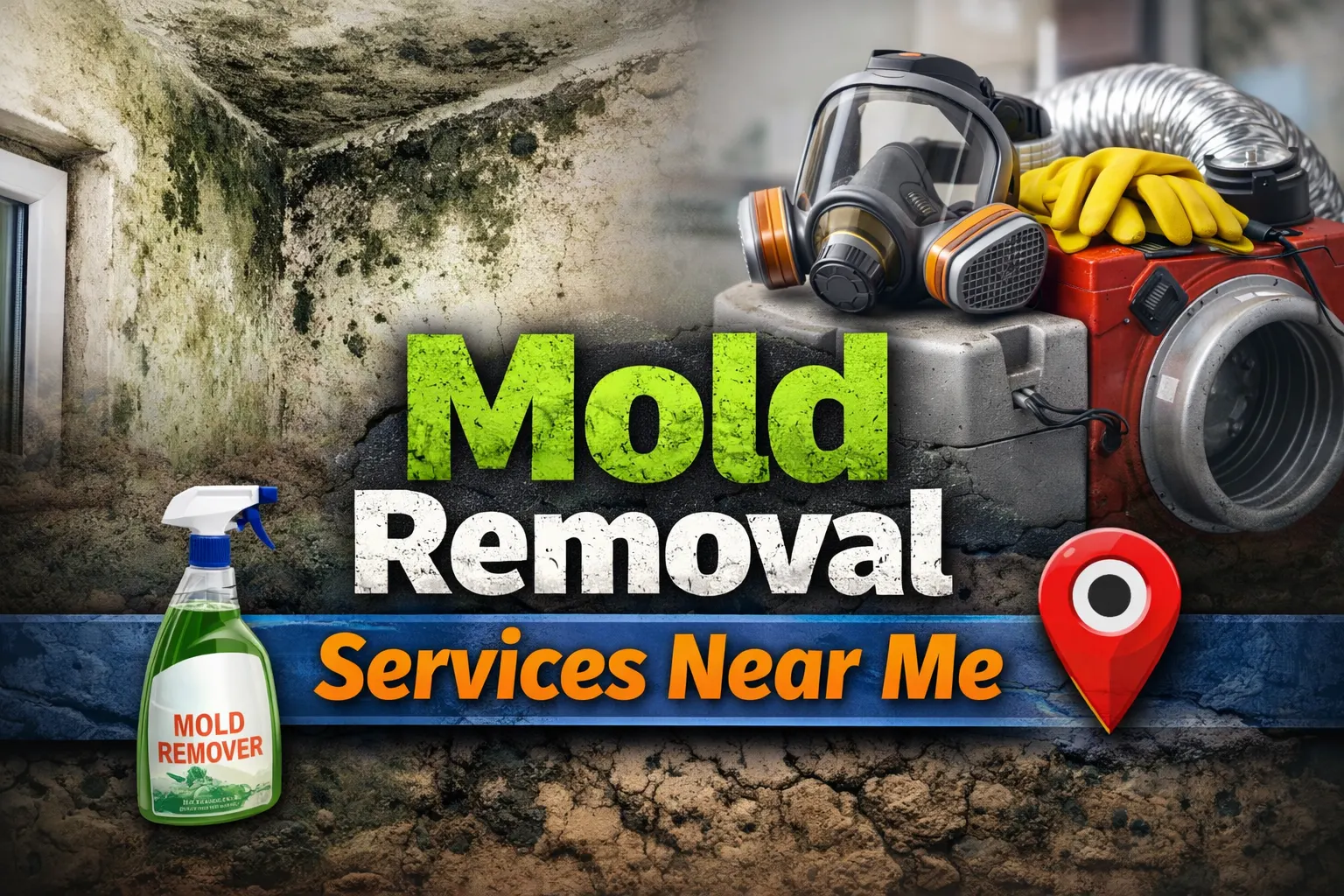
Mold is one of the most insidious problems a homeowner or property manager can face. It hides behind walls, spreads silently through HVAC systems, and can cause serious health consequences long before it becomes visible to the naked eye. When you type “mold removal services near me” into a search bar, it usually means something has already gone wrong — a musty smell you can’t shake, mysterious dark spots on a bathroom ceiling, or a family member whose allergies won’t quit indoors. This comprehensive guide will walk you through everything you need to know: how to recognize the warning signs of mold growth, what professional remediation actually involves, what it costs, and how to find the right local experts to handle the job safely and thoroughly.
What Is Mold and Why Is It Dangerous?
Mold is a type of fungus that reproduces through microscopic spores. These spores travel through the air both indoors and outdoors and thrive wherever moisture, warmth, and organic material come together. In a home or commercial building, that combination occurs more often than most people realize — in attics after roof leaks, inside wall cavities after plumbing failures, beneath bathroom tiles, in crawl spaces, and even inside air conditioning ducts.
The danger of mold extends on two fronts: structural and biological. On the structural side, mold actively consumes organic building materials like wood, drywall, and insulation. Left unchecked, it degrades load-bearing components, ruins flooring, and can compromise the structural integrity of a property. On the biological side, mold releases spores and mycotoxins into the indoor air. For healthy adults, short-term exposure may cause minor irritation. But for children, the elderly, pregnant women, and anyone with asthma, allergies, or a compromised immune system, exposure to mold can trigger severe respiratory issues, chronic sinus infections, skin rashes, neurological symptoms, and in rare cases involving toxic black mold (Stachybotrys chartarum), far more serious health consequences.
The U.S. Environmental Protection Agency (EPA) recommends that any mold growth larger than 10 square feet (roughly 3 feet by 3 feet) should be handled by a professional. Smaller patches may be addressable with DIY cleaning products, but if the source of moisture has not been found and corrected, the mold will always come back.
Common Signs That You Need Mold Removal Services
One of the most challenging aspects of mold is that it does not always announce itself visually. Knowing the full spectrum of warning signs is critical for catching a problem before it escalates.
Visible Mold Growth
The most obvious sign is seeing mold directly. It can appear in a wide variety of colors — black, green, gray, white, or even orange — and in textures ranging from fuzzy and powdery to slimy and wet. Common locations include grout lines in bathrooms and kitchens, the underside of sinks, the corners of window frames, around toilets, and in basement walls. Do not assume that what looks like dirt, soot, or staining is anything other than mold until it has been tested.
Persistent Musty Odor
A damp, earthy, or musty smell is a hallmark sign of active mold growth, even when you cannot see anything. Mold produces microbial volatile organic compounds (MVOCs) as metabolic byproducts, and these compounds create that distinctive, unpleasant odor. If a room or section of your home consistently smells musty regardless of how much you clean and ventilate it, mold is almost certainly hiding somewhere — likely inside a wall, under flooring, or above a ceiling tile.
Recent Water Damage or Flooding
Any time a structure experiences water intrusion — from a burst pipe, roof leak, flooding event, sewer backup, or even sustained high humidity — mold can begin growing within 24 to 48 hours. If you have experienced any water damage event, you should treat mold growth as a near-certainty and schedule a professional inspection rather than waiting for visible signs to emerge.
Health Symptoms That Improve When You Leave
This is one of the most telling indicators that your indoor environment is compromised. If you or members of your household experience persistent coughing, sneezing, itchy or watery eyes, sore throat, headaches, fatigue, or worsening asthma symptoms that reliably improve when you spend time away from home (at work, on vacation, or at a family member’s house), mold exposure is a serious possibility. Children and pets may also show symptoms before adults do, as they tend to spend more time indoors and closer to floor level, where mold spores accumulate.
Discoloration on Walls, Ceilings, or Floors
Water staining — those yellowish-brown rings on ceilings or bubbling paint on walls — is a reliable precursor to mold growth. The staining itself indicates that moisture has penetrated the surface; mold is almost certainly following. Warped or buckled hardwood floors, peeling wallpaper, and soft or spongy drywall are additional physical signs of moisture intrusion that create prime mold-growing conditions.
Condensation and Humidity Issues
Consistently high indoor humidity (above 60%) creates an environment where mold can thrive even without a specific water leak. Homes in humid climates, poorly ventilated bathrooms, basements without dehumidifiers, and single-pane windows that generate regular condensation are all high-risk zones. If you notice water droplets forming on windows, pipes, or walls regularly, it is time to address both the humidity issue and inspect for mold.
Types of Mold Commonly Found in Homes
Not all mold is created equal, and understanding the most common species helps explain why professional testing and remediation are so important.
Stachybotrys Chartarum (Black Mold): This is the mold most people fear, and for good reason. Often referred to simply as “black mold” or “toxic mold,” it produces mycotoxins that can cause serious health effects with prolonged exposure. It typically grows on materials with high cellulose content (drywall, wood, paper) that have been wet for an extended period. Its signature appearance is a slimy, greenish-black texture.
Aspergillus: One of the most common indoor molds, Aspergillus comes in over 180 species. Many are relatively harmless to healthy individuals, but some species produce aflatoxins and can cause serious lung infections (aspergillosis) in immunocompromised individuals.
Cladosporium: This mold is typically olive-green or brown and tends to grow on fabrics, wood surfaces, and inside HVAC systems. It is one of the most prevalent outdoor molds and can easily travel indoors.
Penicillium: Recognizable by its blue-green coloring, Penicillium spreads rapidly and is often found on water-damaged materials, insulation, and carpeting. It is known to cause allergic reactions and respiratory issues.
Alternaria: Commonly found in showers, bathtubs, and under sinks, Alternaria is a widespread allergenic mold that can trigger asthma attacks and upper respiratory symptoms.
Because different mold species require different treatment approaches and carry different health risks, professional mold testing — using air sampling, surface swabs, or bulk material samples — is an important step before remediation begins.
The Professional Mold Removal Process: Step by Step
When you hire a licensed mold remediation company, you should expect a thorough, multi-step process rather than a simple spray-and-wipe job. Here is what a proper professional remediation looks like from start to finish.
Step 1: Initial Inspection and Assessment
A certified mold inspector visits your property and conducts a comprehensive visual inspection and moisture assessment using specialized equipment — thermal imaging cameras, moisture meters, and hygrometers. This step identifies visible mold, detects hidden moisture pockets inside walls and ceilings, and pinpoints the source of water intrusion. The inspector will typically collect air and surface samples that are sent to a certified laboratory for analysis to identify the mold species and concentration levels.
Step 2: Mold Testing and Lab Results
Laboratory results take anywhere from 24 hours to a week, depending on the testing method used. The results determine the extent of the contamination, the species present, and the appropriate remediation approach. This step also provides baseline data for post-remediation verification testing.
Step 3: Containment
Before any removal begins, the affected area must be contained to prevent mold spores from spreading to clean areas of the building during the remediation process. Professionals use heavy polyethylene sheeting to seal off doorways, vents, and other openings. Negative air pressure machines (air scrubbers equipped with HEPA filters) are set up to ensure that air flows from clean areas into the containment zone and is then filtered before being exhausted — not the other way around.
Step 4: Air Filtration
High-efficiency air scrubbers and HEPA vacuums run continuously throughout the remediation process to capture airborne spores. This is a critical step that significantly reduces the risk of cross-contamination and ensures that workers are not breathing in concentrated mold particles.
Step 5: Removal of Mold-Infested Materials
Any porous materials that are heavily contaminated — drywall, insulation, carpeting, subflooring, ceiling tiles, wood framing — are typically removed and disposed of rather than cleaned. Mold penetrates deeply into porous surfaces, and cleaning alone cannot guarantee complete elimination. All removed materials are sealed in heavy-duty plastic bags before being transported out of the containment zone.
Non-porous surfaces (concrete, metal, glass, tile) can often be cleaned and treated in place using EPA-registered antimicrobial solutions and HEPA vacuuming. Wire brushing or sanding may be used for wood surfaces with surface-level mold, followed by antimicrobial treatment and, in some cases, sealant application.
Step 6: Addressing the Moisture Source
This step is absolutely non-negotiable. If the underlying moisture problem is not corrected, mold will return regardless of how thorough the remediation was. Whether it requires a plumber to fix a leaking pipe, a roofer to repair damaged flashing, a waterproofing contractor to seal a foundation, or simply the installation of a dehumidifier and improved ventilation, remediation professionals will identify what needs to be fixed and may coordinate with other specialists.
Step 7: Cleaning and Sanitization
After physical removal, the entire contained area is thoroughly cleaned with HEPA vacuums, antimicrobial sprays, and in some cases, dry ice blasting or media blasting for hard surfaces and wood framing. Fogging with antimicrobial agents may also be used to treat areas that are difficult to reach by hand.
Step 8: Restoration and Repairs
Once all mold has been removed and the area has been treated, the restoration phase begins. This involves replacing the drywall, insulation, flooring, and other materials that were removed. Many full-service mold remediation companies handle both the remediation and restoration phases, while others subcontract the rebuild work to licensed contractors.
Step 9: Post-Remediation Verification (Clearance Testing)
After remediation is complete, independent post-remediation verification testing — ideally performed by a third-party inspector not affiliated with the remediation company — should be conducted. This involves collecting air and surface samples to confirm that mold levels are back within normal parameters. Reputable companies will not consider the job done until clearance testing passes.
How Much Does Mold Removal Cost?
Cost is one of the most pressing concerns for homeowners dealing with mold, and the honest answer is that the range is wide because the variables are significant. Here is a realistic breakdown.
Factors That Influence Cost
The size of the affected area is the primary driver of cost. Small, localized patches (a bathroom ceiling or under a single sink) are dramatically less expensive to remediate than mold that has spread throughout an attic, basement, or multiple rooms. The type of mold matters as well — toxic mold like Stachybotrys requires more rigorous containment and disposal protocols. The location of the mold also affects cost: mold inside an HVAC system or within wall cavities requires more labor to access than surface mold. The extent of structural damage and whether significant materials need to be removed and replaced will also impact the final number significantly.
Typical Cost Ranges
For a small, contained area — a single bathroom, under a sink, or a portion of a basement wall — professional remediation typically costs between $500 and $1,500. Mid-range jobs covering a larger area, such as a full basement, crawl space, or multiple rooms, generally fall between $2,000 and $6,000. Large-scale remediation involving attic mold (a very common and often expensive scenario), significant structural damage, or toxic mold throughout multiple areas of a home can run anywhere from $6,000 to $30,000 or more.
Attic mold remediation deserves special mention because it is one of the most frequently encountered and expensive scenarios. Attics are vulnerable to mold due to poor ventilation, roof leaks, and improperly vented bathroom and kitchen exhaust fans. Full attic remediation can cost between $5,000 and $15,000, depending on the size and severity.
HVAC mold remediation — cleaning mold from ductwork, air handlers, and coils — typically costs between $700 and $3,000, depending on the size of the system and the extent of contamination.
Additional Costs to Budget For
Mold testing and inspection before remediation typically costs between $300 and $700, depending on the number of samples collected and the laboratory fees. Post-remediation clearance testing adds another $200 to $500. If structural repairs and restoration work are needed after remediation, these costs are separate from the remediation itself and can add several thousand dollars,s depending on the scope of work.
Does Homeowner’s Insurance Cover Mold Removal?
Insurance coverage for mold varies significantly by policy and circumstance. Mold resulting directly from a covered sudden and accidental event — such as a burst pipe or appliance leak — is more likely to be covered than mold resulting from long-term neglect, deferred maintenance, or flooding (which typically requires separate flood insurance). Review your policy carefully, document everything with photographs, and file a claim as soon as possible if you believe the mold resulted from a covered event.
How to Find Reliable Mold Removal Services Near You
Choosing the right mold remediation company is as important as deciding to seek professional help in the first place. The mold remediation industry is unfortunately not without bad actors who cut corners, overstate problems to inflate their quotes, or perform superficial work that leaves mold behind.
Look for Industry Certifications
The most widely recognized certifications in the mold remediation industry come from the Institute of Inspection, Cleaning, and Restoration Certification (IICRC), which offers the Applied Microbial Remediation Technician (AMRT) certification, and the Indoor Air Quality Association (IAQA). The National Organization of Remediators and Mold Inspectors (NORMI) and the American Industrial Hygiene Association (AIHA) also offer relevant credentials. Ask any company you are considering whether their technicians hold current certifications and whether the company is licensed and insured in your state.
Separate Inspection and Remediation
Ideally, the company performing your initial mold inspection and testing should be different from the company performing the remediation. This separation eliminates the obvious conflict of interest that arises when the same company both diagnoses the problem and profits from fixing it. Many reputable industrial hygienists and certified mold inspectors operate independently and can provide an unbiased assessment.
Get Multiple Estimates
For any remediation job, obtain at least three written estimates. Be wary of quotes that are dramatically lower than others — this can indicate that corners will be cut, proper containment will not be set up, or that the company is not accounting for all necessary work. Similarly, a quote that is dramatically higher than others warrants a detailed explanation of what additional services are included. Ask each company to walk you through their protocol step by step.
Ask the Right Questions
When interviewing potential remediation companies, ask how they will contain the affected area, what equipment they use, whether they will address the moisture source, what their disposal protocol is for contaminated materials, whether they carry liability insurance and workers’ compensation coverage, what their warranty or guarantee looks like, and whether they will provide or arrange for post-remediation clearance testing. A reputable company will answer all of these questions confidently and in writing.
Check Reviews and References
Look for companies with substantial positive reviews on Google, the Better Business Bureau, Yelp, and platforms like Angi or HomeAdvisor. Pay attention not just to star ratings but to the specifics of what reviewers describe — detailed accounts of professional containment, clear communication, and thorough follow-up testing are positive indicators. Ask the company for references from past clients with similar jobs, and actually call them.
Verify Licensing and Insurance
Licensing requirements for mold remediation companies vary by state. Some states have strict licensing requirements, while others have very little regulation. Regardless of your state’s requirements, verify that the company carries general liability insurance and workers’ compensation coverage. Ask to see certificates of insurance before any work begins. This protects you from financial liability if a worker is injured on your property or if damage occurs during the remediation process.
DIY Mold Removal: When It Is and Isn’t Appropriate
For very small patches of surface mold in non-porous areas — a few spots of mildew on bathroom tile or caulk — a DIY approach with appropriate protective gear (N95 respirator, gloves, safety glasses) and an EPA-registered fungicidal cleaner may be appropriate. The critical caveat is that the moisture source must be identified and corrected first, or the mold will return.
However, DIY removal is not appropriate in several key situations: when mold covers more than 10 square feet, when mold is inside HVAC systems, when mold is hidden inside walls or under flooring, when the mold is or may be a toxic species, when household members have health conditions that make them particularly vulnerable to mold exposure, or when there has been significant water damage. In all of these cases, professional remediation is not just recommended — it is essential for both health and safety.
Preventing Mold After Remediation
Once remediation is complete, maintaining a mold-free environment requires ongoing attention to moisture control. Keep indoor humidity between 30% and 50% using dehumidifiers where necessary. Ensure all bathroom and kitchen exhaust fans vent to the exterior of the building. Fix leaks promptly — any water intrusion should be dried out within 24 to 48 hours. Ensure adequate ventilation in attics and crawl spaces. Inspect your roof, gutters, and foundation drainage annually. Consider using mold-resistant drywall and paint in bathrooms, basements, and other high-moisture areas during renovation projects.
Regular inspections of plumbing fixtures, appliances, and the building envelope will catch moisture problems early before they create conditions for mold growth. If your home has a history of mold issues, scheduling annual air quality testing with a certified industrial hygienist is a worthwhile investment.
Questions to Ask Before Hiring a Mold Remediation Company
To make it easy to evaluate your options, here is a comprehensive list of questions to ask when vetting local mold removal services:
Are your technicians IICRC-certified in Applied Microbial Remediation? Are you licensed in this state for mold remediation, and can you show proof? Do you carry general liability and workers’ compensation insurance? Will you set up full physical containment before beginning work? What type of air filtration equipment will you use? How will you dispose of contaminated materials? Will you address or help identify the moisture source? Do you offer a written guarantee or warranty on your work? Will you provide post-remediation clearance testing, or should I arrange for an independent test? Can you provide references from similar jobs? What does your written estimate include, and are there situations where the final cost might be higher?
Final Thoughts: Don’t Wait on Mold
Mold is not a problem that gets better with time. Every day that mold continues to grow, it spreads further, causes more structural damage, and releases more spores into the air that your family breathes. The discomfort and expense of addressing mold professionally is always less than the cost — financial, structural, and health-related — of allowing it to continue unchecked.
If you have seen signs of mold, smelled that telltale musty odor, or experienced water damage of any kind, take action now. Search for certified mold removal services in your area, request inspections from multiple reputable companies, verify their credentials and insurance, and get the problem diagnosed properly before choosing a course of action.
Living in a mold-free home is not a luxury — it is a fundamental component of a safe and healthy environment for you and everyone who lives with you. With the right local experts on your side, a thorough remediation process, and proactive moisture management going forward, you can address even significant mold problems and enjoy a healthy, clean indoor environment for years to come.