Designing a teenager’s bedroom is one of the most exciting and challenging home décor projects you’ll undertake. Unlike children’s rooms with their whimsical themes or adult spaces with established aesthetics, teen bedrooms exist in a unique transitional space. They need to be functional study areas, comfortable retreats, social hubs, and personal sanctuaries all at once—while reflecting a rapidly evolving personality and taste.
The teenage years are formative, and a bedroom that truly works for a teen does more than just look good. It supports their independence, nurtures their creativity, accommodates their changing needs, and provides a space they’re proud to call their own. This comprehensive guide will walk you through creating a teen bedroom that balances style, functionality, and personal expression, resulting in a space your teenager will love spending time in.
Understanding the Teen Bedroom Challenge
Before diving into design ideas, it’s crucial to understand what makes teen bedrooms different from other spaces in your home. Teenagers are navigating the complex journey from childhood to adulthood, and their bedroom needs reflect this transition.
The Multi-Functional Requirement
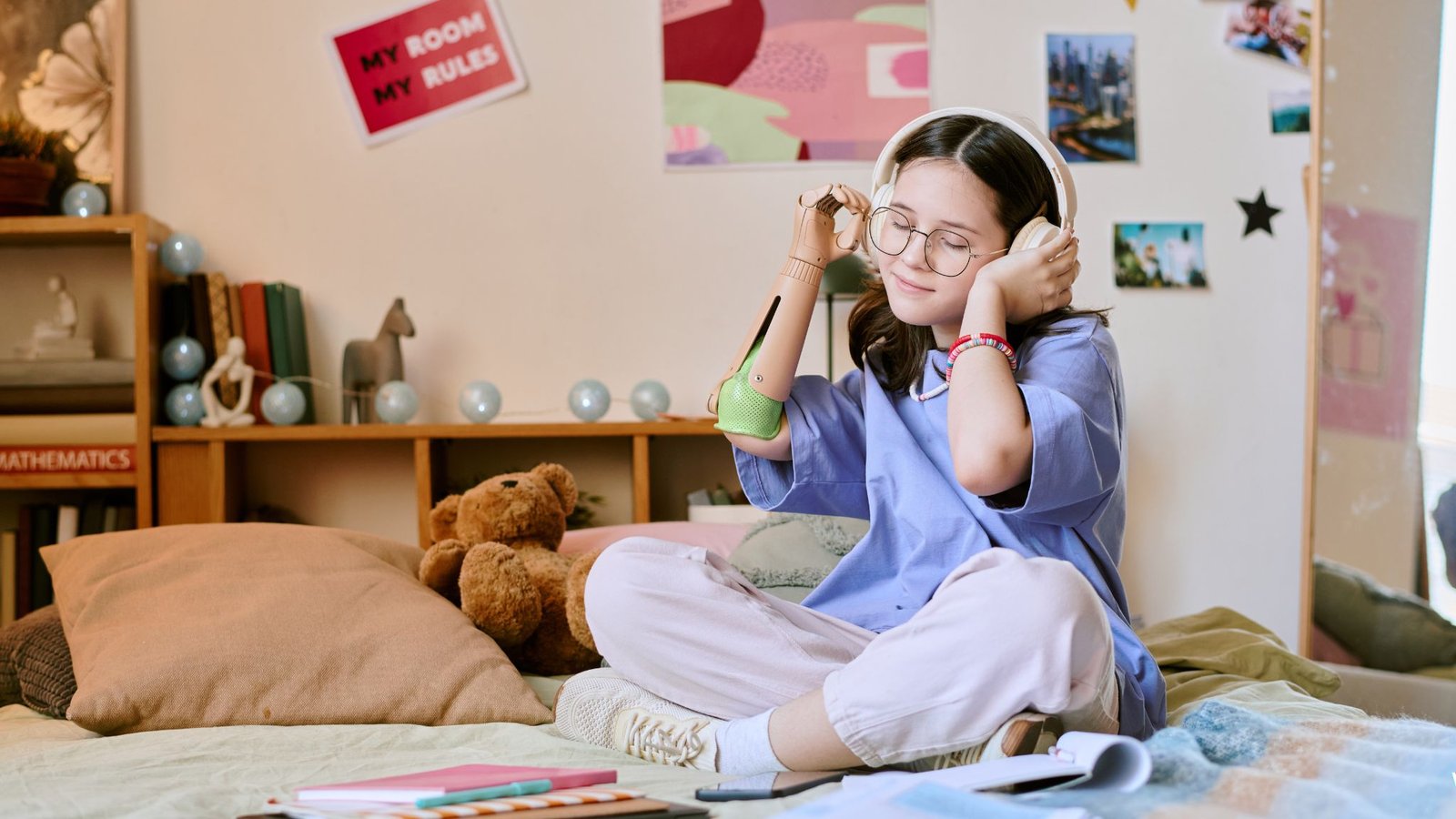
A teen bedroom isn’t just for sleeping. It’s their study hall, art studio, gaming lounge, music room, workout space, and social headquarters. The average teenager spends a significant portion of their time in their bedroom, using it for homework, hobbies, relaxation, socializing with friends, and pursuing personal interests. This means the space must accommodate multiple activities simultaneously without feeling cramped or chaotic.
The Identity Expression Factor
For teenagers, personal space is intimately tied to identity development. Their bedroom is often the first space they have real control over, and it becomes a canvas for self-expression. The posters on the walls, the colors they choose, and the way they arrange their belongings all communicate who they are—or who they’re trying to become. Respecting this need for self-expression while maintaining practical functionality is the key to a successful teen bedroom design.
The Longevity Consideration
Teenagers’ tastes change rapidly. The music they love today might embarrass them tomorrow, and their favorite color can shift seasonally. When designing a teen bedroom, you want to create a space that can evolve with them without requiring complete overhauls. This means investing in adaptable foundations while keeping easily changeable elements flexible and affordable.
Collaborating with Your Teen: The Design Process
The most important step in creating a successful teen bedroom is involving your teenager in every decision. This isn’t just about getting their buy-in—it’s about teaching them decision-making skills, budget awareness, and the value of planning.
Start with a Conversation
Sit down with your teen and discuss their vision for the space. Ask open-ended questions about how they want to feel in their room, what activities are most important to them, and what frustrates them about their current setup. Look through design magazines, browse Pinterest boards together, and create a shared inspiration folder. This collaborative research phase helps you understand their aesthetic preferences while identifying practical needs.
Set Clear Parameters
While involving your teen in decisions, establish clear boundaries from the start. Discuss the budget realistically, explaining what’s possible and what requires compromise. Set guidelines about permanent changes, like wall paint versus temporary options like removable wallpaper. Agree on a timeline for the project and break it into manageable phases if needed.
Create a Mood Board
Before making any purchases, create a physical or digital mood board together. This visual planning tool helps ensure all elements work cohesively and gives your teen a sense of ownership over the final design. Include paint samples, fabric swatches, furniture inspiration photos, and color palettes. This step often reveals whether choices will actually work together before you’ve committed financially.
Color Psychology and Selection
Color profoundly impacts mood, energy levels, and even sleep quality. Choosing the right color scheme for a teen bedroom requires balancing their preferences with practical considerations.
Moving Beyond Primary Colors
Many teens want to distance themselves from the bright primary colors of childhood. They’re often drawn to more sophisticated palettes featuring deeper hues, muted tones, or dramatic contrasts. Popular choices include sage green, dusty rose, navy blue, charcoal gray, terracotta, and warm neutrals. These colors feel more mature while remaining age-appropriate and versatile.
The Accent Wall Approach
If your teen wants a bold color but you’re concerned about overwhelming the space, compromise with an accent wall. Paint or wallpaper one wall in their desired bold color while keeping other walls neutral. This approach provides visual interest without making the room feel smaller or too intense. The accent wall also becomes a focal point for personalization through posters, photos, or artwork.
Neutral Foundations with Colorful Accessories
Perhaps the most flexible approach is creating a neutral base with white, beige, gray, or soft cream walls and adding personality through colorful accessories, bedding, artwork, and décor. This strategy allows for easy updates as your teen’s tastes evolve. They can completely transform the room’s look by simply changing throw pillows, curtains, or wall art without repainting.
Consider Lighting Interaction
Colors appear different under various lighting conditions. Test paint samples on the wall and observe them throughout the day in natural light, evening light, and with artificial lighting. Cool-toned colors can feel sterile under harsh lighting, while warm tones might seem too intense. The right lighting can make or break your color choices.
The Psychology Behind Colors
Understanding color psychology can help guide choices. Blue promotes calmness and focus, making it excellent for study areas. Green creates a balanced, restful atmosphere and connects to nature. Gray offers sophistication and versatility but should be balanced with warmer accents to avoid feeling cold. Purple stimulates creativity and imagination. Yellow energizes but can be overwhelming in large doses. Red increases energy and passion but may interfere with sleep if used extensively.
Furniture Selection: Function Meets Style
Choosing the right furniture is critical for creating a functional teen bedroom. Every piece should earn its place through utility, comfort, or aesthetic value.
The Bed as a Foundation
The bed is the room’s largest furniture piece and sets the tone for the entire space. For teenagers, platform beds with built-in storage drawers underneath maximize space efficiency in smaller rooms. Loft beds elevate sleeping areas, freeing floor space below for desks, seating, or storage—ideal for compact bedrooms. Standard bed frames with headboards offer classic appeal and can grow with your teen into young adulthood.
Consider bed size carefully. While a twin bed saves space, many teenagers appreciate the extra room of a full or queen-size bed. If space and budget allow, investing in a larger bed provides comfort and longevity, as it won’t need replacing when they move to their own apartment later.
The headboard presents an opportunity for personalization. Upholstered headboards add softness and can be customized in their favorite color or pattern. Wooden headboards with shelving provide functional display space for books, plants, or décor. DIY headboards made from reclaimed wood, fabric panels, or even tapestries offer unique, budget-friendly options.
Desk and Study Area Essentials
With schoolwork increasingly digital and teenagers spending considerable time studying, a proper desk setup is non-negotiable. The desk should be sturdy enough to support a computer or laptop, textbooks, and supplies. Aim for a surface at least 48 inches wide to accommodate a laptop, notebook, and desk lamp comfortably.
Ergonomic desk chairs are worth the investment. Teenagers spend hours studying, gaming, or creating content, and poor posture during these formative years can lead to lasting issues. Look for adjustable chairs with lumbar support that can grow with them. Gaming chairs, despite their bold aesthetics, often provide excellent ergonomic support and appeal to teen sensibilities.
Task lighting is crucial for late-night study sessions. Adjustable desk lamps with LED bulbs provide focused light without disturbing the room’s ambient lighting. Some teens prefer desk lamps with USB charging ports and wireless charging pads built in—modern features that eliminate cord clutter.
Storage Solutions That Actually Work
Teenagers are notorious for accumulating stuff and struggling with organization. The key is making storage so convenient that using it becomes the path of least resistance.
Closet Organization: Maximize closet space with double-hanging rods, shelf dividers, shoe organizers, and storage bins. Transparent bins make it easy to see contents without digging through everything. Label everything clearly, and involve your teen in deciding what goes where—systems they create are systems they’ll actually use.
Under-Bed Storage: Rolling drawers or bins that slide under the bed utilize otherwise wasted space. These work perfectly for out-of-season clothing, extra bedding, or items used less frequently.
Vertical Storage: When floor space is limited, build upward. Tall bookcases, wall-mounted shelves, and hanging organizers make use of vertical space. Floating shelves add storage without the visual weight of traditional bookcases and can be arranged in creative patterns for added visual interest.
Multi-Functional Furniture: Storage ottomans serve as seating, footrests, and hidden storage. Bed frames with built-in drawers eliminate the need for separate dressers. Desks with integrated shelving keep supplies organized and accessible.
Seating Beyond the Bed
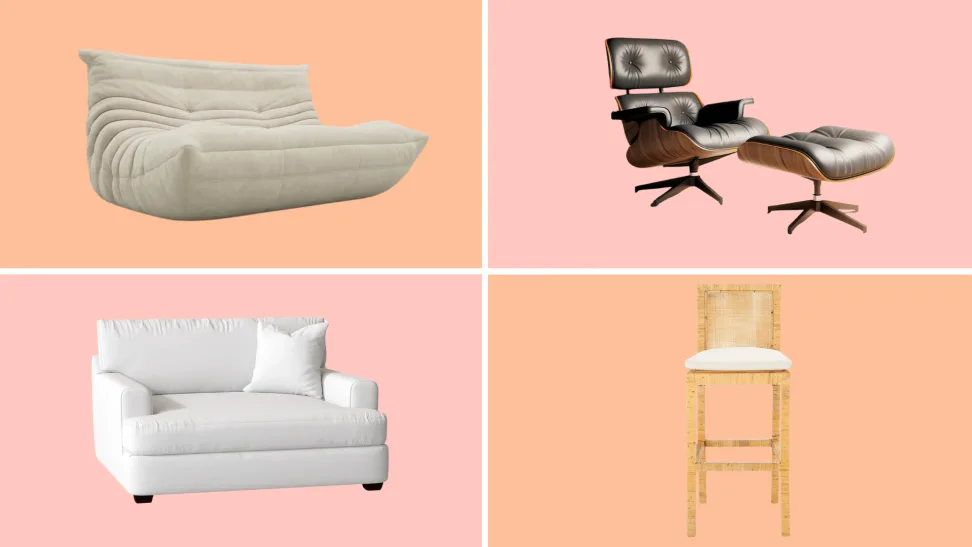
Teenagers need comfortable seating options for hanging out with friends, reading, or relaxing. Bean bag chairs offer affordable, casual seating that appeals to teens and can be easily moved. Floor cushions or poufs provide flexible seating that can be stacked when not in use. A small loveseat or futon converts living space into an occasional guest sleeping space. Hanging chairs or hammock chairs create a unique, Instagram-worthy spot that teenagers particularly love.
READ ALSO: 8 Best Kids Desks for Homeschooling in 2025: Top Picks for Comfort and Creativity
Creating Zones Within the Space
Even in smaller bedrooms, creating distinct zones for different activities helps the space function better and feel more organized.
The Sleep Zone
The sleeping area should promote rest. Position the bed away from the door if possible, creating a sense of privacy and separation from the room’s other functions. Use bedding in calming colors and invest in quality pillows and mattresses—teenagers need adequate sleep for healthy development, and comfort matters.
Consider blackout curtains or blinds for better sleep quality, especially if your teen is sensitive to light or sleeps irregular hours. A small bedside table with a lamp, phone charging station, and space for a water glass completes the sleep zone essentials.
The Study Zone
Designate a specific area for homework and studying, ideally near a window for natural light. Keep this zone distraction-free with minimal décor and organized supplies. A pegboard or bulletin board above the desk keeps important dates, assignment lists, and inspirational quotes visible without cluttering the work surface.
Stock the study zone with essentials: pen holders, paper trays, a desk calendar, and adequate storage for textbooks and notebooks. Cable management solutions keep charging cords and computer cables organized and out of the way.
The Creative/Hobby Zone
Reserve space for your teen’s specific interests, whether that’s art, music, gaming, or crafts. For artists, this might mean an easel, a supply cart, and good lighting. Musicians need instrument storage and perhaps sound-dampening elements. Gamers want a comfortable setup with proper monitor positioning and cable management.
This personalized zone reinforces that their room supports their passions and interests, not just basic functions like sleeping and studying.
The Social Zone
If space allows, create an area conducive to hanging out with friends. This might be floor cushions around a low table, a reading nook with oversized pillows, or simply ensuring there’s seating beyond the bed. This zone acknowledges that healthy socialization is part of teenage development and gives them space to host friends comfortably.
Wall Décor and Personalization
Walls offer the most significant opportunity for personal expression without major investment or permanent changes.
Gallery Wall Creation
Gallery walls allow teenagers to showcase their personality through photos, artwork, posters, and meaningful objects. Use matching frames for a cohesive look or mix frame styles for an eclectic vibe. Include their own artwork, photographs they’ve taken, concert posters, inspirational quotes, and pictures with friends.
The beauty of gallery walls is their flexibility—pieces can be added, removed, or rearranged as interests change. Use removable hanging strips to avoid wall damage, especially important for renters or if you want to preserve walls for future paint jobs.
Removable Wallpaper and Wall Decals
Temporary wallpaper has revolutionized teen room design. Available in countless patterns from geometric designs to botanical prints to abstract art, peel-and-stick wallpaper allows dramatic transformations without permanent commitment. It’s renter-friendly, relatively affordable, and can be removed or changed as tastes evolve.
Wall decals offer another removable option for adding visual interest. From inspirational quotes to world maps to abstract shapes, decals provide impact without the coverage of wallpaper.
Functional Wall Décor
Combine aesthetics with utility through functional wall décor. Pegboards can be painted in fun colors and used to organize jewelry, accessories, or art supplies while looking intentional and stylish. Corkboards or fabric bulletin boards keep important papers, photos, and mementos visible. Macramé wall hangings add texture and bohemian flair while serving as a backdrop for hanging plants or fairy lights.
Mirror Magic
Mirrors are essential in teen bedrooms, not just for checking appearances but for making spaces feel larger and brighter. A full-length mirror is practical for outfit checks before school. Decorative mirrors in interesting shapes or frames add personality while reflecting light around the room. Consider grouping several smaller mirrors for a unique focal point.
Lighting Layers for Functionality and Ambiance
Proper lighting transforms a room from merely functional to genuinely inviting. Teenagers need multiple lighting types for different activities and moods.
Ambient Lighting
Overhead lighting provides general illumination for the entire room. If stuck with a basic ceiling fixture, consider updating it to something more stylish that reflects your teen’s taste. Flush-mount lights work well in rooms with lower ceilings, while pendant lights or chandeliers add drama in spaces with higher ceilings.
Dimmer switches offer tremendous value, allowing your teen to adjust lighting levels based on activity and time of day. Bright light for cleaning or getting ready, medium light for homework, and soft light for relaxing or winding down before sleep.
Task Lighting
Beyond the essential desk lamp, task lighting serves specific purposes throughout the room. Reading lights near comfortable seating areas support leisure reading. Clip-on lights attach to headboards or shelves for targeted illumination without taking up surface space. Under-shelf lighting can highlight display areas or provide subtle illumination along the floor for nighttime navigation.
Accent and Mood Lighting
This is where personality really shines. String lights or fairy lights create a magical ambiance and are affordable and easy to install. LED strip lights behind furniture, under beds, or along ceiling edges provide customizable color options that many teens love—they can change colors based on mood or activity.
Neon signs, whether vintage or LED versions, make bold statements and serve as both lighting and art. Salt lamps offer soft, warm glows while purportedly providing health benefits. Lava lamps bring retro appeal and gentle, hypnotic movement.
Smart bulbs allow teenagers to control lighting through their phones, setting schedules, adjusting colors, and creating scenes for different activities. While slightly more expensive upfront, smart lighting systems appeal to tech-savvy teens and offer impressive flexibility.
Textile and Fabric Choices
Soft furnishings dramatically impact a room’s comfort, style, and personality while remaining relatively easy and affordable to change.
Bedding as a Statement Piece
The bed covers significant visual real estate, making bedding choices highly impactful. Encourage your teen to select bedding that reflects their style—whether that’s minimalist solid colors, bold patterns, bohemian prints, or themed designs related to their interests.
Layering bedding adds depth and luxury: start with fitted and flat sheets, add a comforter or duvet, layer with a throw blanket at the foot of the bed, and pile on decorative pillows. This layered approach looks sophisticated and allows texture and pattern mixing.
Consider having multiple bedding sets for seasonal changes or mood shifts. Lighter, brighter linens for warm months and cozier, richer tones for cooler months keep the room feeling fresh throughout the year.
Curtains and Window Treatments
Window treatments impact privacy, light control, and aesthetics. Heavy curtains in dark colors provide excellent light blocking for sleeping in or creating a movie-watching ambiance. Sheer curtains allow natural light while maintaining privacy. Layering sheers with heavier curtains offers maximum flexibility.
Roman shades provide a sleeker, more tailored look than traditional curtains. Blackout roller shades handle light control while taking up minimal visual space. Some teenagers prefer the modern look of simple blinds, which can be enhanced with curtains when more softness is desired.
Rugs for Comfort and Definition
Area rugs add warmth, soften acoustics, and define zones within the bedroom. A large rug under the bed creates a cozy landing spot for bare feet in the morning. Smaller rugs define study areas or create comfortable spots for floor seating.
Choose rugs that reflect your teen’s style while being practical. Low-pile rugs are easier to keep clean than shag varieties. Machine-washable rugs offer convenience for inevitable spills. Consider layering smaller rugs over larger ones for visual interest and flexibility.
Technology Integration
Today’s teenagers are digital natives, and their bedrooms need to support their technological lifestyle while promoting healthy habits.
Charging Station Setup
Create a dedicated charging station away from the bed to discourage late-night phone use that interferes with sleep. Multi-device charging stations keep phones, tablets, smartwatches, and earbuds organized in one location. Some teenagers respond well to “phone parking” zones with visible docking stations that remind them to disconnect before bed.
Cable Management
Nothing ruins a carefully designed room like tangled cables everywhere. Use cable clips, sleeves, or boxes to corral cords along desks and entertainment areas. Wireless charging pads eliminate some cables. Furniture with integrated cable management, like desks with built-in grommets, keeps technology organized.
Sound Considerations
Music is central to many teenagers’ lives. Bluetooth speakers provide quality sound without the complexity of wired systems. Some teens prefer smart speakers that integrate with their devices. For musical teenagers who play instruments, consider acoustic treatments like foam panels or heavy curtains to minimize sound transfer to other parts of the house.
Gaming Setup
For gamers, proper setup is crucial. Monitor arms free up desk space and allow ergonomic positioning. Comfortable gaming chairs support long sessions. Consider room lighting that reduces screen glare while providing adequate illumination. Cable management is especially important with gaming setups, given the multiple peripherals involved.
Small Space Solutions
Not all teenagers have large bedrooms, but even compact spaces can be functional and stylish with smart planning.
Vertical Space Maximization
When floor space is limited, building upward is essential. Loft beds free up entire floor areas beneath them. Tall, narrow bookcases and wardrobes provide storage without consuming much floor space. Wall-mounted desks fold up when not in use. Floating shelves at varying heights create storage and display space without the bulk of traditional furniture.
Multi-Functional Furniture
Every piece should serve multiple purposes in small rooms. Ottomans with storage, beds with built-in drawers, desks with integrated shelving, and folding furniture maximize utility without overcrowding the space.
Light Colors and Mirrors
Lighter wall colors make small rooms feel more spacious. Mirrors strategically placed opposite windows reflect light and create the illusion of more space. Limiting pattern use to small doses prevents visual overwhelm in compact areas.
Decluttering and Organization
In small spaces, organization isn’t optional—it’s essential. Regular decluttering sessions help manage accumulation. Clear containers let you see contents, while stackable options maximize vertical storage in closets. Over-door organizers add storage without taking up floor or wall space.
Sustainability and Budget Considerations
Creating a beautiful teen bedroom doesn’t require breaking the bank or harming the environment.
Thrifting and Upcycling
Thrift stores, estate sales, and online marketplaces offer quality furniture at fraction-of-retail prices. Teach your teen to see potential in pieces that need minor updates. A fresh coat of paint transforms dated furniture. New hardware modernizes old dressers and desks. Reupholstering chairs or adding new cushions breathes life into tired pieces.
Upcycling projects make great parent-teen bonding activities while teaching valuable skills. Transform wooden pallets into shelving. Convert vintage suitcases into nightstands. Turn old shutters into room dividers or headboards.
DIY Projects
Many teen bedroom décor elements are perfect DIY projects. Creating wall art, painting furniture, sewing throw pillows, or building simple shelves saves money while adding personal touches. The time invested together creates memories, and teenagers often cherish handmade elements more than store-bought items because of the effort involved.
Phased Implementation
You don’t need to complete the entire room at once. Prioritize essentials first—bed, desk, basic storage—then add decorative elements and upgrades over time. This phased approach spreads costs over months while allowing your teen’s style to develop. They gain more clarity about what they truly want as they live in the space.
Quality Investment Pieces
While working within budget constraints, identify which pieces warrant spending more for quality. The mattress and desk chair directly impact health and deserve investment. A solid wood dresser will outlast particleboard options by decades. These foundational pieces justify higher costs through longevity and functionality.
Creating a Space That Grows With Them
The ideal teen bedroom evolves from middle school through high school and even transitions reasonably well into young adult spaces.
Timeless Foundations
Invest in neutral foundational elements—bed frames, dressers, desks—in classic styles and quality materials that won’t feel childish as they mature. These pieces can move with them to college dorms or first apartments.
Easily Updated Elements
Reserve trend-forward or bold choices for easily changeable items. Bedding, wall art, accessories, and accent pieces should reflect current interests while recognizing that these will evolve. This approach allows regular refreshing without major overhauls.
Flexible Layouts
Arrange furniture to allow reconfiguration as needs change. Avoid built-ins that can’t adapt to different uses. Modular storage systems grow and change with evolving requirements.
Conclusion: A Room That Honors Their Journey
Creating the perfect teen bedroom is ultimately about crafting a space that honors where your teenager is right now while supporting where they’re headed. It’s about balancing their need for independence with guidance, their creative expression with practical functionality, and their current tastes with future flexibility.
The most successful teen bedrooms share common elements: they involve the teenager meaningfully in design decisions, they accommodate multiple functions without feeling chaotic, they provide opportunities for personal expression, and they balance current trends with lasting foundations.
Remember that this process teaches valuable life skills. Working within budgets, making compromises, planning projects, and seeing ideas through to completion all prepare teenagers for independent living. The bedroom you create together becomes more than just a space—it becomes a confidence builder, a creativity incubator, and a tangible reminder that their thoughts, feelings, and preferences matter.
Take your time with this project. Listen to your teenager’s ideas, even when they seem impractical. Find compromises that honor both their vision and your practical concerns. Most importantly, enjoy this opportunity to connect with your teen through a shared creative project. These years pass quickly, and one day you’ll look back fondly on the time you spent together designing a space that was uniquely, perfectly theirs.
The effort you invest now in creating a functional, personalized teen bedroom pays dividends in their well-being, academic success, and sense of self. It tells them their space matters, their comfort matters, and their identity matters. That message resonates far beyond the bedroom walls.