
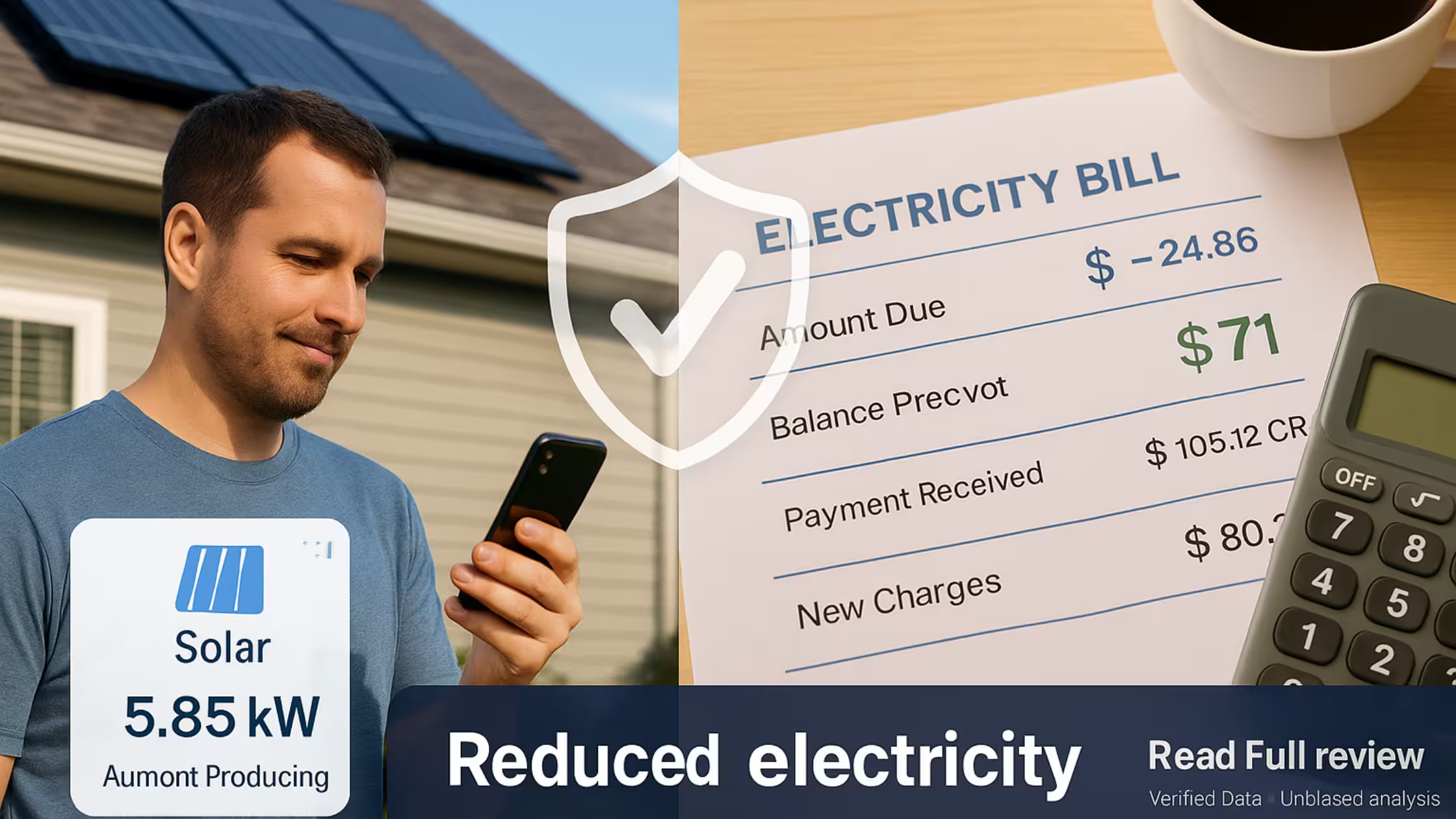
Your solar panels are up and running; now what? Most homeowners save 50-70% on their electricity bills in the first year, but understanding what happens month by month helps you maximize those savings and avoid surprises.
The First Month: Two Bills, Real Savings
You’ll receive two bills if you financed your system (loan, lease, or PPA): one from your solar finance partner and one from your utility. If you paid cash, you’ll only get a utility bill.
Why you still have a utility bill: Your home stays connected to the grid for nighttime power and cloudy days when your panels aren’t producing enough. But don’t worry; your total energy costs typically drop significantly, even with both bills.
Your first bill might look confusing. It takes 1-2 billing cycles for your utility to update your account as a solar customer. During this transition, your bill may not fully reflect your solar production yet. Give it time.
Months 2-6: Seasonal Production Patterns
Solar production varies by season, which is completely normal:
- Spring & Summer: Longer days mean higher production, often generating more electricity than you need
- Fall & Winter: Shorter days reduce output, so you’ll rely more on the grid
The key: Look at savings over a full 12-month cycle, not month by month. Annual production balances out, and savings grow over time.
Net Metering: Your Secret Weapon
When your system produces more electricity than you use, that excess power flows back to the grid. Through net metering, you earn credits from your utility company that automatically offset future grid usage, essentially banking solar energy for cloudy days or nighttime.
These credits can dramatically reduce or even eliminate your grid electricity charges during low-production months.
Your First Annual Statement (Month 12)
Around your 12-month mark, you’ll receive an annual True-Up statement showing:
- Total electricity you consumed above your solar production
- Credits for any surplus energy you generated
- Your actual savings for the year
Most homeowners see first-year savings of $800-$1,400+, depending on system size, location, and energy usage. Many discover they saved even more than expected.
Maintenance: Easier Than You Think
Solar panels require almost no maintenance. Rain naturally cleans them, and if needed, a quick spray with a garden hose from the ground works perfectly.
What to monitor:
- Check your system’s production app regularly to track performance
- Watch for unusual drops in output (could indicate shading or debris issues)
- Schedule a professional check-up if anything seems off
Tax Benefits (Don’t Miss This)
If you purchased your system outright or with a loan, you likely qualify for the federal solar tax credit worth up to 30% of your system cost. That’s thousands back in your pocket. Consult with a tax professional to claim it when you file.
Making the Most of Year One
Simple habits that boost savings:
- Run dishwashers and washing machines during peak sunlight hours
- Charge electric vehicles during the day when possible
- Track your production vs. usage patterns to optimize consumption
Stay informed: You’ll receive a Welcome Kit from your utility about 2 weeks after interconnection, plus periodic updates throughout your first year explaining what to expect.
Ready to Start Your Solar Journey?
Get 3 Free Solar Quotes Today and see your personalized savings estimate in minutes. Compare local providers, system sizes, and financing options to find the perfect fit for your home.
Most homeowners who go solar wish they’d done it sooner. With predictable energy costs, protection from rising utility rates, and decades of free electricity ahead, your solar system pays for itself while increasing your home’s value.
Questions about your solar options? Connect with certified local installers who’ll design a system around your energy needs, roof layout, and long-term goals; no pressure, just honest answers.
Affiliate Disclosure: This article may contain affiliate links to solar providers and services. We only recommend companies with proven track records of quality installation and customer support.
In another related article, The Hidden Benefits of Going Solar (Beyond Energy Savings)